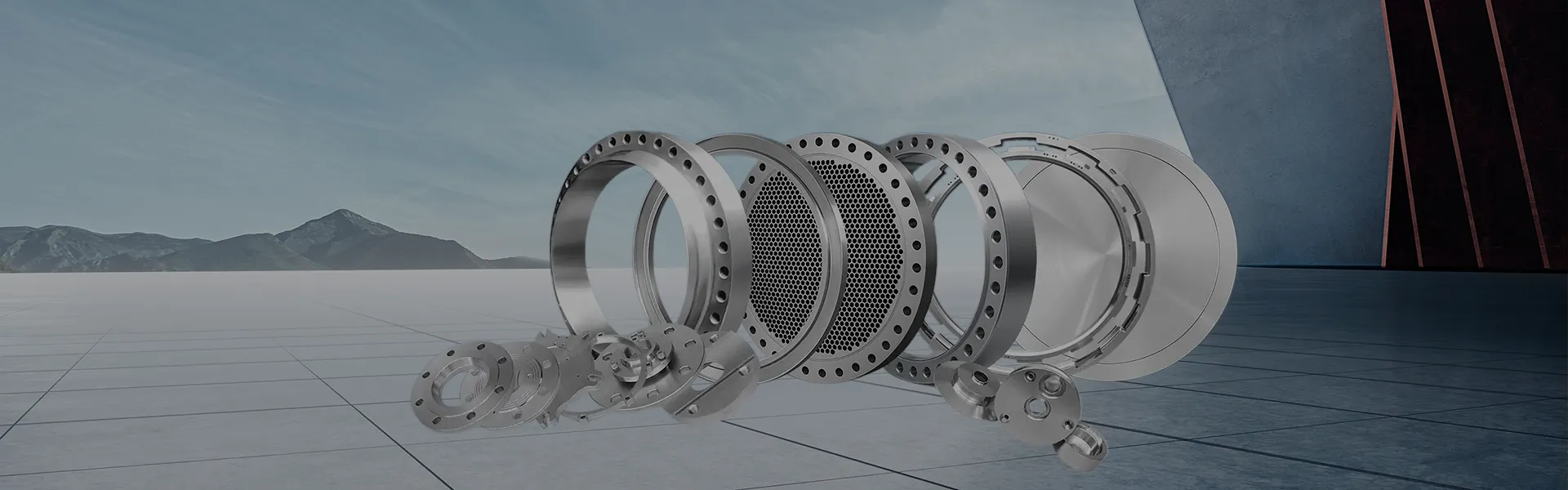
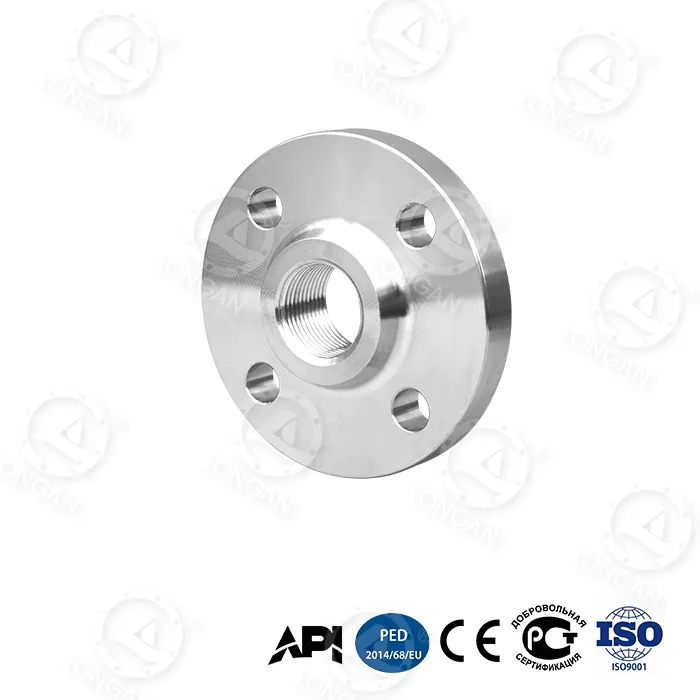
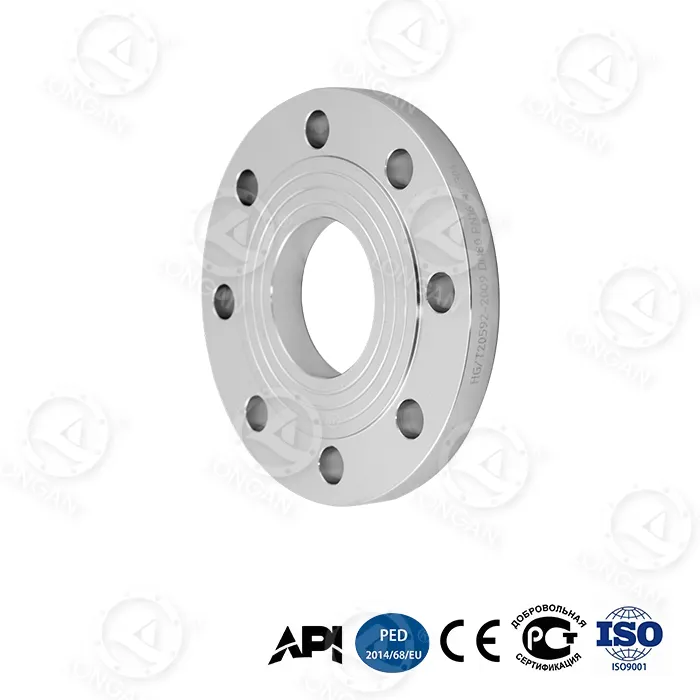
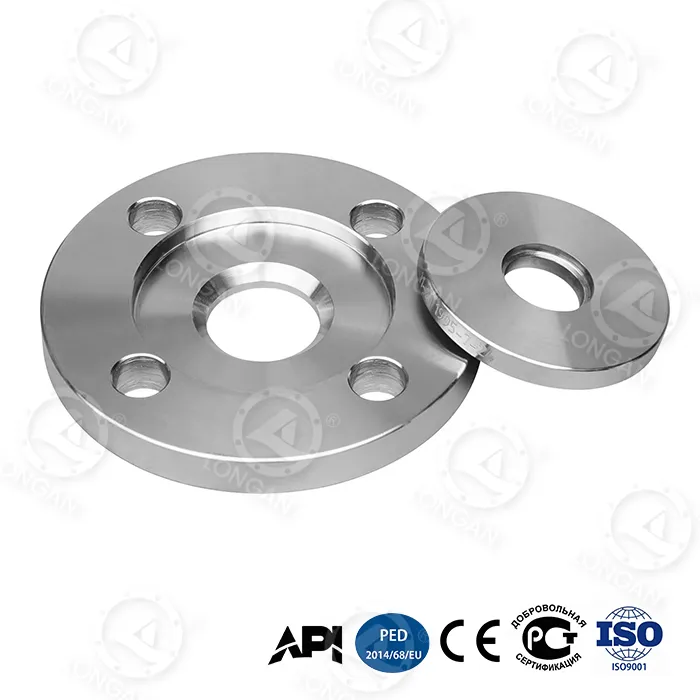
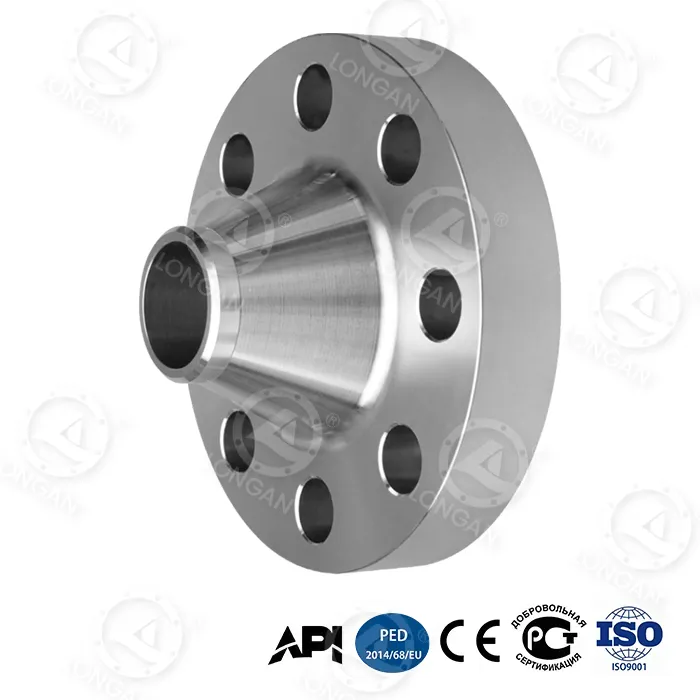
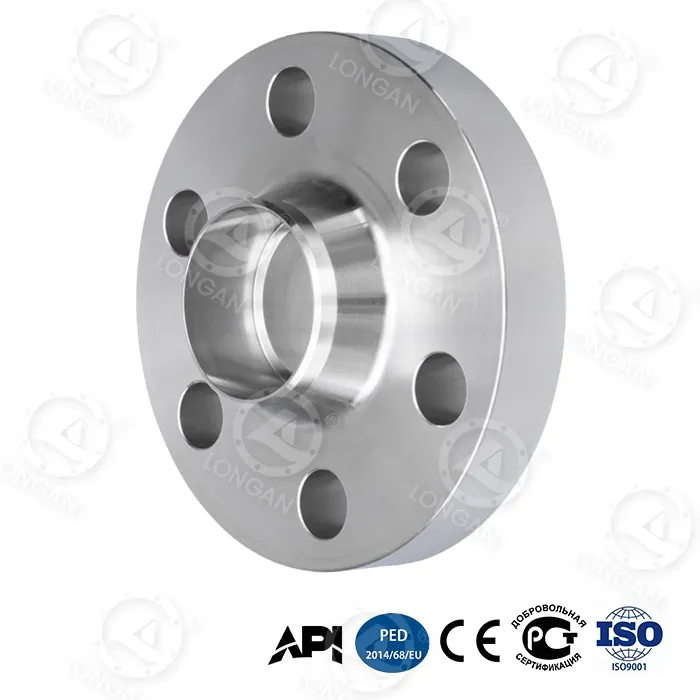
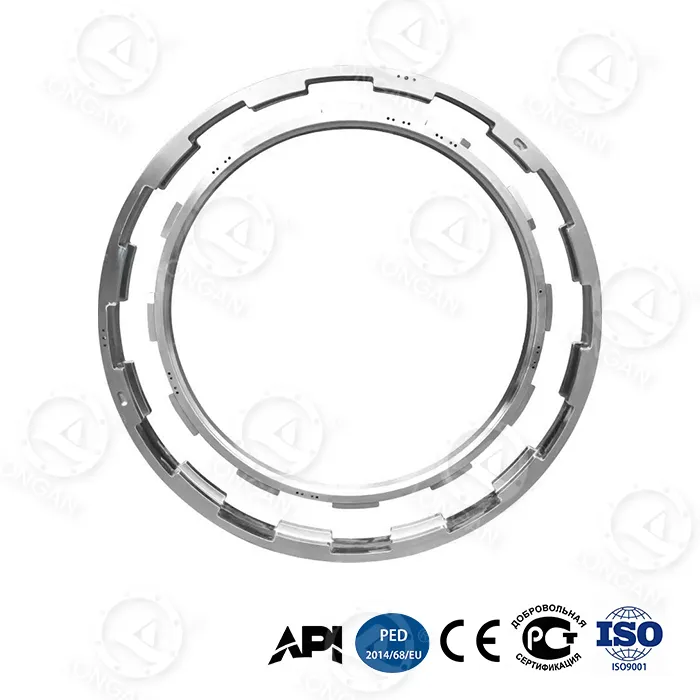
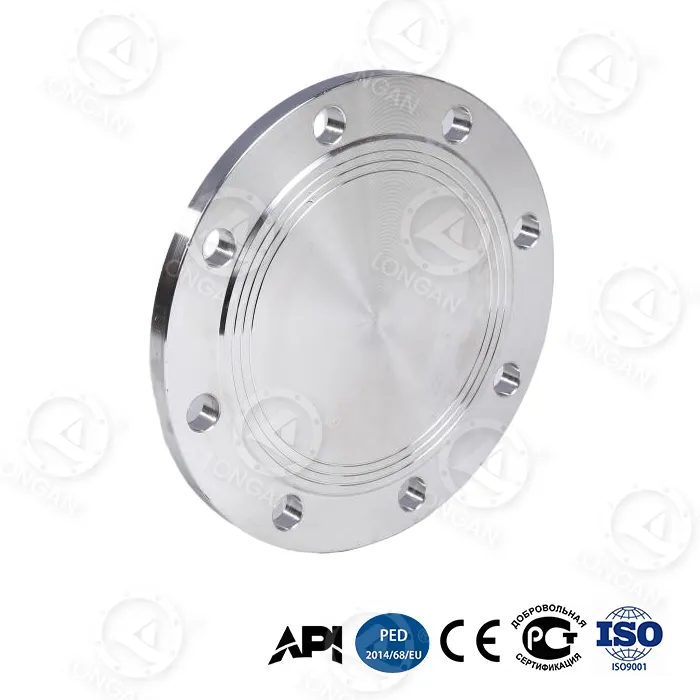
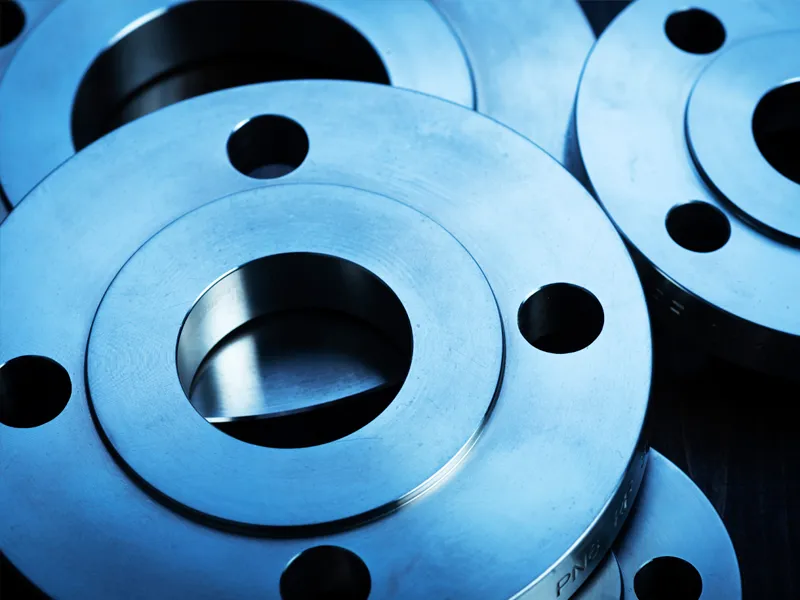
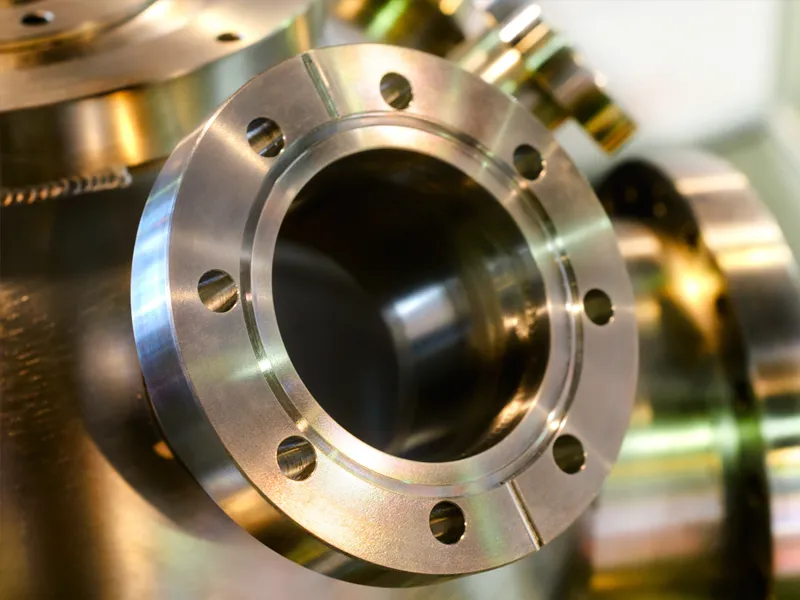
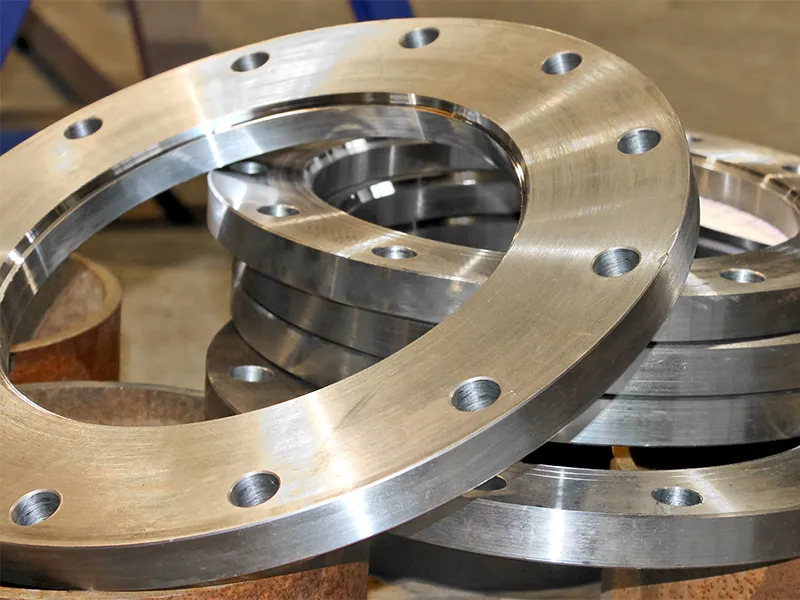
304 Neck Butt Welding Flange is suitable for non-extreme corrosion scenarios such as water treatment, HVAC, and food equipment. The product provides corrosion resistance in oxidizing environments through 18% chromium + 8% nickel components, complies with ASME B16.5 standards, and covers pressures from Class 150 to 900. Verified by a 500-hour salt spray test, the life of carbon steel flanges is increased by 400%, and the cost is 30 to 35% lower than 316 stainless steel. ASTM A182 material certification and dimensional accuracy reports are also provided.
Bolt hole center circle deviation ±0.8mm MSS SP-44
Applicable scenarios
Recommended scenarios Tolerable media Prohibited scenarios Alternative solutions
Low-pressure compressed air Dry air (dew point <-40°C) Sulfur-containing humid air Nickel-plated carbon steel
Food equipment Dairy products, juice (pH>4.5) Chlorine-containing disinfectants 316L flange
Municipal water supply Fresh water, drinking water Seawater/high chlorine water (>50ppm Cl⁻) 316 flange
HVAC Hot water (<80°C), steam Hydrochloric acid/sulfuric acid (pH<4) Hastelloy alloy
Why choose 304 Neck Butt Welding Flange?
1. Lower cost
Material Unit price (benchmark) Service life Comprehensive cost (10 years)
316 flange 2.3x 15 years + 1.2x
304 Neck Butt Welding Flange 1.6x 10 years + 1.0x
Carbon steel flange 1.0x 2 years (Rust leakage) 2.8x
2. Structural design advantages
Sealing surface accuracy: RF surface roughness of 304 stainless steel neck welding flange is 125-250μin Ra, ensuring the reliability of gasket sealing.
Tapered neck transition: Reduce stress concentration factor by 40% and extend weld fatigue life.
3. Basic corrosion resistance
Salt spray test: No red rust for 500 hours
Chromium-nickel protective layer: Cr content ≥18% forms a passivation film to resist corrosion from water, steam, and weak acid (pH>4.5).
Limitation description: Not suitable for environments containing chloride ions>50ppm (such as seawater), and 316 needs to be upgraded at this time.
FAQ
Q1: What is the cost difference with 316 flange?
Answer: The price of 304 Neck Butt Welding Flange is 30~35% lower under the same specifications (due to the difference in nickel and molybdenum content). If the medium does not contain chloride ions/acids, it is more economical to choose 304.
Q2: Can 304 be used for outdoor pipes?
Answer: In low humidity (<60%) RH) It can be used for a long time in a salt-free environment; anti-corrosion coating is required in coastal/industrial areas, otherwise pitting may occur within 2-3 years.
We use cookies to offer you a better browsing experience, analyze site traffic and personalize content. By using this site, you agree to our use of cookies.
Privacy Policy