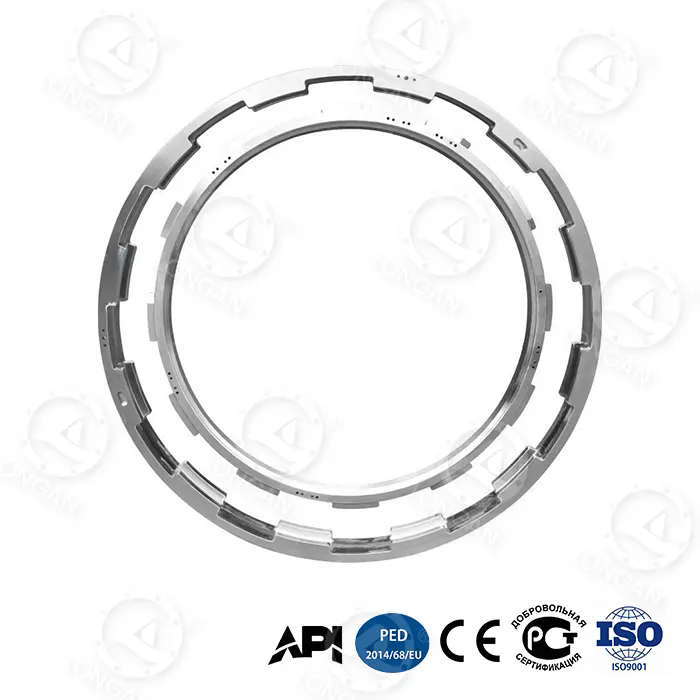
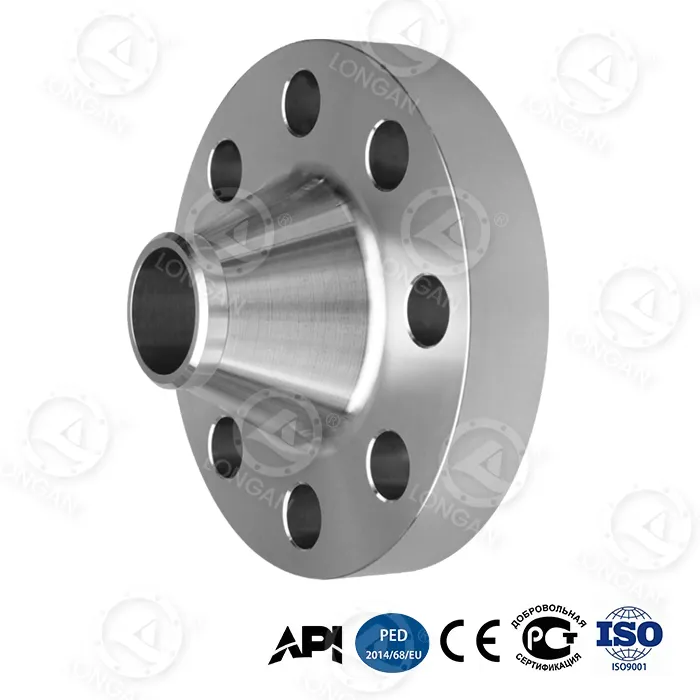
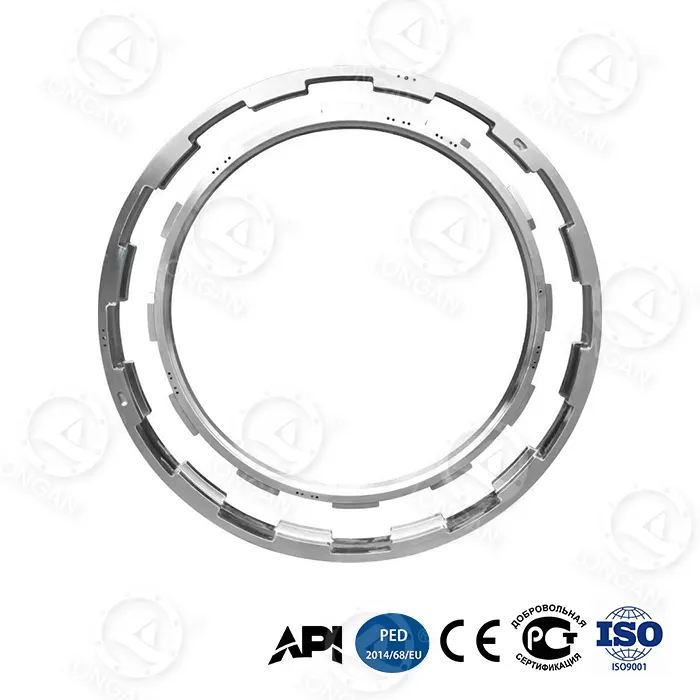
Long Weld Neck Flanges (LWN Flanges) are specially engineered components designed for high-pressure, high-temperature, and critical service piping systems. Featuring an extended tapered hub, these flanges provide superior stress distribution, improved fatigue resistance, and enhanced structural integrity compared to standard weld neck flanges.
Big size flanges play a critical role in large-diameter and high-pressure pipeline systems used in industries such as oil & gas, power generation, petrochemical processing, and offshore engineering. Selecting the right big size flange involves evaluating multiple factors, including flange type, material, pressure rating, manufacturing standards, and installation conditions.
A Stainless Steel Non-Standard Flange is a custom-engineered flange designed to meet specific dimensional, material, or performance requirements that standard flanges cannot satisfy. In modern industries where piping systems face extreme pressure, temperature, or corrosion challenges, non-standard flanges play a critical role in ensuring safety, efficiency, and long-term reliability.
This article explores the essential role of welding flanges in pipe systems, highlighting their importance in industrial applications. We will discuss their structure, types, applications, and the benefits they offer in terms of safety, efficiency, and cost-effectiveness. Moreover, we will provide a detailed guide on selecting the right welding flange for specific needs.
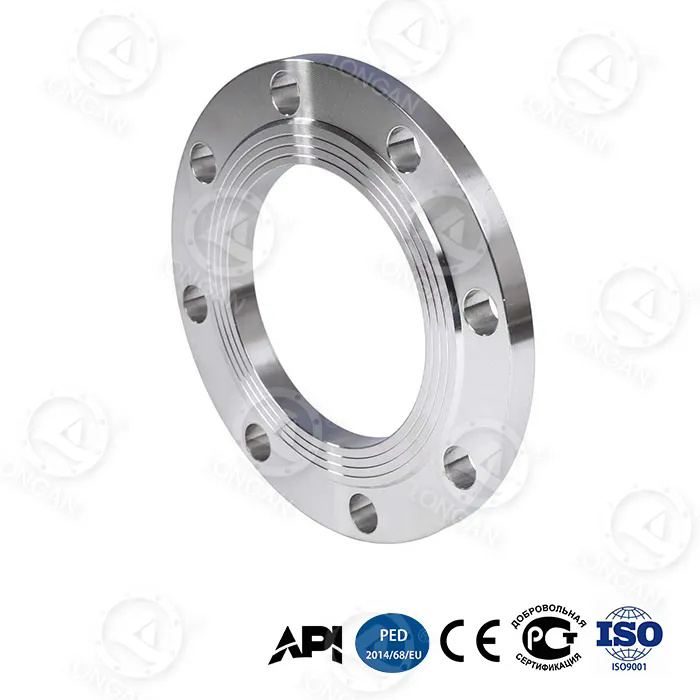
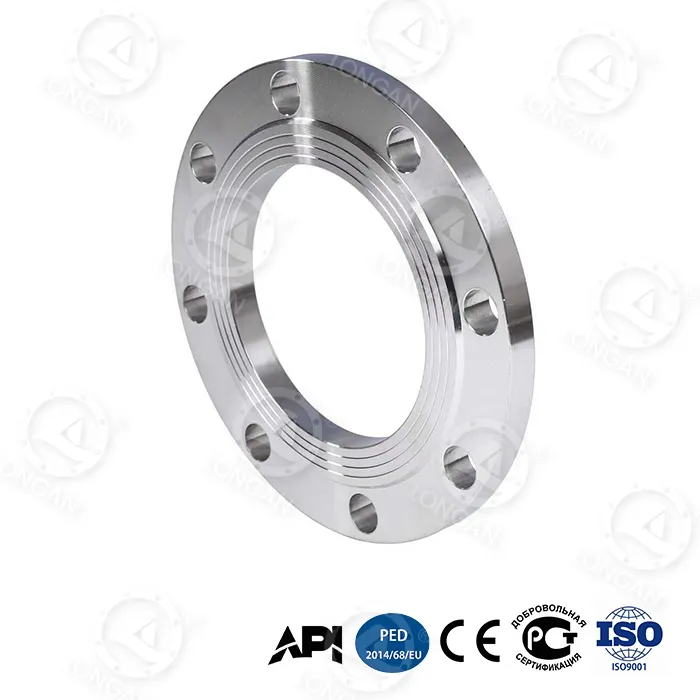
A Flat Flange is one of the most widely used flange types in industrial piping systems, known for its simple structure, cost efficiency, and reliable sealing performance in low to medium pressure applications. In this article, we explore what a flat flange is, how it works, its key advantages, materials, standards, applications, and how to choose the right flat flange for your project.
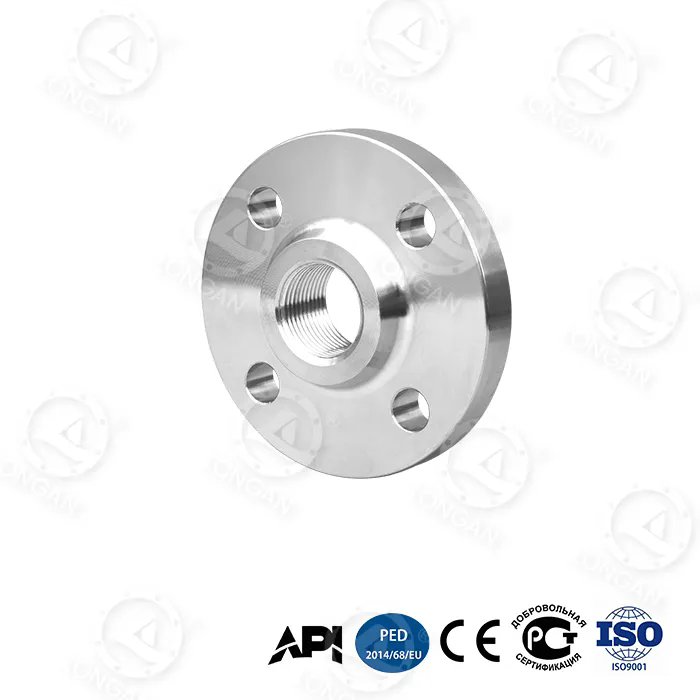
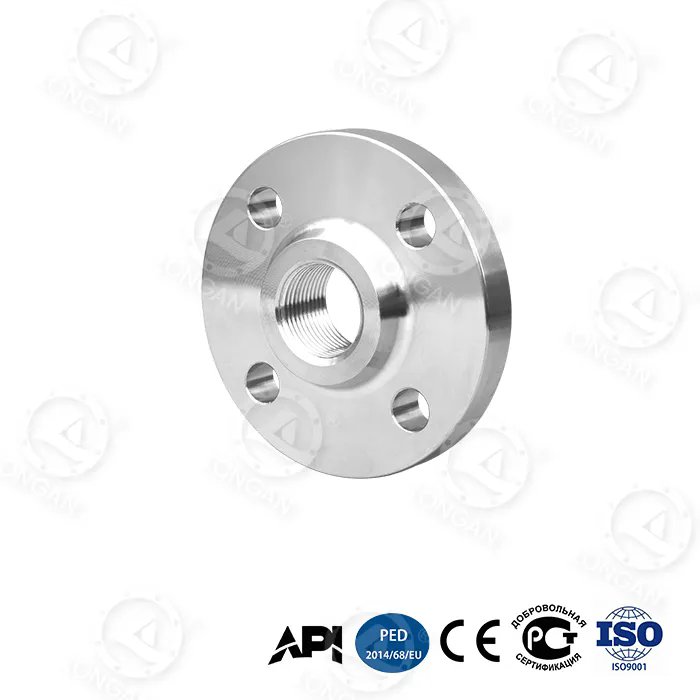
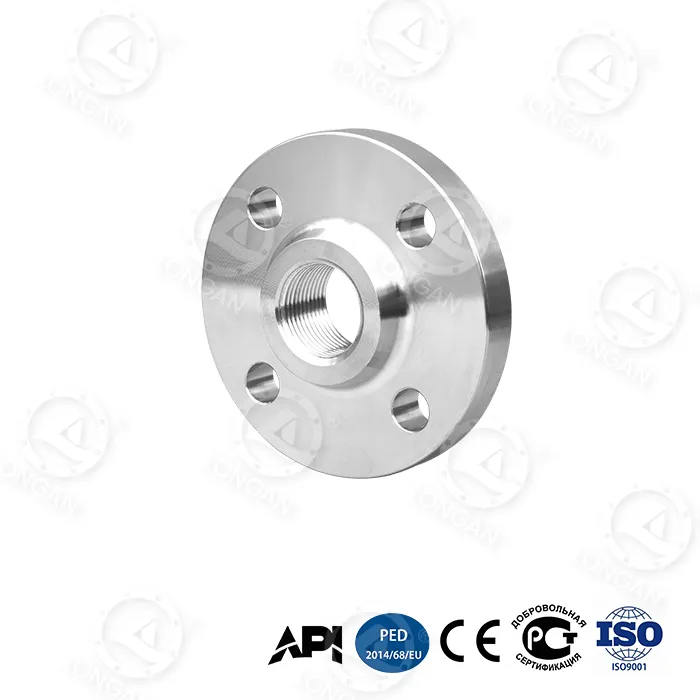
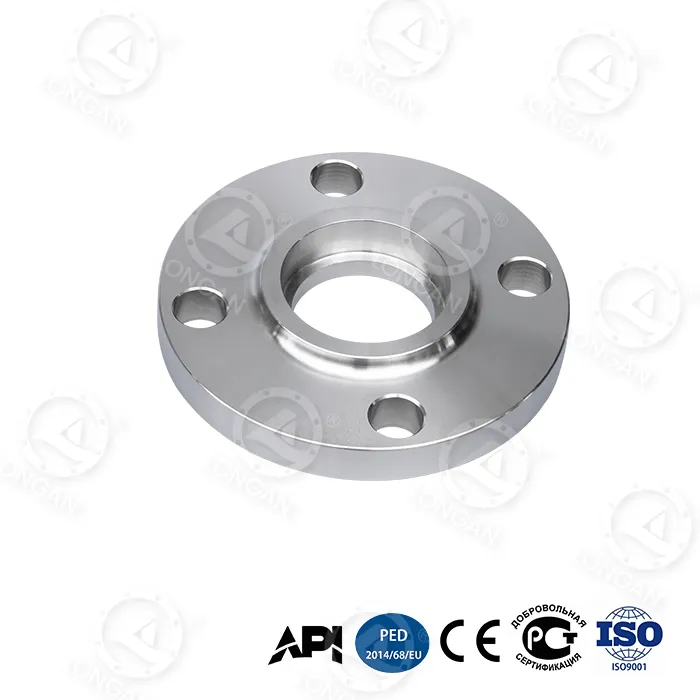
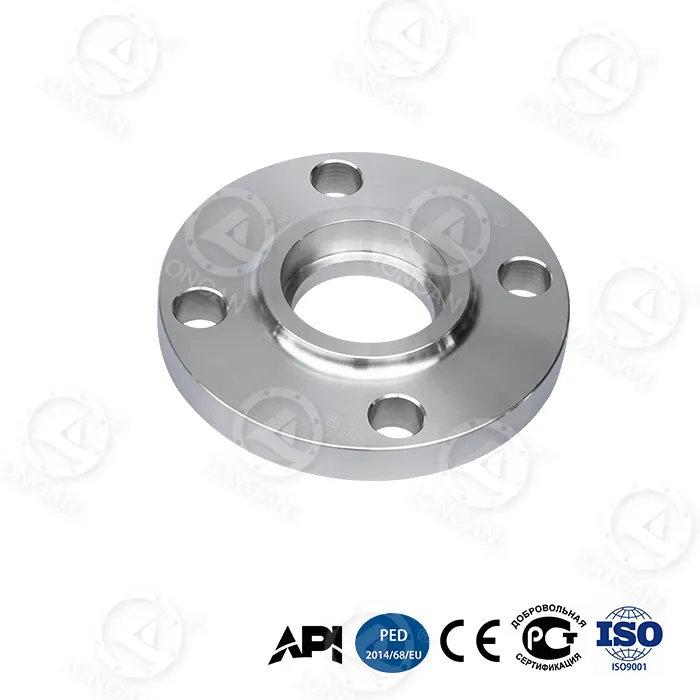
A socket flange is a critical piping component designed for small-diameter, high-pressure, and high-temperature systems. In this in-depth guide, we explain what a socket flange is, how it works, its structural advantages, dimensional standards, material options, and why it remains a preferred solution in safety-critical industries such as oil & gas, chemical processing, and power generation. Drawing from real engineering practices and manufacturing expertise from Longan, this article helps engineers, buyers, and project managers make informed decisions with confidence.
A Steel High Pressure Flange plays a decisive role in ensuring safety, reliability, and performance in piping systems operating under extreme pressure and temperature. From oil and gas pipelines to petrochemical plants and power generation facilities, the correct flange selection can determine the long-term stability of an entire system. This in-depth guide explains what a Steel High Pressure Flange is, how it works, relevant standards, materials, applications, selection criteria, and common mistakes buyers should avoid.
A High Pressure Flange is a vital mechanical component used to connect pipes, valves, pumps, and other equipment in systems operating under extreme pressure and temperature conditions. This in-depth guide explains what a high pressure flange is, how it works, common types, materials, international standards, and why correct selection is essential for safety, efficiency, and long-term performance.
This in-depth article provides a professional and practical overview of the Steel Flat Flange, a critical component in modern pipeline and pressure systems. From structural design and material selection to industrial applications and international standards, this guide explains how Wenzhou Longan delivers high-performance Steel Flat Flange solutions that align with real-world engineering demands.
As industry professionals, we know that not all flanges are created equal. When safety, longevity, and total cost of ownership are paramount, the Forged Welded Neck Flange consistently emerges as the superior choice. At Longan, we’ve dedicated ourselves to perfecting this essential component, understanding that your most demanding applications require nothing less than forged reliability.
The flange manufacturing process typically includes the following steps:
Design: The flange's dimensions, shape, and connection method are designed based on the application requirements and standards. This design is typically performed using CAD software.
We use cookies to offer you a better browsing experience, analyze site traffic and personalize content. By using this site, you agree to our use of cookies.
Privacy Policy