Understanding the Role of Flange in Industrial Applications: A Comprehensive Guide
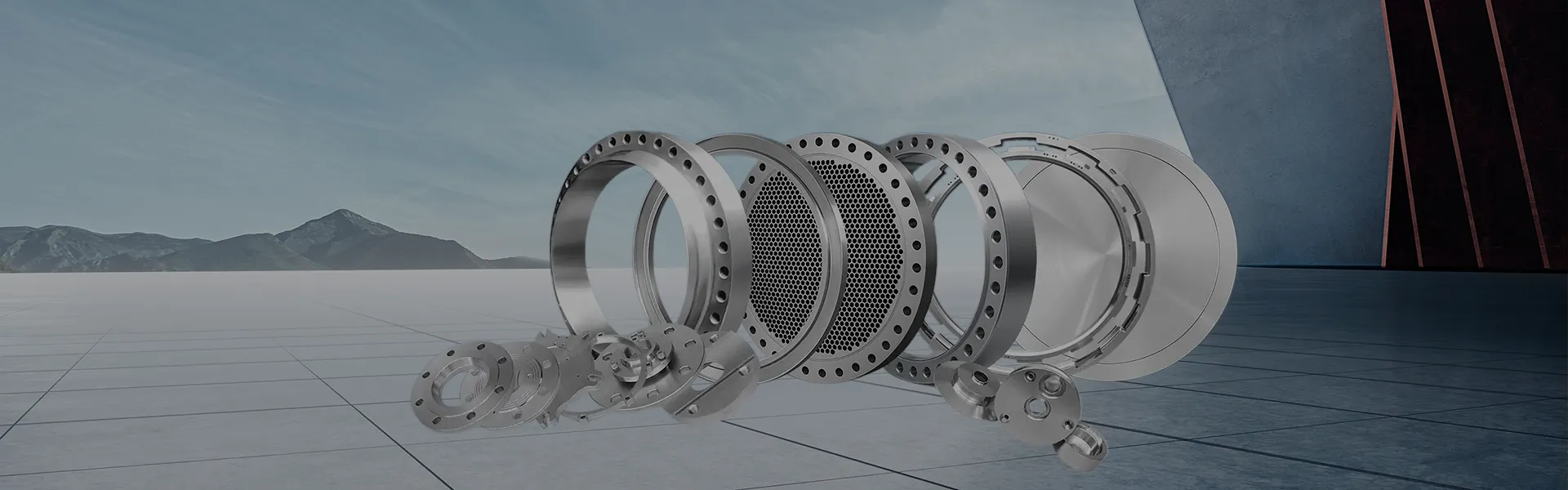
As an important part of piping system, flanges play a vital role in connecting pipes, valves, pumps and other equipment. The products are used in oil and gas, chemical or water treatment plants and these places.
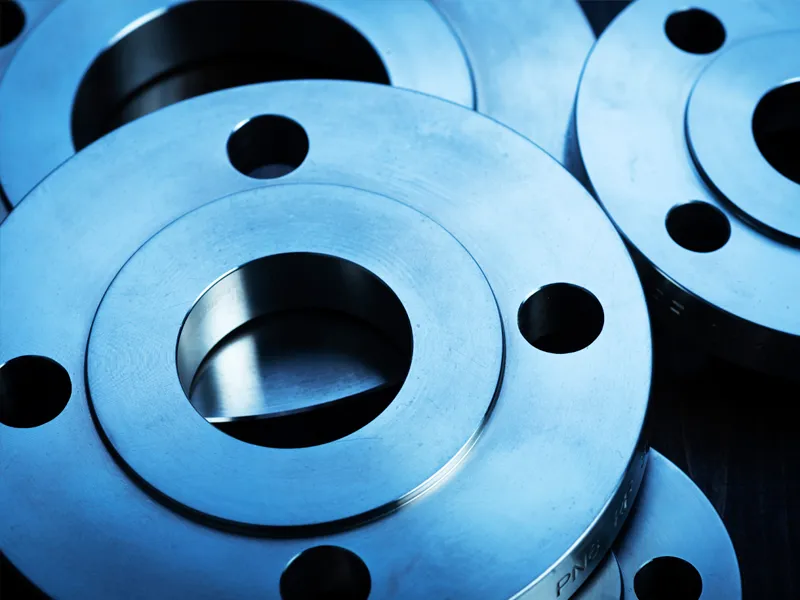
Flanges are flanges or ridges used to connect pipes, fittings or machinery. Flanges are bolted or welded to form a strong connection for easy assembly, disassembly and inspection. Flanges come in a variety of shapes and sizes to withstand different pressures, temperatures and environmental conditions. By standardizing connections, flanges promote interoperability between systems, thereby reducing downtime and maintenance costs.
Key Parameters of Flanges
Size: refers to the nominal pipe size (NPS) or diameter, which must be matched to the connected components.
Pressure Rating: indicates the maximum pressure that the flange can withstand, usually classified according to standards such as ANSI/ASME (e.g. Class 150, Class 300, Class 600).
Materials: Commonly used materials include carbon steel, stainless steel, alloy steel, and non-ferrous metals such as brass or copper, which are selected for their corrosion resistance and strength.
Face types: These include flat faces (FF), raised faces (RF) and ring joints (RTJ), which affect sealing efficiency.
Bolt hole layout: the number and diameter of bolt holes, which are critical for alignment and tightening.
Standards: Compliance with international standards such as ANSI, ASME, DIN or JIS ensures compatibility and safety.
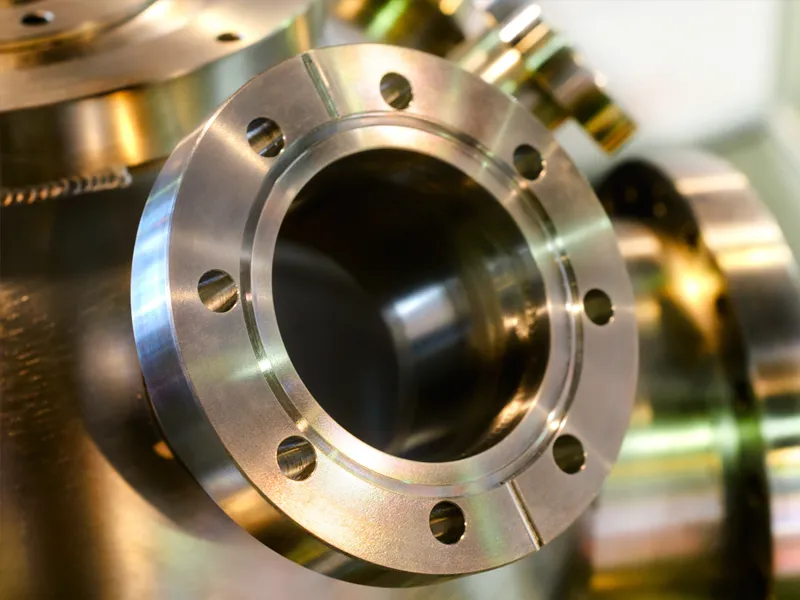
The socket flange has passed the SEMI F72 semiconductor certification and provides atomic-level sealing for ultra-high purity pipelines in 3nm wafer factories and helium cooling systems for nuclear fusion reactors. Through electron beam precision lapping of the socket with a tolerance of only ±0.8μm and cold metal transition welding, the pipeline stress is reduced by 92%, and the helium mass spectrometer leak detection is ≤10⁻¹¹ mbar·L/s, which can reach the space capsule standard.
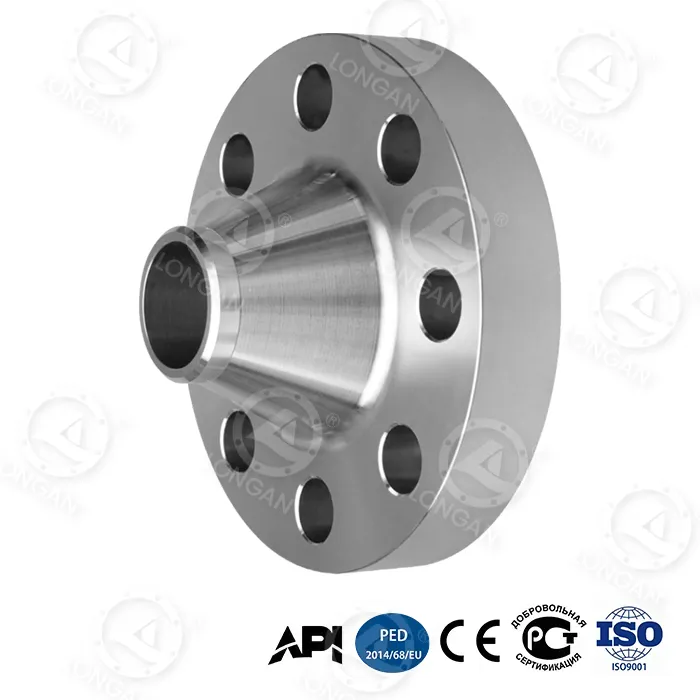
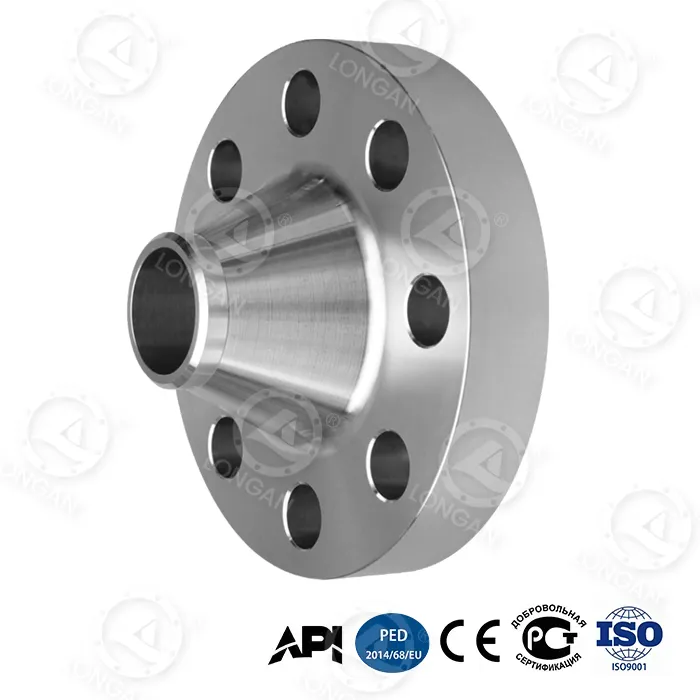
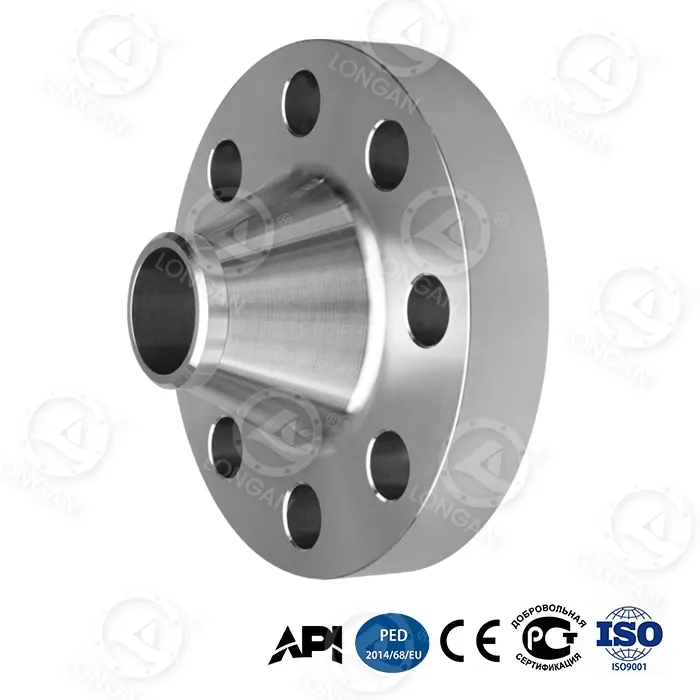
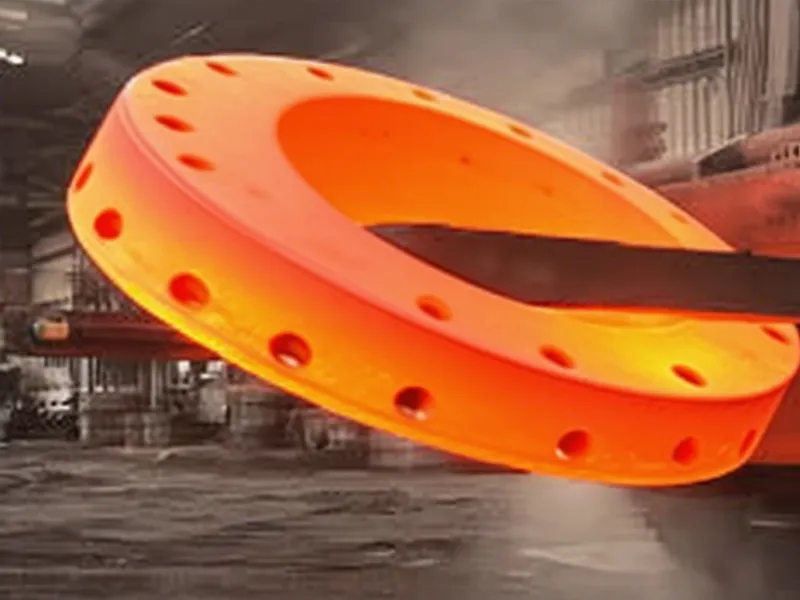
The impact toughness of the weld of the Forged Welded Neck Flange at 248J@-196℃ is increased by 300%. Through the multi-directional die forging + plasma vacuum remelting process, the AI stress prediction chip is integrated to warn of fatigue damage 6 months in advance. It has passed the ASME III nuclear power level 1 certification and provides 50 years of inspection-free protection for the fourth-generation nuclear reactors and deep-sea underwater production systems.
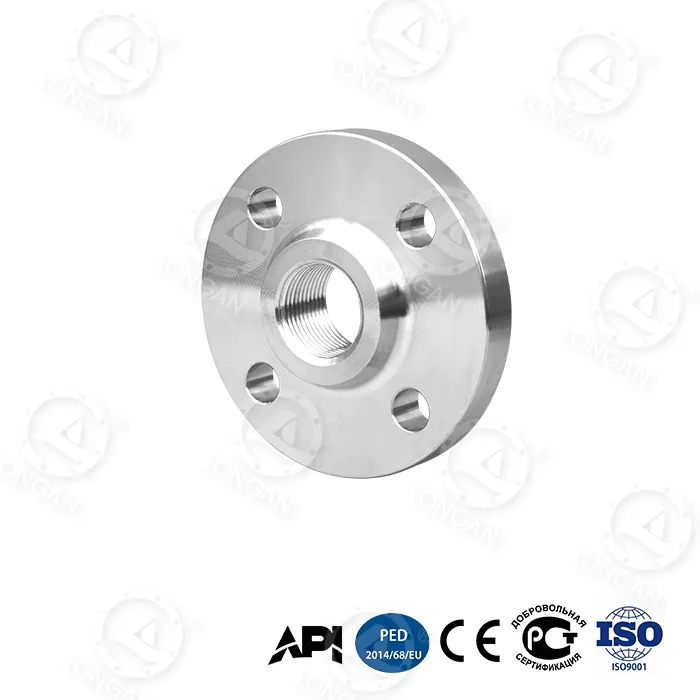
The intelligent anti-vibration Threaded Flange has passed the API 6AF seismic certification and is designed for high-frequency vibration scenarios such as LNG filling arms and shale gas wellhead devices. With dual-lead anti-loosening threads and carbon nano-modified sealing layers, it achieves zero leakage on a 9-magnitude earthquake simulation vibration table, reduces carbon emissions by 62% over the entire life cycle, and is 400% faster to install than welded flanges.
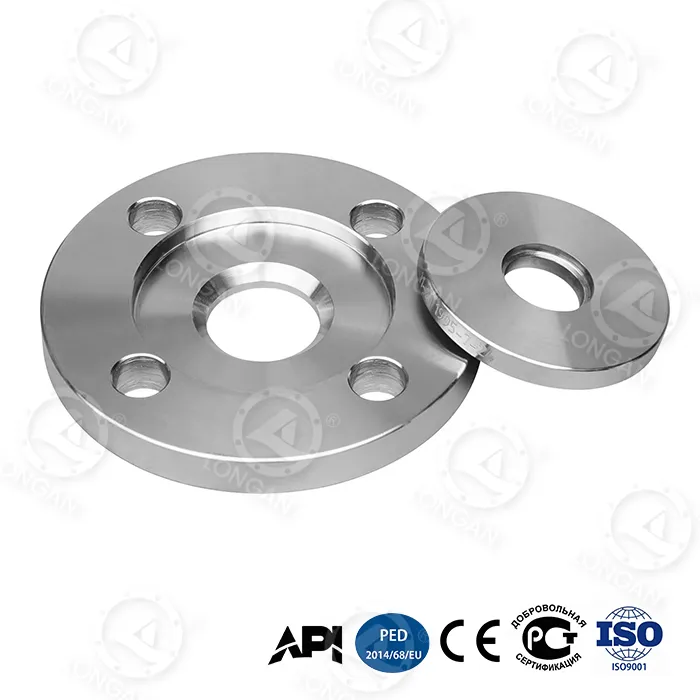
Alloy Steel Blind Flange is NACE MR0175 certified and is designed for critical sealing scenarios such as sour natural gas pipelines and refinery reactors. It uses molybdenum-nickel alloy steel and plasma diffusion welding technology to achieve zero stress corrosion cracking (SCC) in a 650°C hydrogen sulfide environment. The sealing life is up to 15 years, while the traditional blind plate is only ≤3 years.
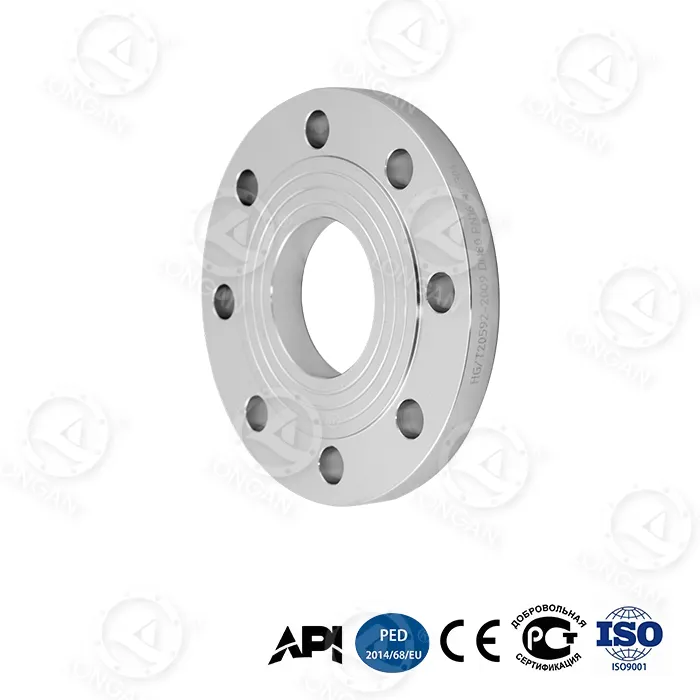
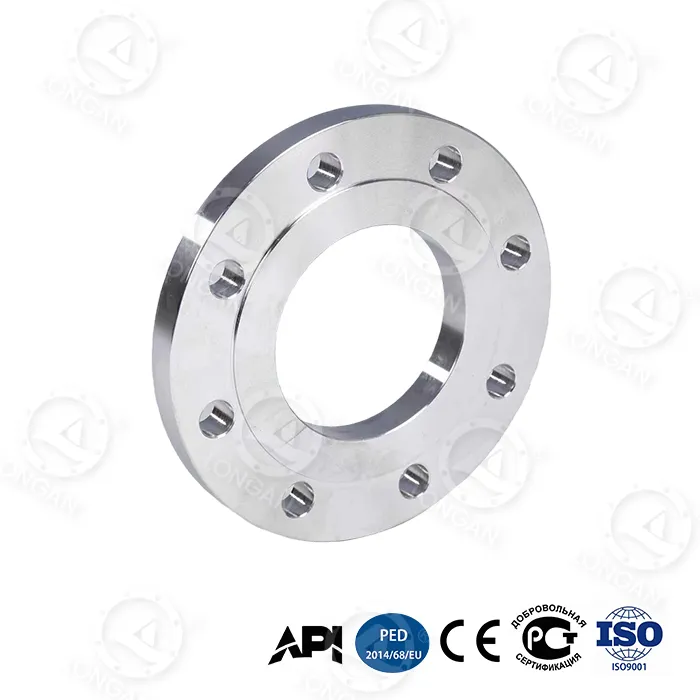
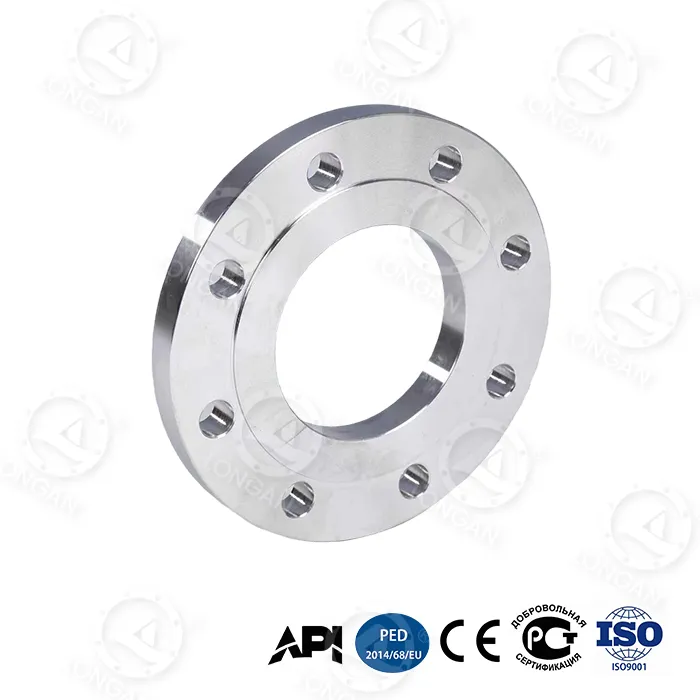
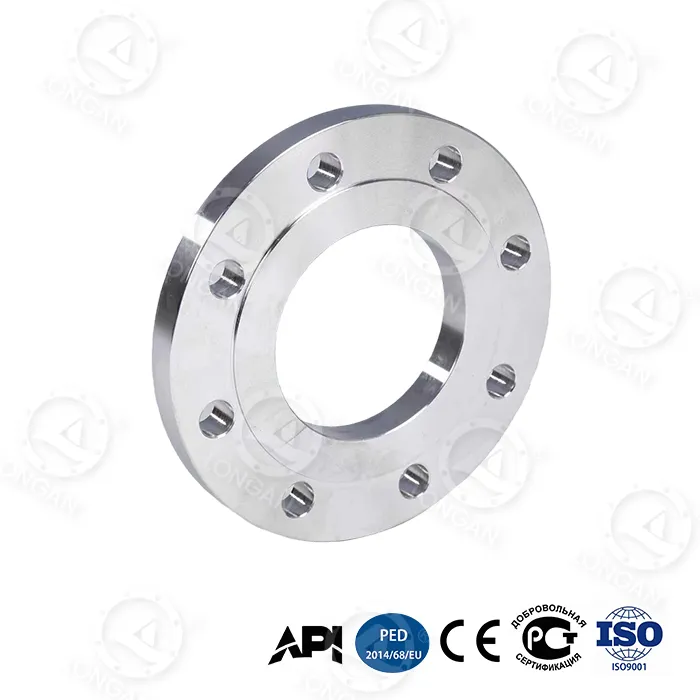
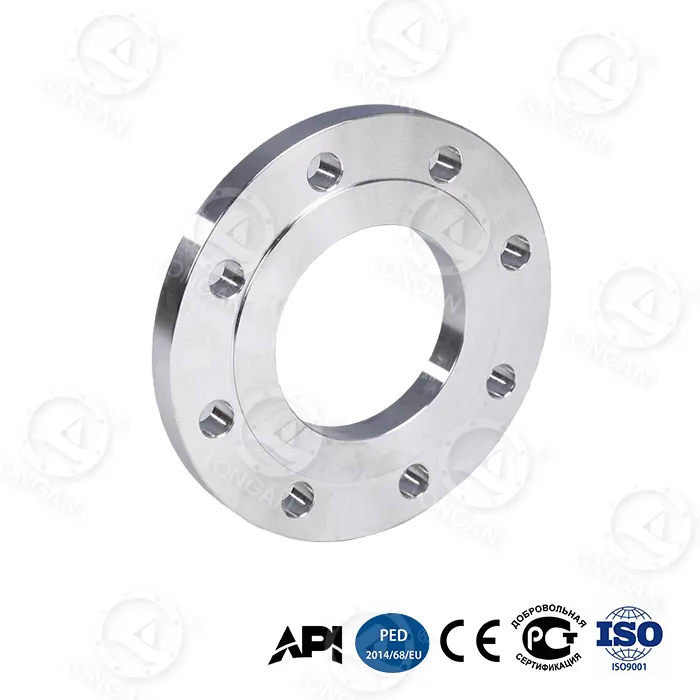
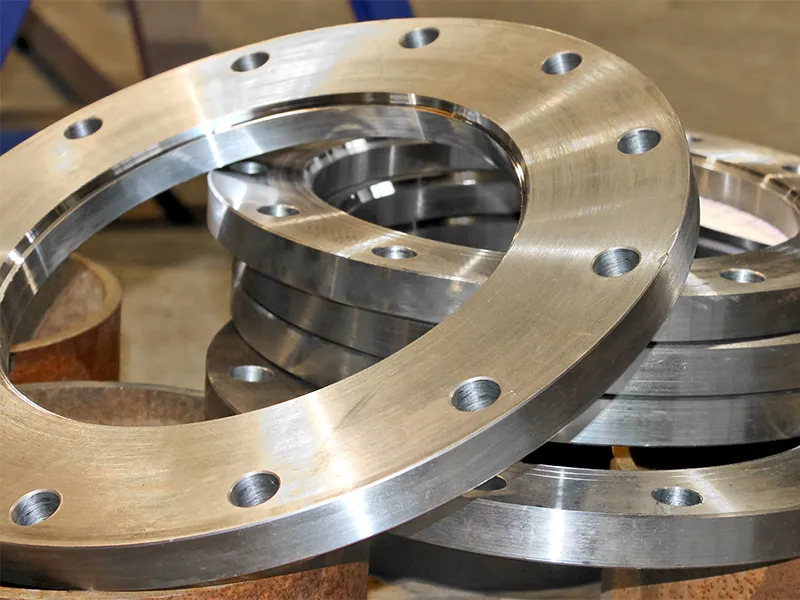
Steel Flat Flange achieves a burst pressure of 42MPa at DN300, which is 280% higher than the national standard GB/T 1048. It adopts bionic honeycomb structure and gradient quenching high carbon steel, and its bending resistance is increased by 65%. It has passed API 6A PSL 3G certification and is suitable for ultra-high pressure scenarios such as shale gas fracturing pumps and deep-sea drilling platforms.
Using precision cold forging technology and nano-coating technology, Flat Flange has an ultra-thin design of 12mm, which is 73% more efficient to install and 40% more tight than the traditional flange with a thickness of ≥20mm. It is designed for industrial pipeline systems with limited space. The product has passed ISO 15848-1 CLASS AH certification and is suitable for extreme working conditions from -196°C to 550°C.
We use cookies to offer you a better browsing experience, analyze site traffic and personalize content. By using this site, you agree to our use of cookies.
Privacy Policy