Products
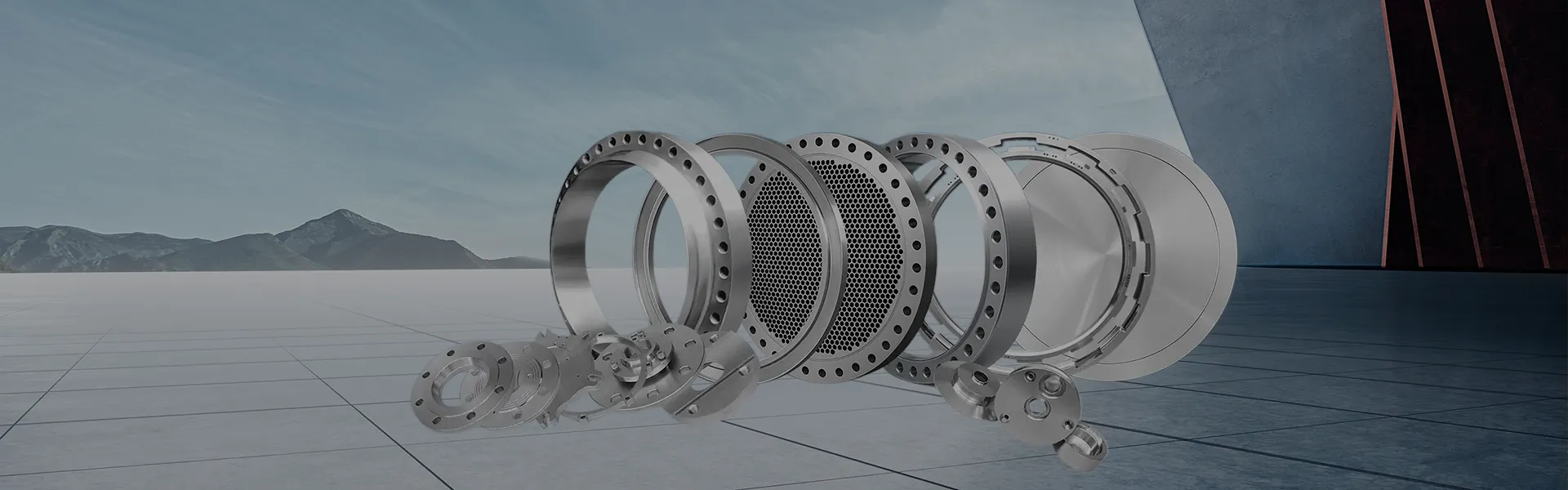
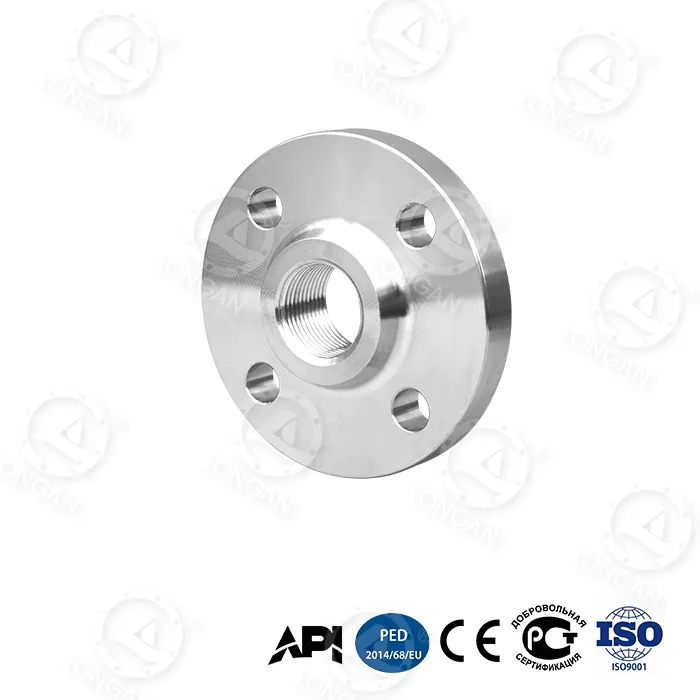
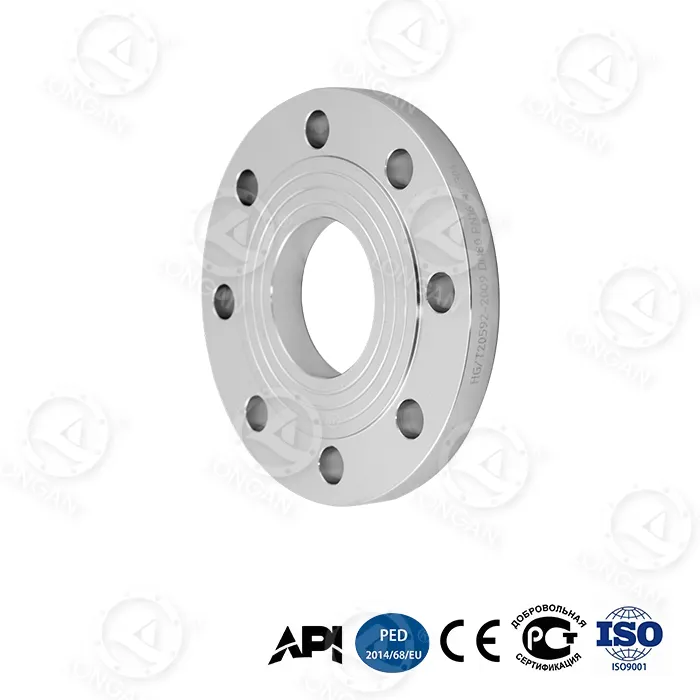
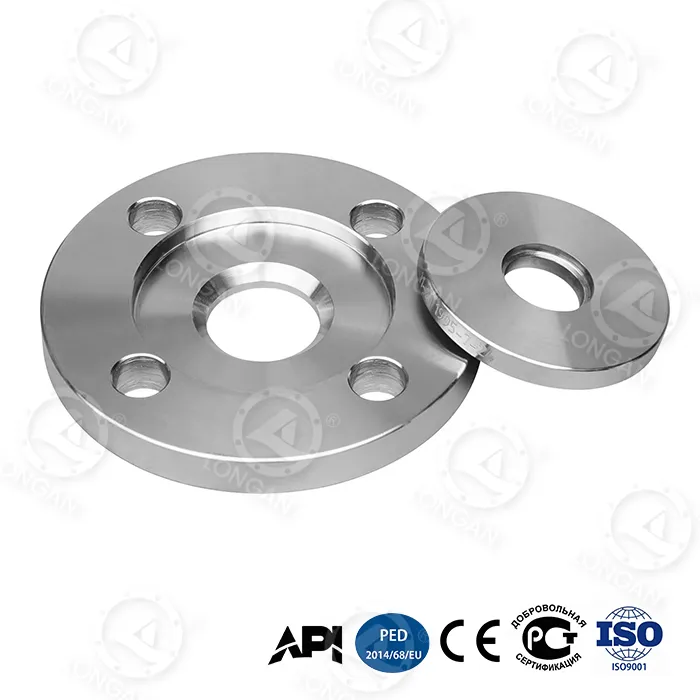
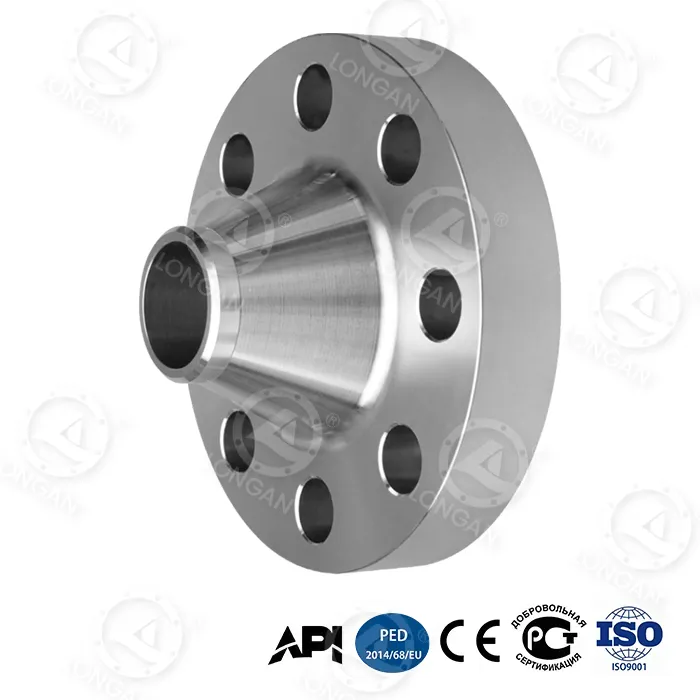
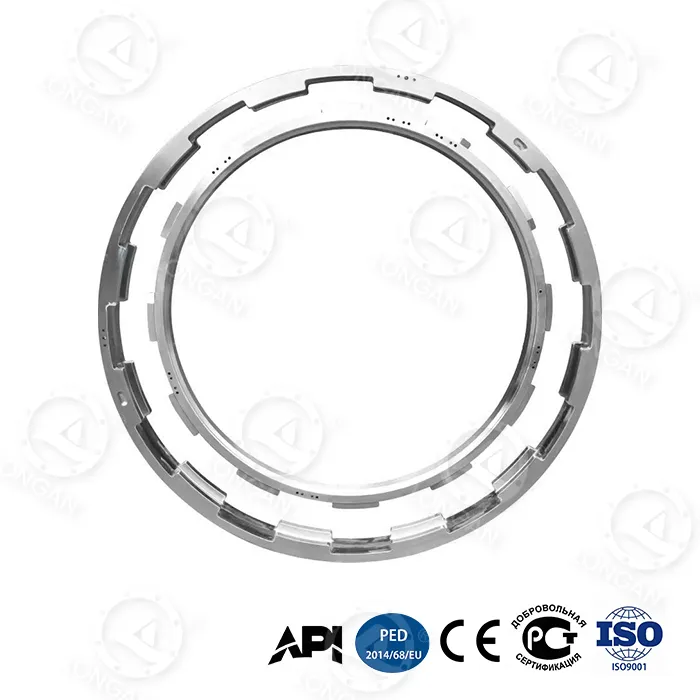
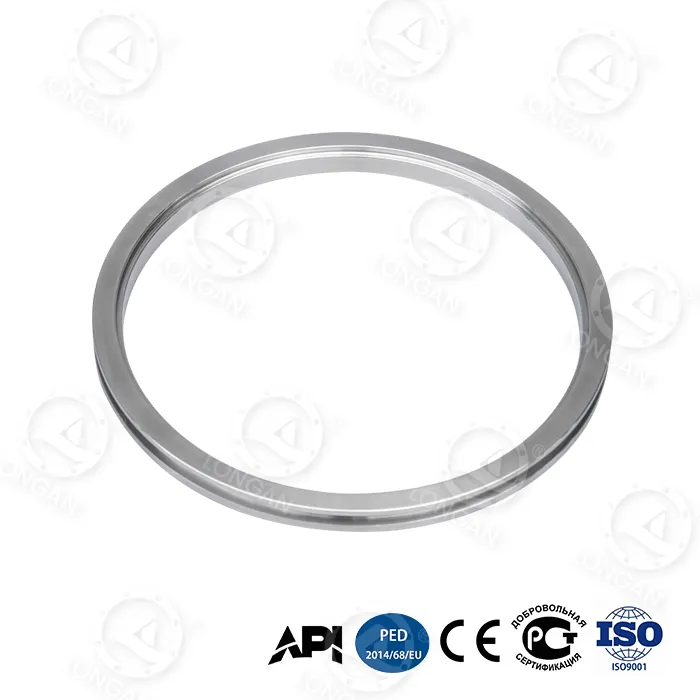
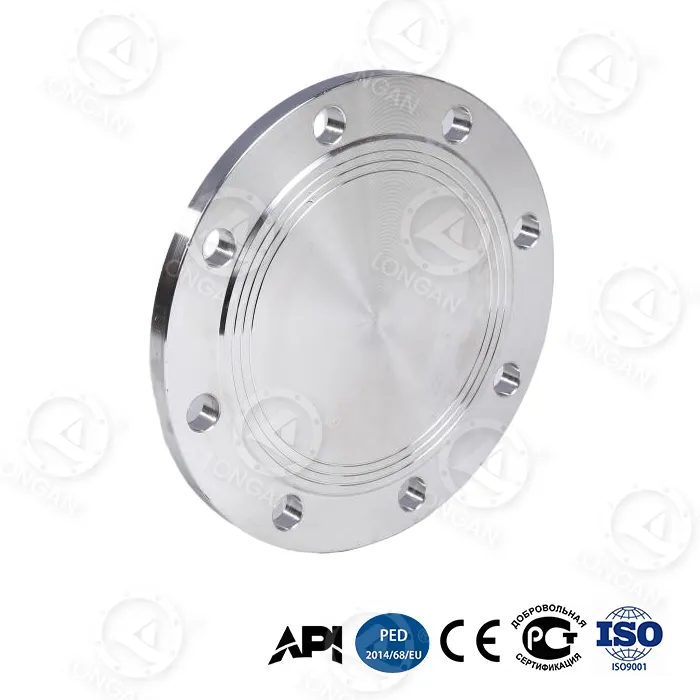
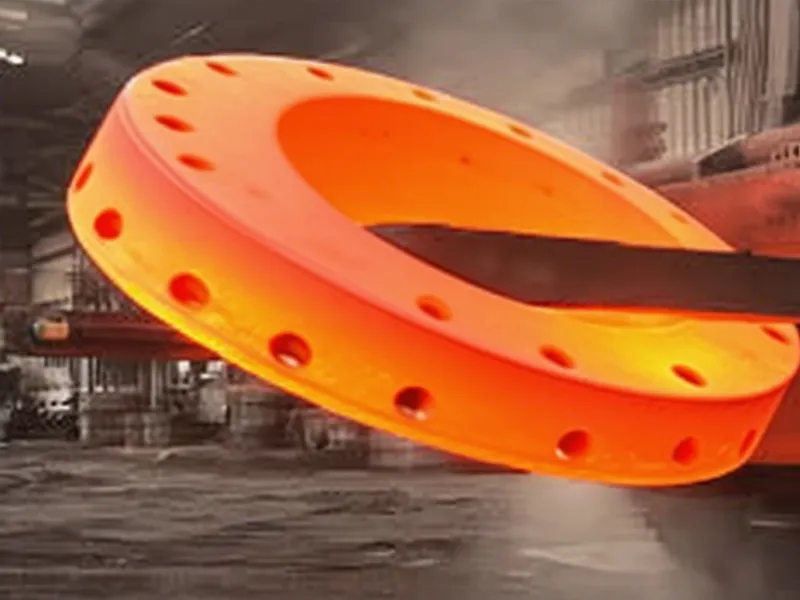
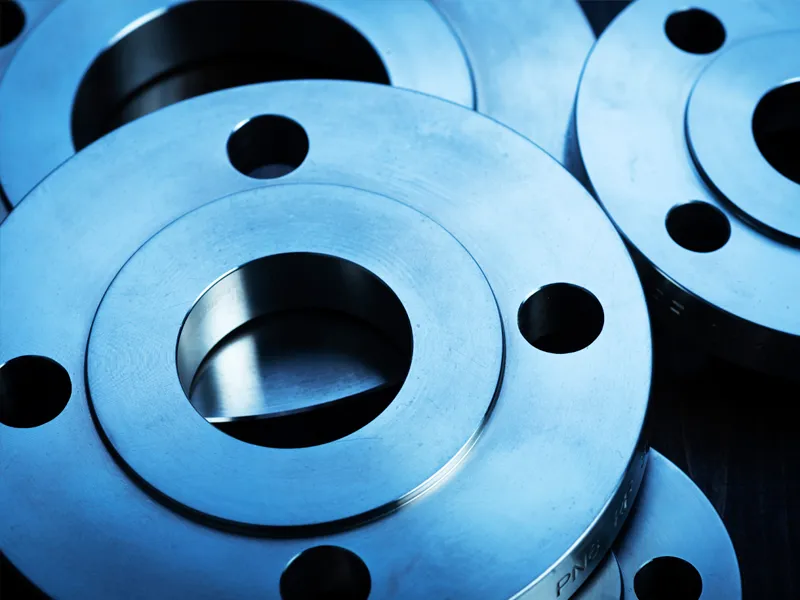
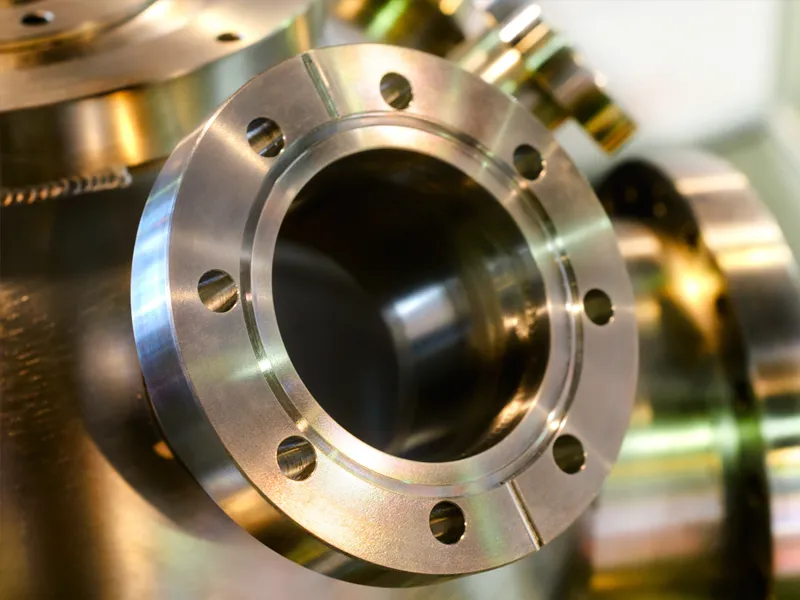
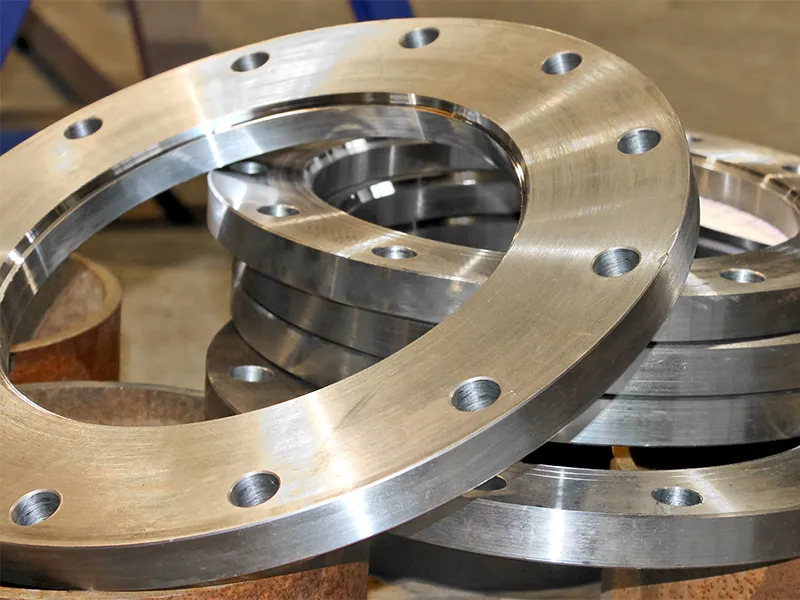
Stainless Steel Forging Flanges
  • Stainless Steel Forging FlangesStainless Steel Forging Flanges

Stainless Steel Forging Flanges

Wenzhou Longan Flange Co., Ltd. is a professional Stainless Steel Forging Flanges manufacturer. We have a strong service after-sales team. The high quality of our products is also our great advantage. We hope that everyone will contact us more

Core Features and Advantages

1. 304L is a low-carbon variant of 304 stainless steel ("L" stands for Low carbon), belonging to austenitic stainless steel, mainly used in the manufacturing of equipment and parts that require welding. Its core chemical components include:

Chromium (Cr): 18% -20% (key element for forming passivation film)

Nickel (Ni): 8% -12% (stable austenite structure)

Carbon (C): ≤ 0.03% (significantly lower than ≤ 0.08% for 304 stainless steel)

Other elements: Silicon (Si) ≤ 1.0%, Manganese (Mn) ≤ 2.0%, Phosphorus (P) ≤ 0.045%, Sulfur (S) ≤ 0.03%

2. Excellent mechanical properties

Density 7.93 g/cm ³

Melting point 1398-1420 ℃

Thermal conductivity 16.2 W/m ·℃

Thermal expansion coefficient 17.2 × 10 ⁻⁶/℃

Tensile strength ≥ 485 MPa

Yield strength ≥ 170 MPa

Elongation rate ≥ 40%

Hardness ≤ 187 HB (Brinell hardness)

3. Corrosion resistance performance

Intergranular corrosion protection: Low carbon design effectively reduces carbide precipitation in the welding heat affected zone, avoids chromium depletion at grain boundaries, and maintains corrosion resistance without heat treatment after welding.

Medium adaptability: It has excellent resistance to oxidative acids, organic acids, and atmospheric corrosion, but its performance is weaker than 316L stainless steel in chloride containing environments (such as seawater).

Application scenarios: Chemical equipment welding parts, food processing containers, low-temperature pressure vessels, etc

4. Comparative Advantage Analysis

Vs 304 stainless steel:

Advantages: Better welding performance (50% lower carbon content), increased resistance to intergranular corrosion by more than 30%

Disadvantage: The tensile strength is reduced by about 6% (485MPa vs 515MPa), and the price is 5% -10% higher

Applicable scenarios: Welding structures prefer 304L, while non welding structures can choose 304

Vs 316L stainless steel:

Advantages: 20% -30% lower cost, better processing performance

Disadvantage: Lack of molybdenum element (Mo), and its resistance to pitting corrosion in chloride environment is only 1/10 of 316L

Applicable scenarios: 304L for conventional corrosive environments, 316L for marine/chemical corrosive environments

5. Typical application areas

Welded structures: oil pipelines, LNG storage tanks

Sanitary equipment: pharmaceutical machinery, food processing lines

Architectural decoration: Coastal building curtain wall (requires chlorine protection treatment)

Industrial components: heat exchanger tube plates, reaction vessels

Max Continuous Service Temp:

Austenitic stainless steel (304/316): about 870°C (1600°F)

Stainless Steel Forging Flanges


Hot Tags: Stainless Steel Forging Flanges
Related Category
Send Inquiry
Contact Info
We use cookies to offer you a better browsing experience, analyze site traffic and personalize content. By using this site, you agree to our use of cookies. Privacy Policy
Reject Accept