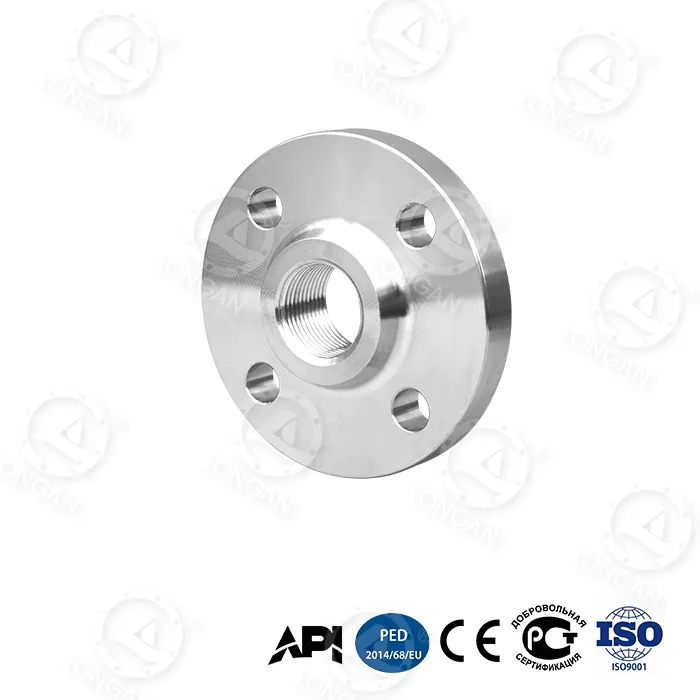
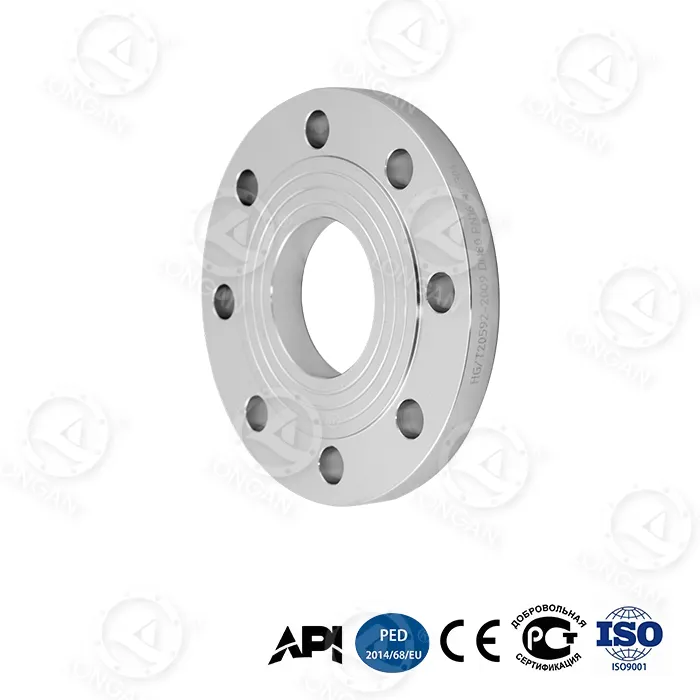
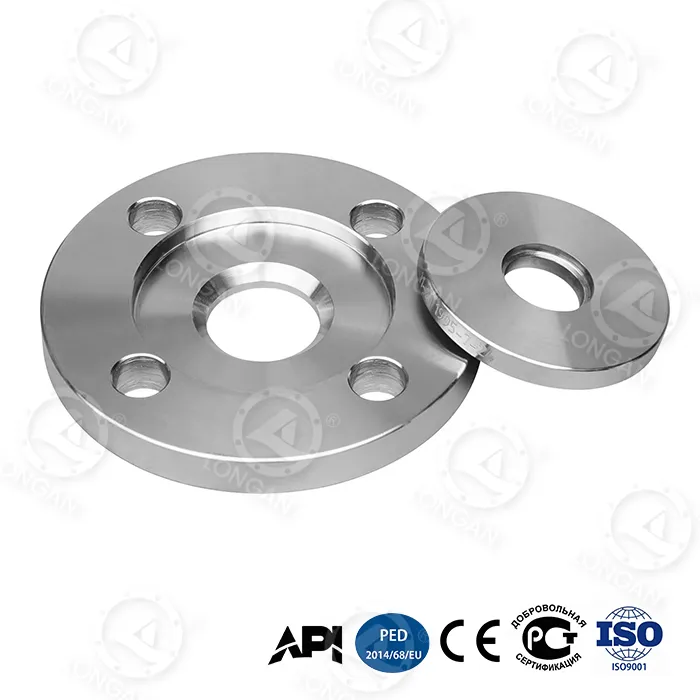
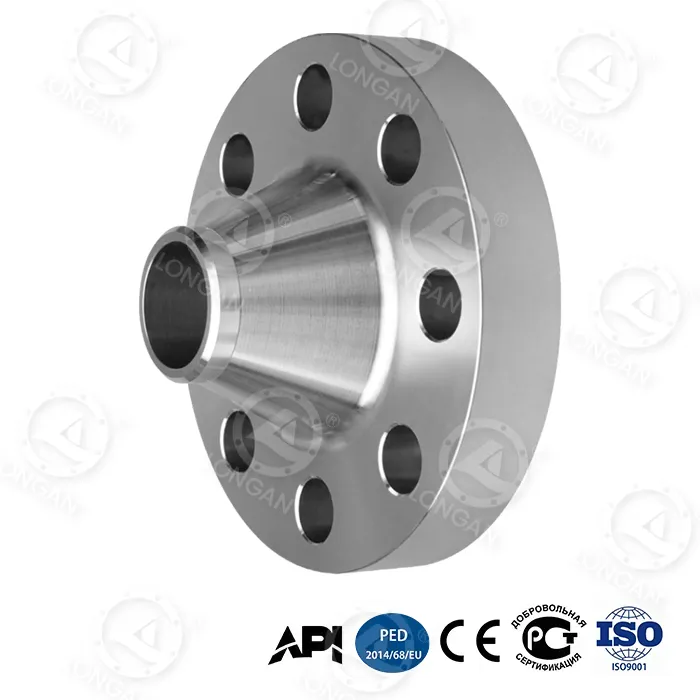
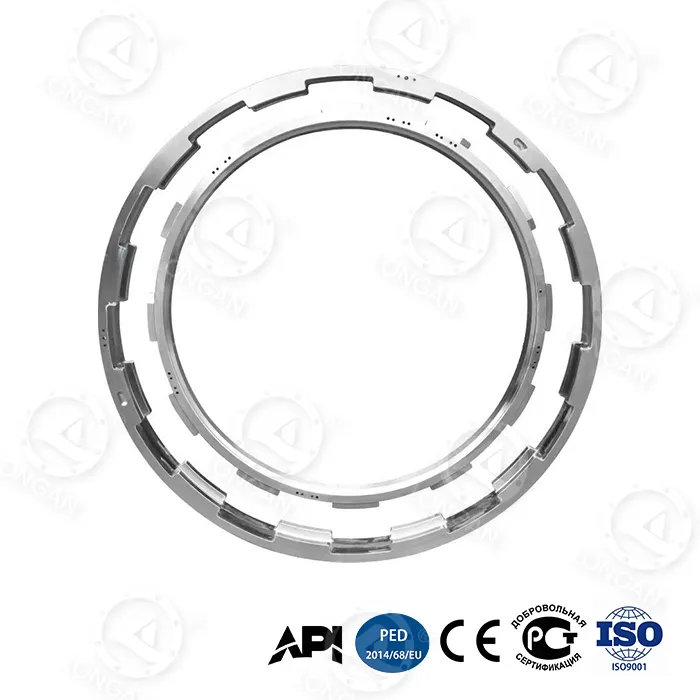
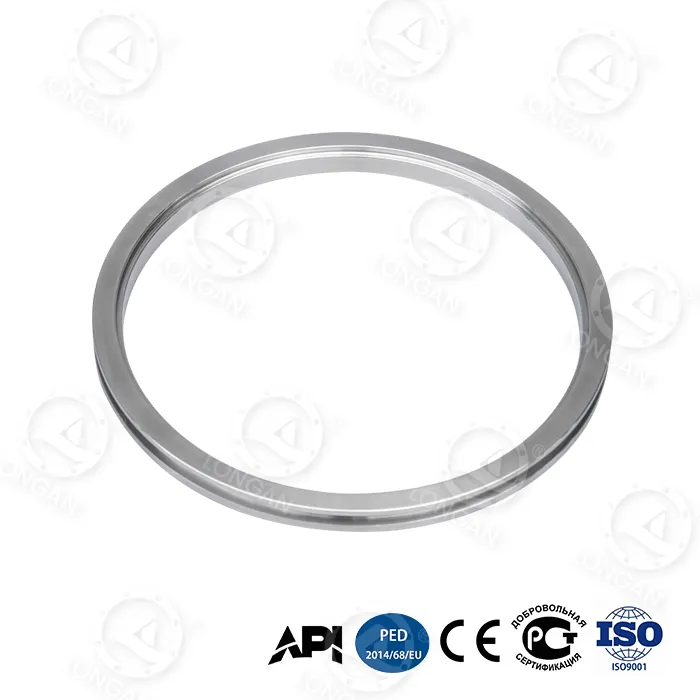
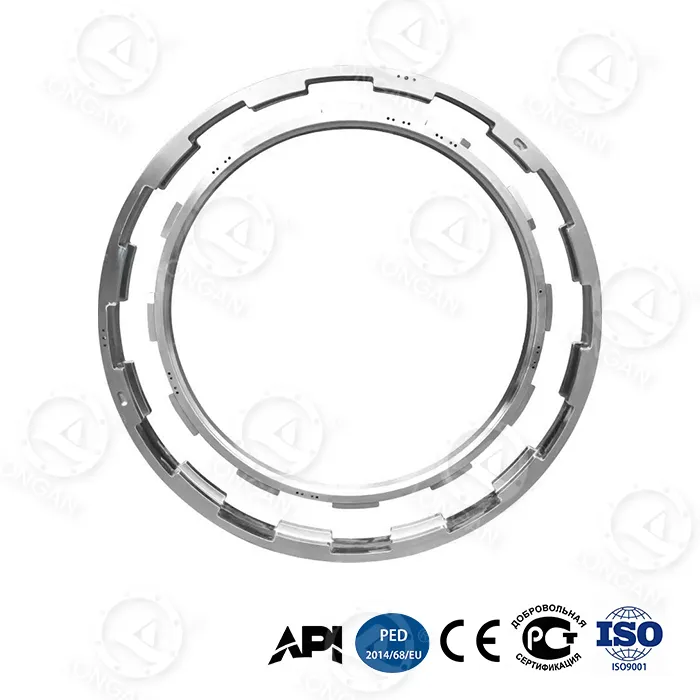
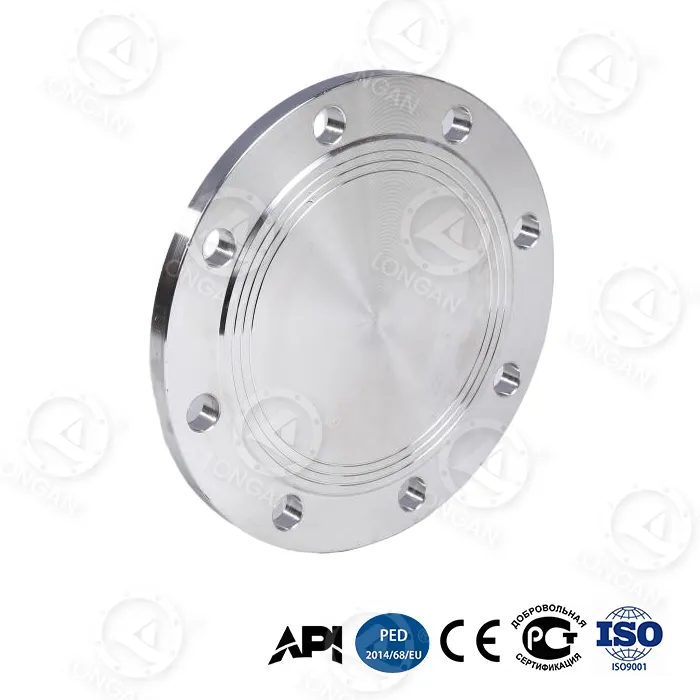
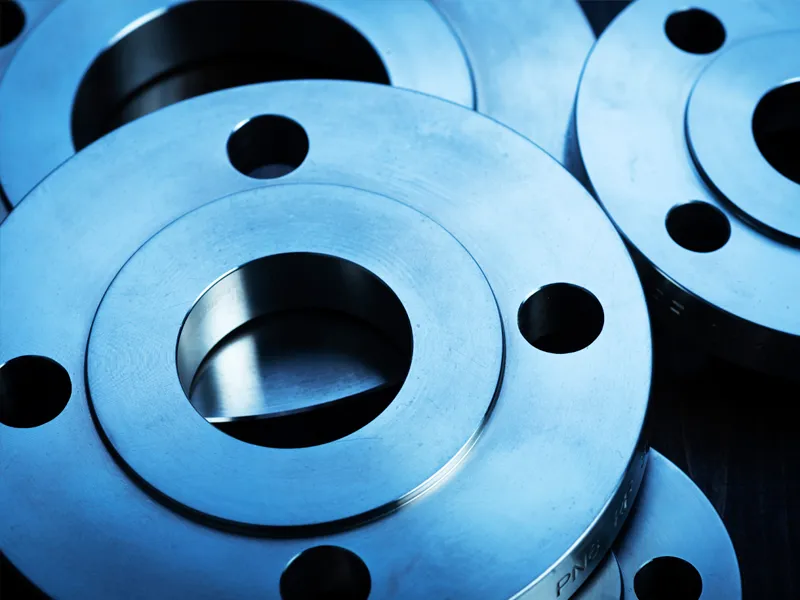
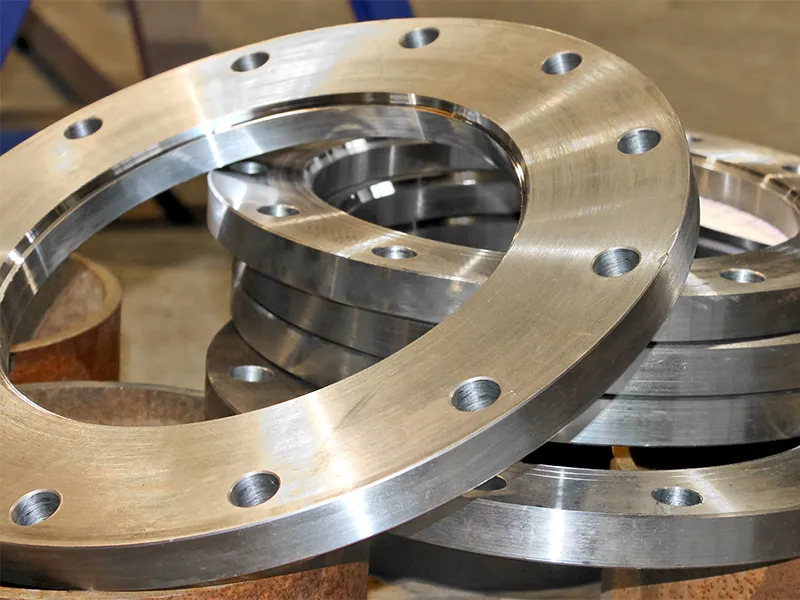
Longan Flange offers industrial buyers the option to wholesale 316L stainless steel forged flange components directly from our production line. This component effectively eliminates grain-boundary chromium depletion, stopping structural cracking during heavy industrial welding processing.
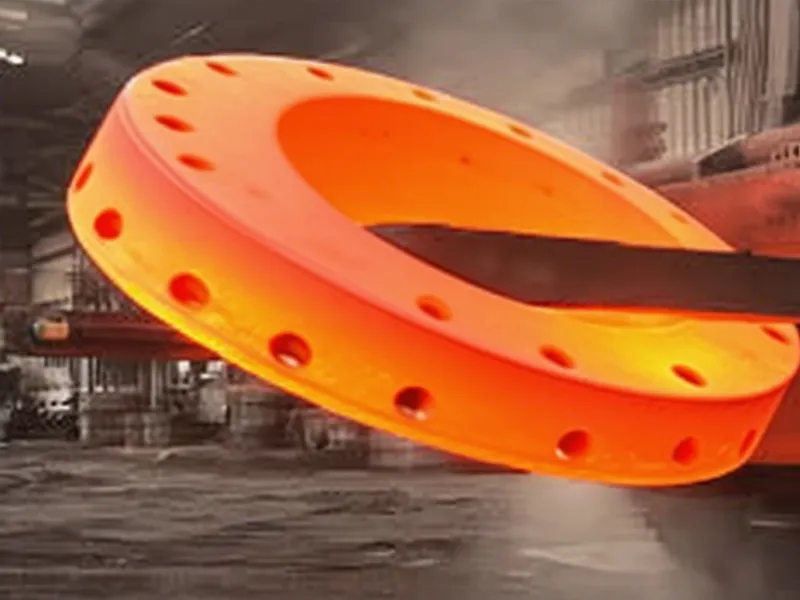
Are you looking to buy a premium 316L stainless steel forged flange from a verified China manufacturer? Wenzhou Longan Flange Co., Ltd. manufactures these high-integrity connections via advanced closed-die forging techniques monitored by our online ERP system. Our paperless quality management guarantees internal structural density, completely eliminating micro-voids and providing chemical processing plants with a zero-leakage guarantee for volatile fluids under continuous pressure.
Resolving Critical Piping Vulnerabilities: The Low-Carbon Advantage
In petrochemical refineries and chemical transport systems, standard grade connections frequently succumb to localized stress-corrosion cracking near welded joints. When regular steel components undergo the high temperatures of field welding, chromium combines with carbon at the grain boundaries, leading to chromium depletion and rapid structural failure.
This 316L stainless steel forged flange completely re-engineers this vulnerability. By lowering the carbon ceiling to ≤ 0.03%, the formulation ensures that chromium remains uniformly distributed within the matrix during the welding cooling cycle. This reduces maintenance expenditures by more than 30% and allows field engineers to install long-distance pipelines without the logistics of post-weld annealing.
Core Technical Parameters
Physical & Mechanical Property Criteria
Certified Engineering Value
Core Density Rating
7.93 g/cm³
Thermal Conductivity Efficiency
16.2 W/m·℃
Liquidus/Solidus Melting Point Range
1398 - 1420 ℃
Coefficient of Thermal Expansion
17.2 × 10⁻⁶/℃
Minimum Tensile Strength Limit
485 MPa
Minimum Yield Strength Threshold
170 MPa
Ductility Elongation Rate
40%
Maximum Brinell Hardness Limit
187 HB
Maximum Continuous Service Temp
870°C (1600°F)
Strategic Material Benchmarking
• Vs Standard 304 Materials: 316L stainless steel forged flange delivers a 30% improvement in intergranular corrosion protection due to its 50% reduction in carbon content. While the low-carbon modification results in a slight 6% decrease in ultimate tensile strength (485 MPa vs 515 MPa), it provides superior structural safety for all welded industrial assets.
• Vs High-Molybdenum Superalloys: It provides a 20% to 30% overall procurement cost reduction, serving as an economically optimized choice for environments where high-pitting chloride exposures are absent but post-weld structural reliability is mandatory.
Where Are These Forged Components Applied?
• Oil and Gas Transport: Installed in cross-country oil pipelines and critical LNG storage tank distribution networks.
• Sanitary Process Systems: Used heavily within pharmaceutical machinery fluid lines and high-purity food processing lines.
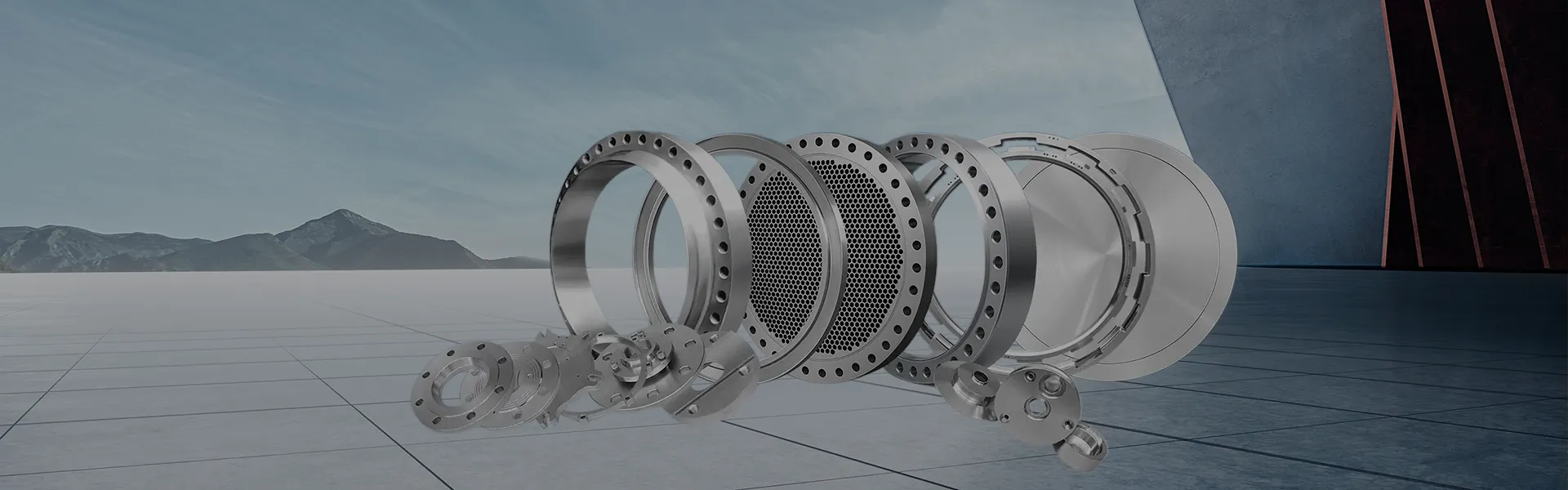
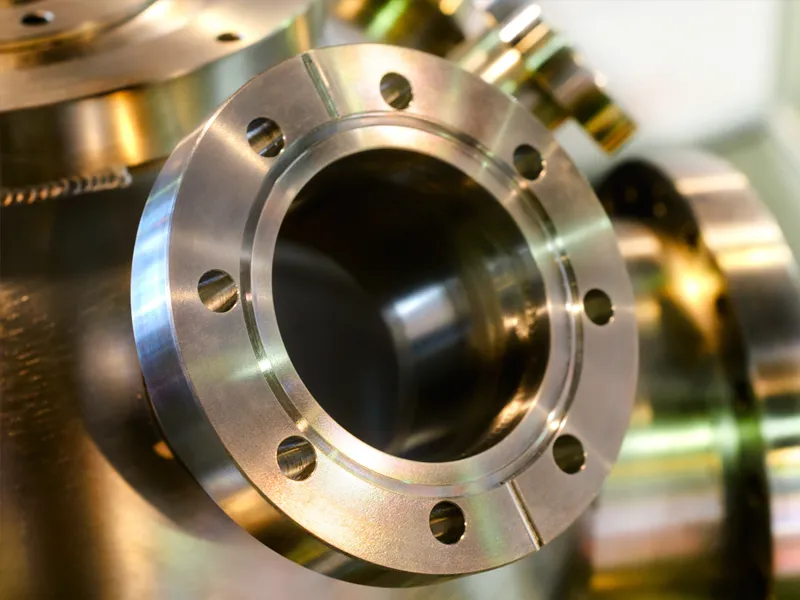
• Industrial Component Arrays: 316L stainless steel forged flange serves as the primary sealing interface for heat exchanger tube plates and chemical reaction vessels.
Digital Non-Destructive Testing Quality Controls
Every single forged connection is tracked through our workshop network using our advanced online ERP tracking system. Following machining, each component undergoes ultrasonic flaw detection to ensure zero internal cooling shrinkage cavities. Furthermore, precise Brinell testing ensures hardness values never exceed 187 HB, satisfying international standard requirements.
Heavy-Duty Export Logistics Packaging
• Surface Preparation: Machined faces are coated with specialized rust-preventative oil and sealed with durable polyethylene caps.
• Outer Packing: Heavy-duty items exceeding 50kg are bolted inside reinforced wooden crates, while smaller connections are separated by thick cardboard grids inside multi-walled boxes.
Product Technical FAQ
Why does this component protect against corrosion after field welding without heat treatment?
Because the carbon level is kept at ≤ 0.03%, chromium carbides do not precipitate at the grain boundaries during the welding cooling cycle. This keeps the chromium content evenly distributed, ensuring the component retains its full corrosion resistance without requiring post-weld annealing.
What is the precise thermal limitation of a 316L stainless steel forged flange?
It operates reliably up to a maximum continuous service temperature of approximately 870°C (1600°F) before scaling and mechanical degradation risk increases.
Why does a forged component offer greater system reliability than a cast alternative?
Forging refines the internal grain structure of the steel, matching the shape of the component. This completely eliminates internal gas pockets, shrinkage cavities, and cooling voids common in cast alternatives, resulting in a minimum tensile strength of 485 MPa.
For inquiries about Socket Flange, Flat Flange, 304 Welding Flange or price list, please leave your email to us and we will be in touch within 24 hours.
We use cookies to offer you a better browsing experience, analyze site traffic and personalize content. By using this site, you agree to our use of cookies.
Privacy Policy