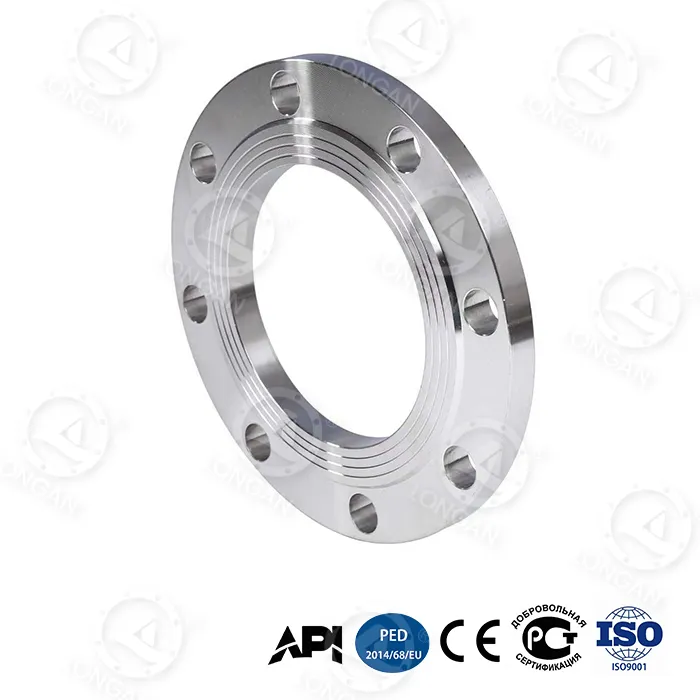
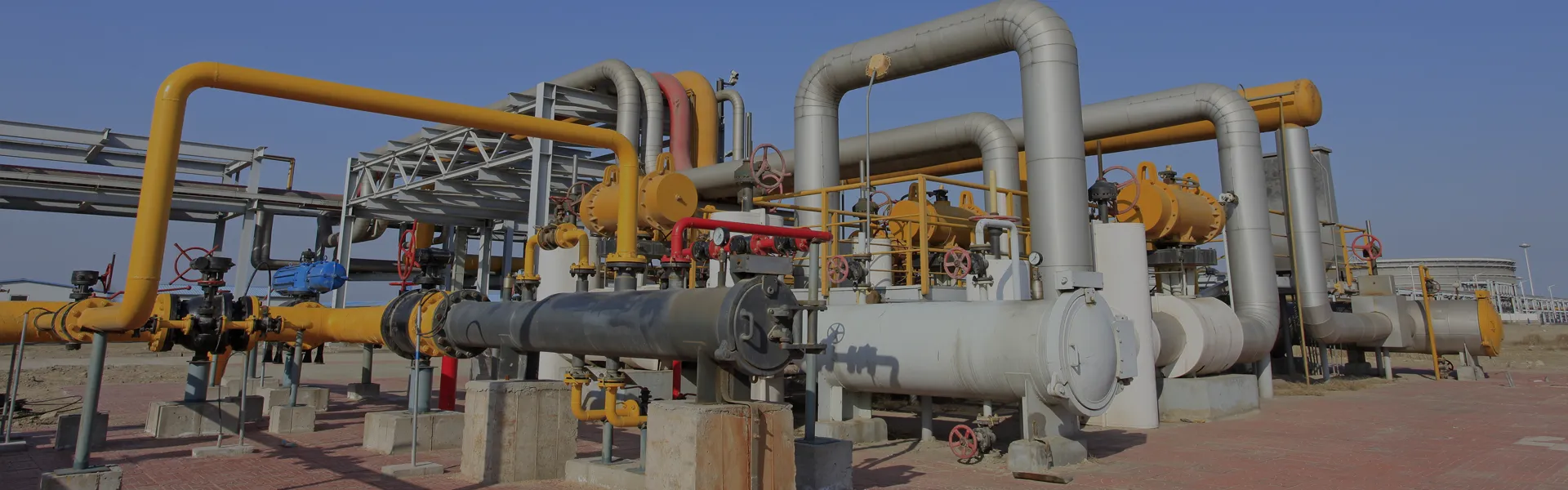
Big size flanges play a critical role in large-diameter and high-pressure pipeline systems used in industries such as oil & gas, power generation, petrochemical processing, and offshore engineering. Selecting the right big size flange involves evaluating multiple factors, including flange type, material, pressure rating, manufacturing standards, and installation conditions.
This in-depth guide explains how to choose the right big size flange for your pipeline system, covering technical considerations, industry standards, common applications, and best practices—helping engineers, procurement managers, and project owners make informed decisions.
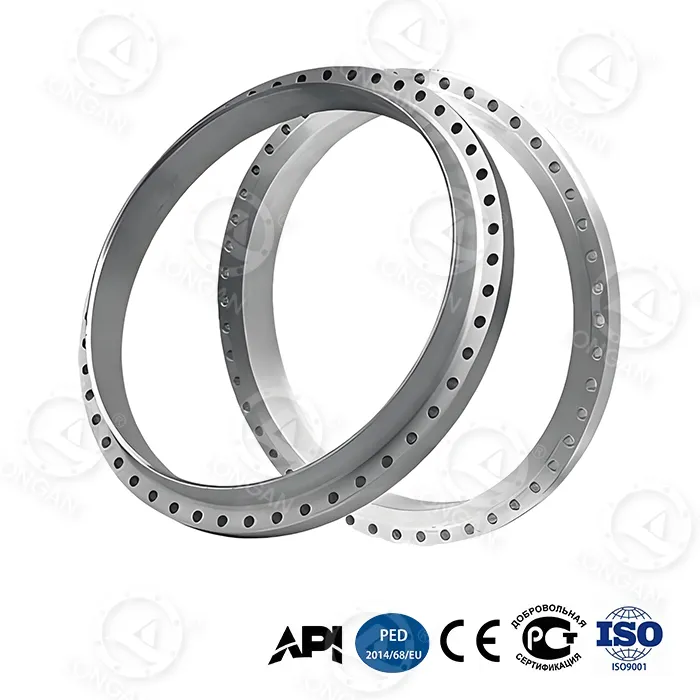
Table of Contents
- What Is a Big Size Flange?
- Applications of Big Size Flanges
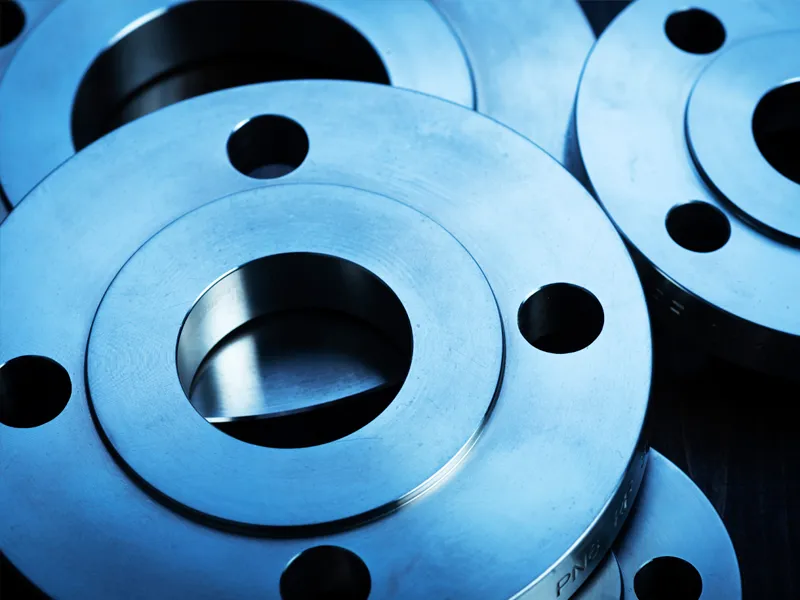
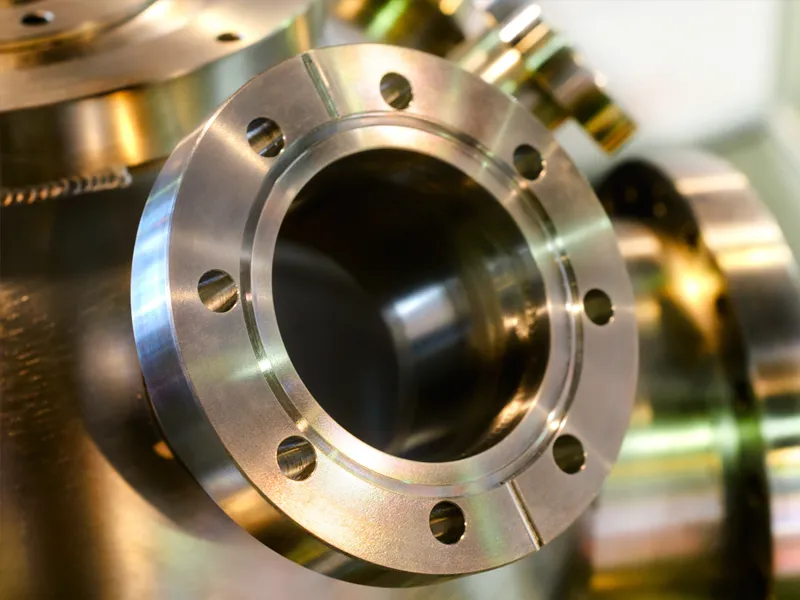
- Common Types of Big Size Flanges
- Material Selection for Big Size Flanges
- International Standards and Specifications
- Key Factors When Choosing a Big Size Flange
- Manufacturing and Quality Control
- Installation Challenges and Best Practices
- Big Size Flange vs Standard Flange
- Frequently Asked Questions
What Is a Big Size Flange?
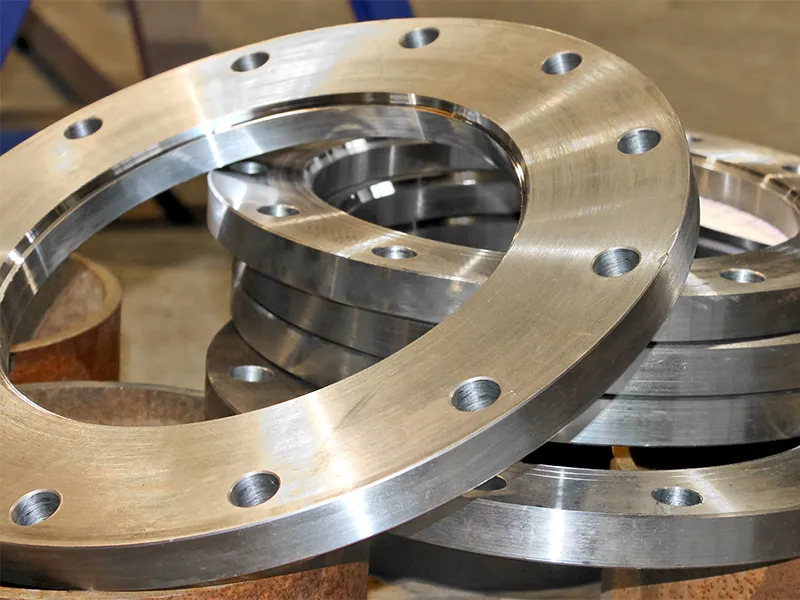
A big size flange typically refers to a flange with a nominal diameter larger than DN600 (24 inches), although in many heavy industrial projects, flanges can exceed DN1000, DN2000, or even larger. These flanges are designed to connect large pipes, valves, pumps, and pressure vessels in demanding environments.
Unlike standard flanges, big size flanges must withstand:
- Extremely high internal pressure
- Large mechanical loads
- Thermal expansion and vibration
- Harsh chemical or marine environments
Manufacturers such as Longan specialize in producing big size flanges that meet strict dimensional accuracy and performance requirements for global infrastructure projects.
Applications of Big Size Flanges
Big size flanges are widely used in industries where fluid transport requires large flow capacity and high reliability.
| Industry | Typical Application | Why Big Size Flanges Are Needed |
|---|---|---|
| Oil & Gas | Transmission pipelines, refineries | High pressure and large flow volumes |
| Power Generation | Cooling water systems | Continuous operation and safety |
| Petrochemical | Process piping | Chemical resistance and durability |
| Offshore Engineering | Subsea pipelines | Corrosion resistance and strength |
| Water Treatment | Main transmission lines | Large diameter and long service life |
Common Types of Big Size Flanges
Choosing the correct flange type is the foundation of a reliable pipeline system.
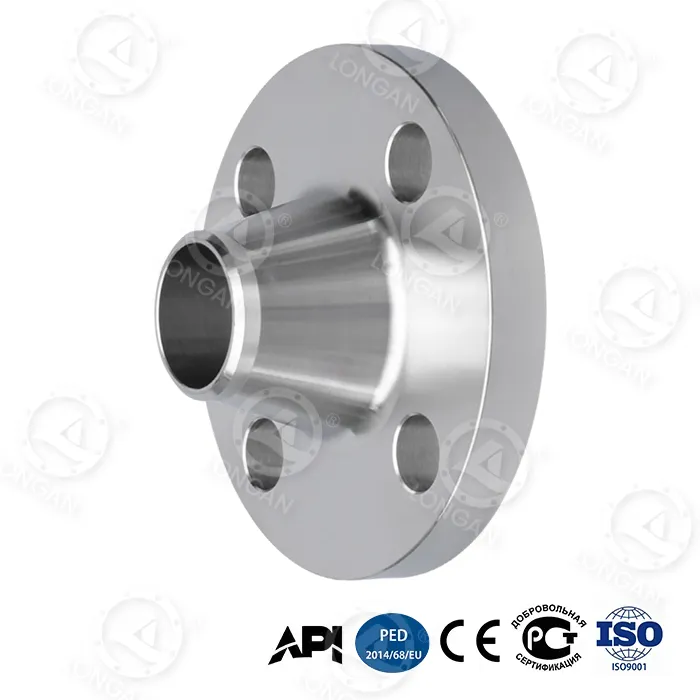
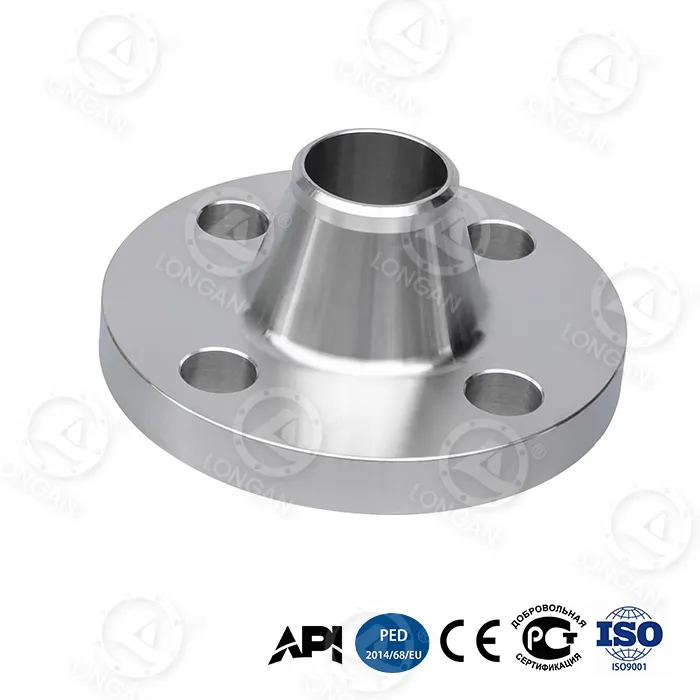
1. Weld Neck Big Size Flange
- Best for high-pressure and high-temperature systems
- Provides excellent stress distribution
- Commonly used in oil and gas pipelines
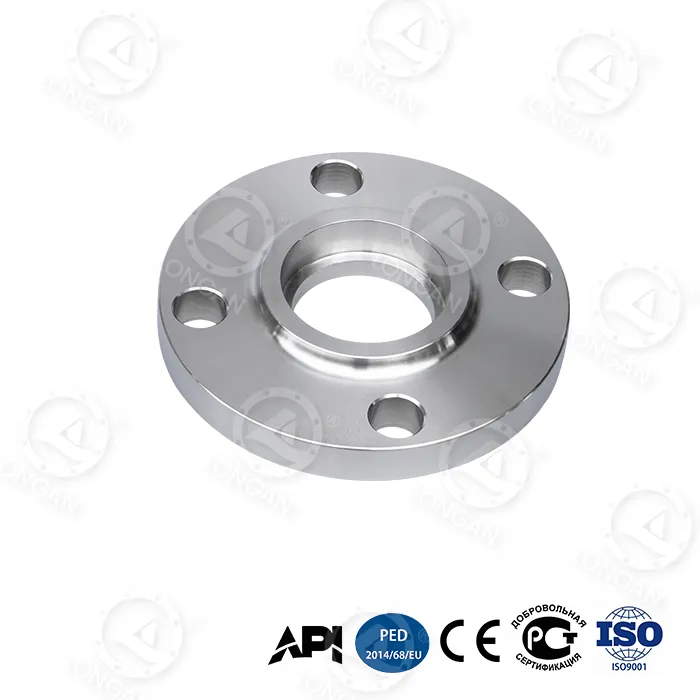
2. Slip-On Big Size Flange
- Easier to align and install
- Lower cost compared to weld neck flanges
- Suitable for moderate pressure applications
3. Blind Big Size Flange
- Used to close pipeline ends
- Allows future expansion
- Requires high material strength due to pressure load
4. Ring Type Joint (RTJ) Flange
- Metal-to-metal sealing
- Ideal for extreme pressure and temperature
- Often specified in critical systems
Material Selection for Big Size Flanges
Material selection directly affects flange performance, lifespan, and safety.
| Material | Key Properties | Typical Applications |
|---|---|---|
| Carbon Steel | High strength, cost-effective | Oil & gas pipelines |
| Stainless Steel | Corrosion resistance | Chemical and offshore systems |
| Alloy Steel | High temperature resistance | Power plants |
| Duplex Steel | Excellent strength and corrosion resistance | Marine environments |
Experienced manufacturers like Longan big size flange suppliers can recommend suitable materials based on project conditions.
International Standards and Specifications
Big size flanges must comply with recognized international standards to ensure compatibility and safety.
- ASME B16.5 / ASME B16.47
- EN 1092-1
- DIN Standards
- BS Standards
- GOST Standards
Compliance with these standards ensures dimensional accuracy, pressure ratings, and material traceability.
Key Factors When Choosing a Big Size Flange
When selecting a big size flange, consider the following critical factors:
- Nominal diameter and pressure rating
- Operating temperature
- Medium (oil, gas, water, chemicals)
- Installation environment
- Flange facing type
- Long-term maintenance requirements
Manufacturing and Quality Control
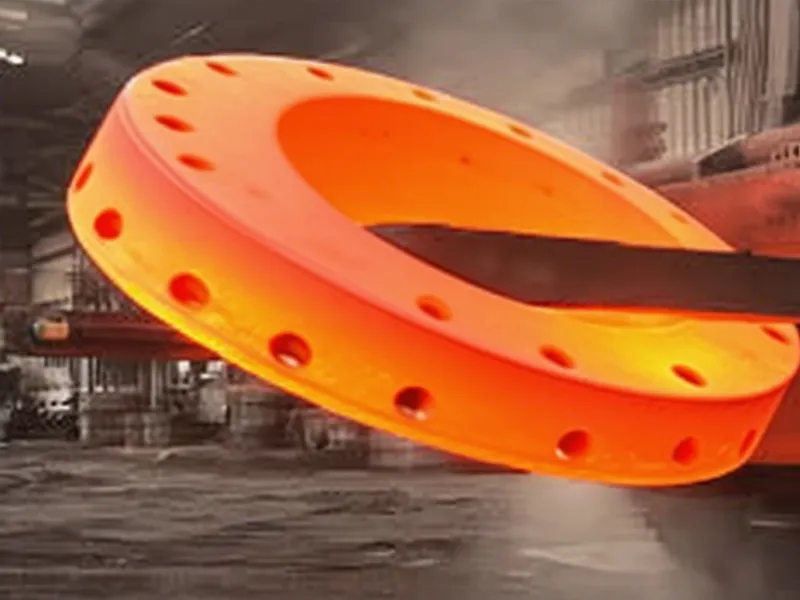
Due to their size and application, big size flanges require advanced manufacturing processes:
- Forging or rolled ring forging
- Precision CNC machining
- Non-destructive testing (UT, MT)
- Dimensional inspection
- Material certification (EN 10204 3.1 / 3.2)
Longan implements strict quality control procedures to ensure each big size flange meets international project requirements.
Installation Challenges and Best Practices
Installing big size flanges requires careful planning:
- Proper alignment to prevent leakage
- Controlled bolt tightening sequence
- Use of appropriate gaskets
- Allowance for thermal expansion
Big Size Flange vs Standard Flange
| Feature | Big Size Flange | Standard Flange |
|---|---|---|
| Diameter | DN600+ | DN15–DN500 |
| Manufacturing Complexity | High | Moderate |
| Application | Heavy industry | General piping |
Frequently Asked Questions (FAQ)
Q1: What is considered a big size flange?
A big size flange generally refers to flanges with diameters larger than DN600, often custom-made for large pipeline systems.
Q2: Are big size flanges custom manufactured?
Yes, most big size flanges are produced according to project-specific drawings and standards.
Q3: Which industries use big size flanges the most?
Oil & gas, power generation, petrochemical, offshore engineering, and water treatment industries.
Q4: How do I ensure flange quality?
Choose manufacturers like Longan that provide full material traceability, testing reports, and international certifications.
Choosing the right big size flange is a strategic decision that affects safety, efficiency, and long-term operational success. By working with experienced manufacturers such as Longan, you can ensure reliable performance for even the most demanding pipeline systems.
If you are planning a large-scale industrial project and need expert guidance or customized big size flange solutions, feel free to contact us today to discuss your requirements.