News

Why Is Super Duplex F53 Threaded Flange the Right Choice for Extreme-Pressure and Corrosive Piping Systems

2026-08-18 10:41:41

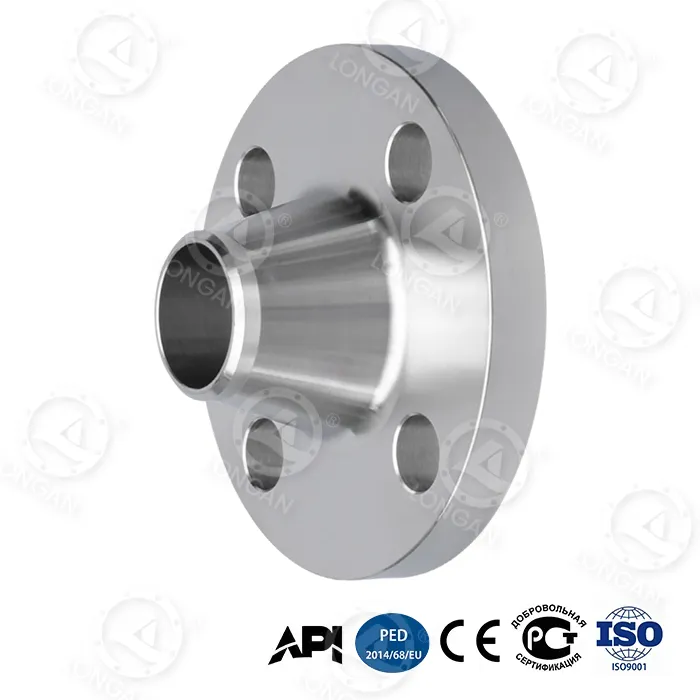
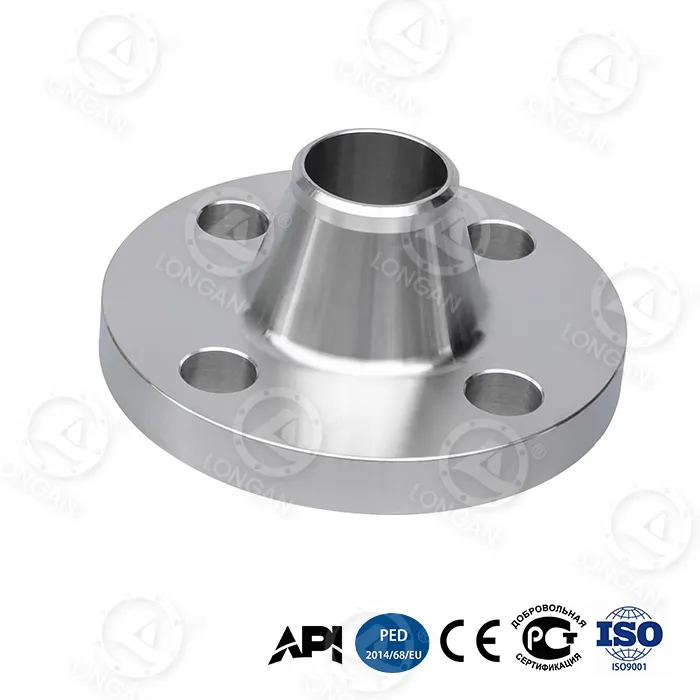
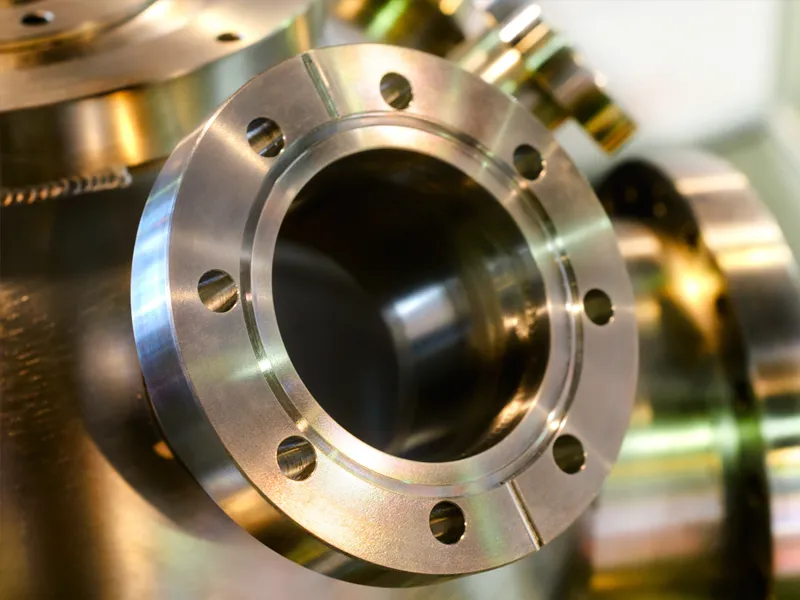
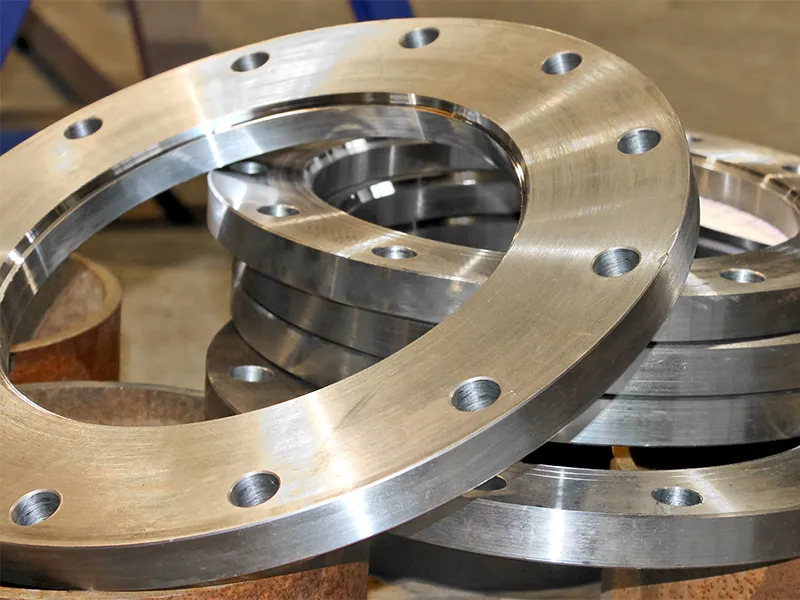
Super Duplex F53 Threaded Flange is designed for demanding piping systems where high pressure, corrosion resistance, and reliable mechanical connections are essential. As a specialized flange manufacturer, Longan supplies F53 threaded flange solutions engineered for aggressive industrial environments, including offshore, petrochemical, chemical processing, and high-pressure fluid systems.

When conventional stainless steel flanges are exposed to chloride-rich media, high pressure, or severe temperature fluctuations, corrosion, cracking, and connection failure can become major operational risks. Super Duplex F53 offers a combination of high mechanical strength and excellent resistance to localized corrosion.

A threaded configuration further provides a practical alternative where field welding is undesirable or difficult. This article explains the engineering characteristics, pressure performance, dimensional standards, installation advantages, applications, and selection considerations of Super Duplex F53 Threaded Flange. It also highlights how precision manufacturing and traceability can improve reliability for industrial buyers sourcing flanges from a China manufacturer or supplier.

Super Duplex F53 Threaded Flange

Table of Contents


What Is a Super Duplex F53 Threaded Flange?

A Super Duplex F53 Threaded Flange is a high-performance piping component manufactured from super duplex stainless steel and designed to connect threaded pipe sections to other flanged equipment, valves, or piping components. The F53 designation is commonly associated with UNS S32750 super duplex stainless steel, a material selected for demanding applications requiring high strength and corrosion resistance.

Unlike welded flange connections, the threaded configuration relies on precision-machined threads to create a mechanical connection. This can be particularly useful where welding equipment, welding procedures, or post-weld treatment would complicate installation.

The product supplied by Longan is engineered around a combination of a standardized flange face, precision threading, and a reinforced neck structure. According to the manufacturer's product information, the design is intended for severe mechanical and chemical conditions and can support systems rated up to Class 2500 / PN 420 when correctly specified and installed.


What Are the Main Engineering Advantages?

The value of F53 threaded flanges comes from the combination of material properties and connection design. For industrial procurement teams, several advantages deserve particular attention.

1. High Corrosion Resistance

Super duplex stainless steel provides strong resistance to pitting and crevice corrosion. Longan specifies a PREN value of at least 40 for its F53 threaded flange, supporting its suitability for aggressive environments where localized corrosion is a concern.

2. High Mechanical Strength

Super duplex steel combines characteristics of austenitic and ferritic stainless steels, providing high mechanical strength while maintaining strong corrosion resistance. This allows engineers to consider compact, robust flange configurations for demanding pressure applications.

3. Reduced Dependence on Field Welding

Improper welding of super duplex alloys can negatively affect corrosion resistance and metallurgical stability. A threaded connection eliminates the need for field welding at the pipe-to-flange joint, which can simplify installation in locations where controlled welding procedures are difficult to maintain.

4. Maintenance-Friendly Connection

Threaded connections can be disconnected without cutting a welded joint. This characteristic can be valuable for piping sections that require periodic inspection, cleaning, replacement, or maintenance.

  • Excellent resistance to localized corrosion
  • High tensile and mechanical strength
  • No field welding required for the threaded connection
  • Suitable for demanding pressure applications
  • Convenient for selected maintenance-intensive piping systems

How Does It Perform Under High Pressure and Extreme Temperatures?

Pressure and temperature capability are critical when selecting a flange for industrial service. A flange should never be selected solely by material name; engineers must consider the applicable pressure class, temperature, pipe dimensions, gasket, bolts, medium, and relevant design code.

Longan's product information lists a working-pressure capability of up to 299 bar and a stated temperature profile from -196°C to +700°C. These figures should be treated as product-specific reference values rather than universal design limits for every F53 flange configuration. Actual allowable pressure depends on the complete piping system and applicable engineering standards.

Performance Factor Reference Information Procurement Significance
Material Super Duplex F53 / S32750 High strength and corrosion resistance
Pressure Reference Up to 299 bar according to product information Suitable for selected high-pressure systems
Temperature Reference -196°C to +700°C Supports demanding temperature environments when correctly engineered
Pressure Class Class 2500 / PN 420 reference Suitable for high-pressure applications
Dimensional Standards ASME B16.5, EN 1092-1, JIS B2220 Improves equipment compatibility
Documentation ASTM A961/A105 and EN 10204 3.1/3.2 MTC references Supports material verification and traceability

For engineering projects, buyers should always request the applicable pressure-temperature rating, material certificate, dimensional drawing, and inspection documentation before final approval.


Which Standards and Specifications Should Buyers Consider?

Dimensional compatibility is essential when purchasing a threaded flange. Even a high-performance material cannot compensate for an incorrect flange face, bolt-hole pattern, bore, thickness, or pressure class.

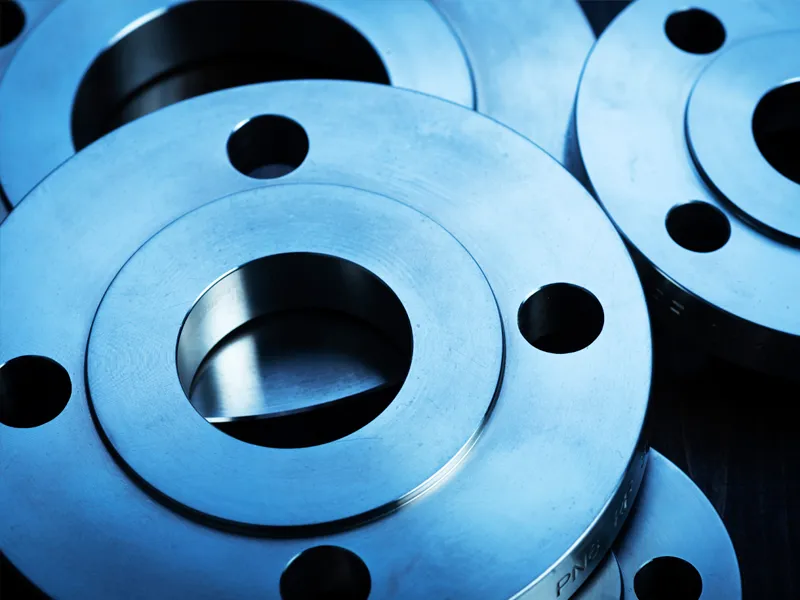
Longan states that its Super Duplex F53 Threaded Flange can be manufactured to dimensional requirements associated with ASME B16.5, EN 1092-1, and JIS B2220. These standards address different regional and engineering requirements, so the correct standard should be confirmed according to the project specification.

When requesting a quotation from a China flange supplier, buyers should clearly provide:

  • Nominal pipe size and flange size
  • Pressure class or PN rating
  • Flange facing type
  • Required material grade
  • Thread specification and dimensions
  • Applicable manufacturing standard
  • Inspection and testing requirements
  • Material certificates and traceability requirements

Where Is Super Duplex F53 Threaded Flange Used?

F53 is particularly valuable where corrosion resistance and mechanical strength must work together. Its application can therefore extend beyond conventional water or utility piping.

Offshore and Marine Systems

Offshore installations face chloride-rich environments, humidity, pressure fluctuations, and difficult maintenance conditions. Super duplex materials can provide an advantage where corrosion resistance is a major design consideration.

Oil and Gas Systems

High-pressure injection, process, and hydrocarbon-related piping can demand strong mechanical performance and resistance to aggressive media. A correctly specified F53 flange can provide a robust mechanical connection for appropriate systems.

Chemical Processing

Chemical plants often handle fluids that accelerate corrosion. Material selection is therefore a major part of equipment reliability. F53 can be considered where conventional stainless steel does not provide the desired resistance.

Desalination and High-Salinity Water Systems

Chloride exposure is a key consideration in desalination and seawater-related applications. Super duplex stainless steel is frequently considered for components requiring enhanced resistance to localized corrosion.

  • Offshore oil and gas facilities
  • Marine piping systems
  • High-pressure injection lines
  • Chemical processing equipment
  • Desalination systems
  • Corrosive fluid transportation systems

How Does the Threaded Connection Simplify Installation?

One of the most practical benefits of a threaded flange is the reduction of welding requirements during installation. Instead of establishing a welded pipe-to-flange joint, installers can use a precision-machined threaded connection according to the specified design.

This can be especially useful during maintenance or emergency repair work where hot-work permits, welding equipment, or controlled welding conditions may be difficult to arrange.

Longan's product information indicates that installation does not require standard welding equipment and can instead use a calibrated torque wrench according to the applicable engineering requirements. The company also describes the connection as suitable for repeated disassembly in maintenance-oriented applications.

However, threaded flanges are not automatically suitable for every pipe size, pressure, temperature, or service. Engineers should verify thread engagement, pressure rating, sealing arrangement, vibration conditions, and applicable codes before installation.


Why Are Manufacturing Control and Traceability Important?

For high-performance flange procurement, material selection is only one part of quality assurance. Dimensional accuracy, thread quality, forging control, heat treatment, inspection, and documentation all influence the final performance of the component.

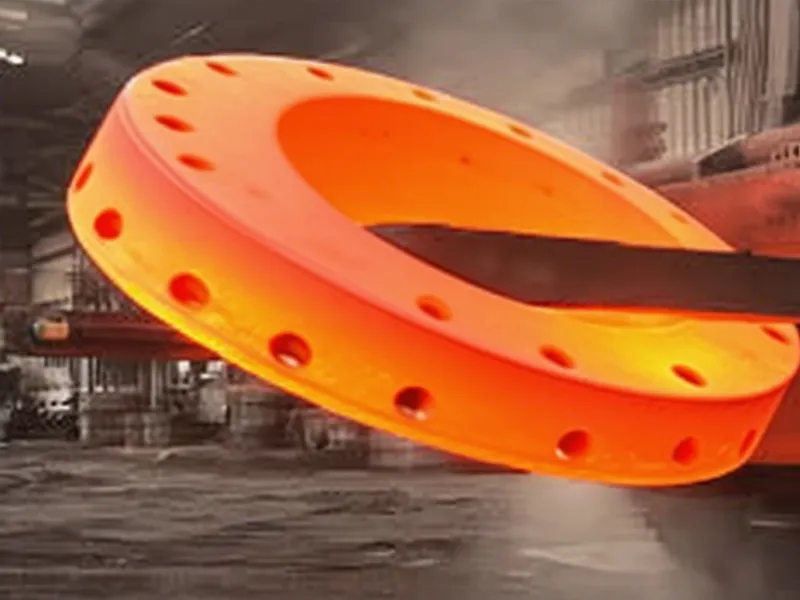
Longan states that its manufacturing workflow tracks products from forging through thread machining and dimensional validation using a digital production management process. The company also describes traceability intended to reduce manual data-entry errors and maintain product consistency.

For industrial buyers, a reliable supplier should be able to provide documentation appropriate to the project, such as:

  • Material Test Certificate (MTC)
  • Dimensional inspection records
  • Heat or batch traceability
  • Applicable testing documentation
  • Manufacturing standard confirmation
  • Product drawings and technical specifications

These documents are especially valuable for projects involving high-pressure equipment, offshore systems, chemical processing, or regulated industrial installations.


How Should Buyers Select the Right Flange?

Choosing the correct Super Duplex F53 Threaded Flange requires more than matching a product keyword. A professional purchasing process should connect the flange specification with the complete piping design.

Selection Item What to Verify
Material F53 / S32750 grade and required material certification
Size Nominal diameter, bore, thickness, and overall dimensions
Pressure Required pressure class and pressure-temperature rating
Facing RF, FF, RTJ, or another specified face configuration
Threads Thread type, pitch, dimensions, and compatibility
Standards ASME, EN, JIS, or project-specific requirements
Inspection MTC, dimensional inspection, NDT, and other required documentation

For procurement teams, working with an experienced China manufacturer can also simplify customized specifications, documentation review, production coordination, and international shipment preparation.


Frequently Asked Questions

What material is Super Duplex F53 Threaded Flange made from?

F53 commonly refers to Super Duplex stainless steel UNS S32750. It is selected for applications requiring high mechanical strength and enhanced resistance to pitting and crevice corrosion. The exact material designation and certification should be confirmed on the purchase documentation.

What pressure can a Super Duplex F53 Threaded Flange withstand?

Longan lists a reference working pressure of up to 299 bar and a Class 2500 / PN 420 application reference. Actual allowable pressure must be verified against the flange size, temperature, standard, material condition, and complete piping-system design.

Does a threaded flange require welding?

The threaded connection itself does not require field welding. This can simplify installation where welding is undesirable or difficult. Nevertheless, the complete piping design should be reviewed by qualified engineering personnel before installation.

Which standards can be used for this flange?

Longan identifies ASME B16.5, EN 1092-1, and JIS B2220 as dimensional references for its F53 threaded flange. Buyers should select the standard specified by their project or applicable local engineering requirements.

Is Super Duplex F53 suitable for offshore applications?

Its high strength and resistance to localized corrosion make F53 a strong candidate for selected offshore and marine applications. However, the actual suitability depends on the fluid composition, chloride concentration, pressure, temperature, mechanical loading, and project specifications.


Conclusion: Is Super Duplex F53 Threaded Flange a Smart Investment?

For high-pressure and corrosive piping systems, Super Duplex F53 Threaded Flange offers a compelling combination of corrosion resistance, mechanical strength, standardized dimensions, and a practical non-welded connection. Longan's product solution is designed for demanding industrial applications and supports international dimensional standards, technical documentation, and traceability requirements.

If you are sourcing Super Duplex F53 Threaded Flange for offshore, chemical, oil and gas, desalination, or other demanding applications, provide your required size, pressure class, facing, standard, thread specification, and documentation requirements. Contact us at Longan for technical consultation, specification confirmation, and a competitive quotation tailored to your project.

Related News
We use cookies to offer you a better browsing experience, analyze site traffic and personalize content. By using this site, you agree to our use of cookies. Privacy Policy
Reject Accept