Imagine a seawater intake system at a coastal power plant, pumping millions of liters of seawater daily for cooling. The piping system is subjected to one of the most corrosive environments known to man—saltwater, with its high chloride content, dissolved oxygen, and biological activity. Standard carbon steel flanges would corrode within months, leading to leaks, system failures, and costly downtime. Yet, in this harsh environment, stainless steel flanges perform reliably for decades, maintaining their structural integrity and sealing performance. The key lies in the unique properties of stainless steel, a family of alloys that resist corrosion through the formation of a passive, self-repairing oxide layer.
This article explores the reasons why stainless steel flanges are the preferred choice for seawater piping systems. We will examine the corrosion resistance mechanism of stainless steel, compare different grades (such as 304, 316, and duplex stainless steels), and discuss the specific alloying elements that enhance performance in chloride-rich environments. We will also cover the important factors of gasket selection, bolting torque, and installation practices that ensure a leak-free and long-lasting joint. Through a detailed analysis of the material science, engineering design, and practical application, we will demonstrate that stainless steel flanges offer a level of reliability and longevity that is essential for critical seawater infrastructure. At Wenzhou Longan Flange Co., Ltd., we have been manufacturing high-quality stainless steel flanges for over a decade, and we have seen firsthand how the right material selection can make the difference between a system that lasts for decades and one that fails within a few years.
Seawater is one of the most aggressive environments for metallic piping systems. It contains approximately 3.5% dissolved salts, primarily sodium chloride, along with magnesium, calcium, and potassium salts. These salts, combined with dissolved oxygen and biological activity, create a highly corrosive environment that attacks most metals. The chloride ions in seawater are particularly aggressive, as they can penetrate the protective oxide layers on many metals, initiating localized corrosion such as pitting, crevice corrosion, and stress corrosion cracking. Understanding the nature of this challenge is the first step in selecting the right flange material for a seawater piping system.
Seawater also supports a wide range of biological activity, including bacteria, algae, and barnacles. These organisms can attach to the metal surface, creating a biofilm that alters the local chemistry and accelerates corrosion. The combination of high salinity, dissolved oxygen, and biological activity creates a highly corrosive environment that demands a material with exceptional corrosion resistance. For a piping system that is designed to last for 20-30 years or more, the selection of the right material is not just a matter of cost; it is a matter of ensuring the long-term reliability and safety of the infrastructure.
Carbon steel, the most common material for industrial piping, is highly susceptible to corrosion in seawater. Carbon steel flanges will pit, corrode, and fail within a few years. Even with protective coatings and cathodic protection, carbon steel flanges are vulnerable to corrosion at the sealing surfaces and in the crevices between the flange and the gasket. The failure of a carbon steel flange in a seawater system can lead to leaks, contamination, and costly downtime. This is why carbon steel flanges are not recommended for seawater applications. Other materials, such as copper-nickel alloys and titanium, offer excellent corrosion resistance in seawater but are significantly more expensive. Stainless steel flanges offer a cost-effective and reliable solution that provides excellent corrosion resistance without the high cost of exotic alloys.
At Wenzhou Longan Flange Co., Ltd., we understand the challenges posed by seawater. Our stainless steel flanges are designed and manufactured to withstand these harsh conditions, providing our customers with a reliable and long-lasting solution. By selecting the right grade of stainless steel and following the appropriate manufacturing and installation procedures, a stainless steel flange can provide decades of reliable service in a seawater environment. The following sections will explore the specific properties and design features that make stainless steel flanges ideal for this demanding application.
Stainless steel's resistance to corrosion is not an inherent property of the iron-chromium alloy; it is the result of a thin, invisible, and self-repairing oxide layer that forms on the surface. This layer, known as the passive film, is primarily composed of chromium oxide (Cr₂O₃) and is only a few atoms thick. It is this film that protects the underlying metal from corrosion. The passive film is formed spontaneously when stainless steel is exposed to oxygen, and it is this film that provides the material with its "stainless" quality. In seawater, the passive film is constantly under attack by chloride ions, which can penetrate the film and initiate localized corrosion.
The key to stainless steel's performance in seawater is the composition of the alloy. The addition of chromium, nickel, molybdenum, and nitrogen enhances the stability of the passive film and increases the material's resistance to the aggressive chloride ions. Chromium is the primary alloying element, and its addition to steel is what makes it "stainless." A minimum of 10.5% chromium is required for the passive film to form, but higher levels (16-18%) are needed for good seawater resistance. Nickel is added to increase the stability of the passive film and improve the material's ductility. Molybdenum is a particularly important alloying element for seawater resistance, as it enhances the passive film's resistance to chloride attack and improves resistance to pitting and crevice corrosion.
To understand this mechanism, imagine a building with a constantly self-repairing outer coating. If the coating is scratched, the damage is immediately repaired by a chemical reaction with the air. This is the nature of the passive film. The film repairs itself almost instantaneously, ensuring that the material remains protected. This self-repairing ability is a critical feature of stainless steel, as it means that minor scratches or damage to the surface will not lead to catastrophic corrosion. The film will quickly reform, protecting the underlying material from further attack. At Wenzhou Longan Flange Co., Ltd., we manufacture stainless steel flanges with a high surface finish that maximizes the integrity of the passive film. A smooth surface provides a more robust and stable passive film, reducing the risk of crevice corrosion.
Not all stainless steels are suitable for use in seawater. The specific grade selected must be able to resist the aggressive chloride attack and maintain its integrity over the service life of the system. The most common grades of stainless steel used for seawater flanges are 316, 316L, and the duplex stainless steels (such as 2205 and 2507). These grades offer varying levels of corrosion resistance, mechanical strength, and cost. The selection of the appropriate grade depends on the specific application conditions, such as temperature, pressure, and the presence of biological activity.
Grade 316 stainless steel is a popular choice for many seawater applications. It contains molybdenum (typically 2-3%), which enhances its resistance to pitting and crevice corrosion. 316L is the low-carbon version of 316, which provides improved weldability and resistance to intergranular corrosion. 316L is the most common grade used for seawater flanges, as it provides a good balance of corrosion resistance, cost, and weldability. However, for more aggressive applications, such as high-temperature seawater or areas with high biological activity, a duplex stainless steel may be required. Duplex stainless steels, such as 2205 and 2507, have a two-phase microstructure (austenite and ferrite) that offers both high strength and excellent corrosion resistance. They are particularly well-suited for applications involving high chloride concentrations, high temperatures, and high stresses.
The table below compares the key properties of different stainless steel grades for seawater flange applications.
| Grade | Corrosion Resistance | Pitting Resistance Equivalent (PRE) | Relative Cost | Typical Applications |
| 304 | Moderate | 18-20 | Low | Freshwater, low-chloride environments |
| 316L | Good | 24-26 | Medium | Seawater, moderate temperatures, low biological activity |
| 2205 (Duplex) | Excellent | 34-38 | High | High-chloride, high-temperature, high-stress environments |
| 2507 (Super Duplex) | Superior | 42-45 | Very High | Extreme environments, high temperatures, offshore |
The Pitting Resistance Equivalent (PRE) is a calculated value that provides a measure of the material's resistance to pitting corrosion. It is based on the percentages of chromium, molybdenum, and nitrogen in the alloy. A higher PRE number indicates better resistance to pitting. 316L has a PRE of 24-26, which is adequate for many seawater applications. 2205 has a PRE of 34-38, providing superior resistance, making it suitable for more demanding applications. For the most aggressive seawater environments, such as those found in offshore oil and gas platforms, a super duplex grade such as 2507 is often required. The choice of grade should be based on the specific conditions of the application. Our factory at Wenzhou Longan Flange Co., Ltd. can provide expert guidance on the selection of the appropriate grade for your specific needs.
Beyond the material selection, the design and surface finish of the flange play a critical role in ensuring long-term performance in seawater environments. The flange design must provide a reliable seal, resist gasket creep, and minimize stress concentrations that could lead to corrosion or fatigue. The surface finish of the flange facing is particularly important, as it affects the sealing performance and the resistance to crevice corrosion. A rough or uneven flange face can create crevices where chloride ions can concentrate, initiating crevice corrosion. The surface finish also affects the gasket's ability to conform to the flange face, which is essential for a leak-free seal.
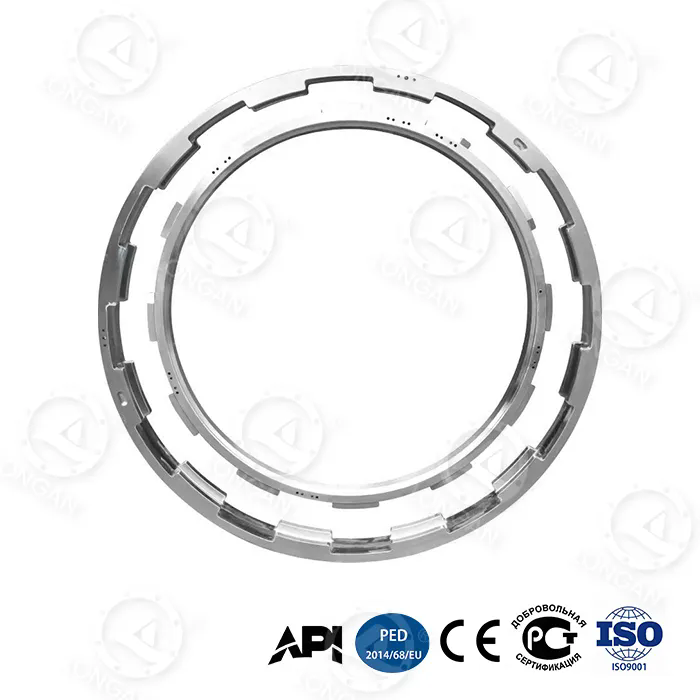
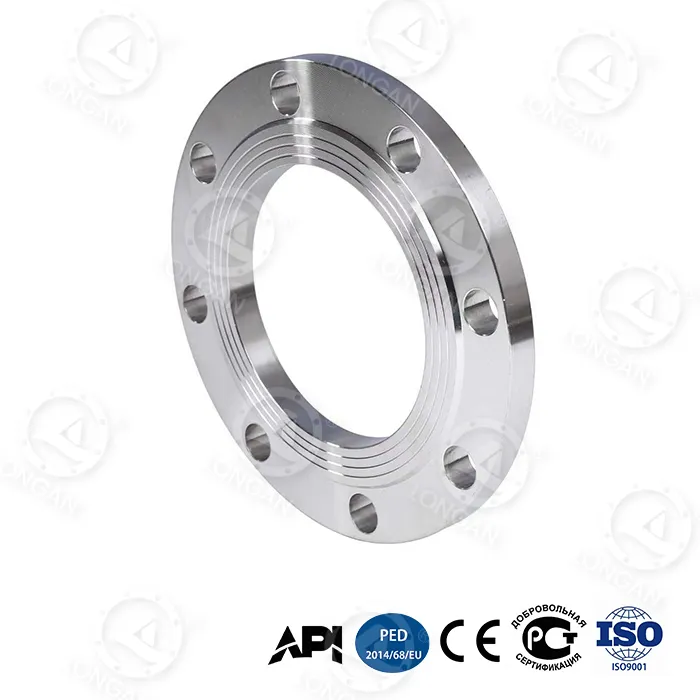
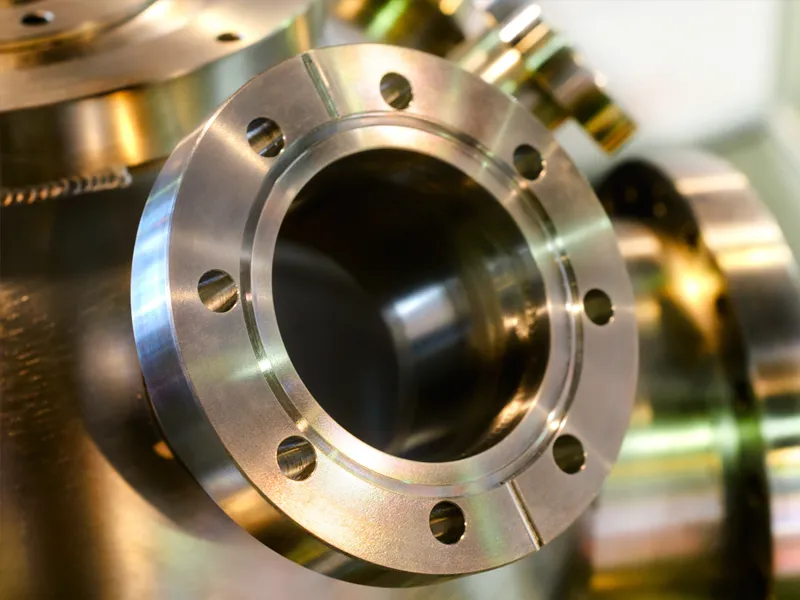
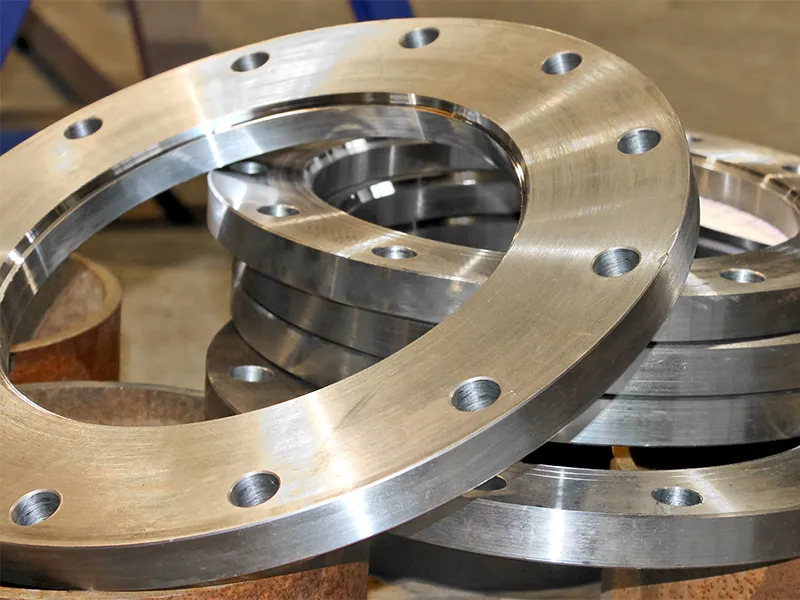
There are several types of flange facing, each designed for a specific sealing application. The most common facing for seawater piping is the raised face (RF) flange, which features a raised sealing surface that concentrates the gasket load. The ring-type joint (RTJ) flange uses a metal ring gasket and is designed for high-pressure, high-temperature applications. The surface finish of the flange facing must be appropriate for the type of gasket used. For a typical RF flange with a spiral wound gasket, a surface finish of 125-250 micro-inches (Ra 3.2-6.3 µm) is recommended. A smooth surface, such as a 63-125 micro-inch finish, is often used for critical applications, as it provides a better seal.
The flange design must also consider the need for cathodic protection. In some seawater piping systems, the flanges may be subjected to cathodic protection, which is an electrical method of corrosion control. The flange must be designed to accommodate the electrical connections required for cathodic protection. Proper design and surface finish are essential for the long-term reliability of a stainless steel flange in seawater. Our factory at Wenzhou Longan Flange Co., Ltd. offers a range of flange types and surface finishes to meet the specific requirements of our customers. We can also provide custom flanges with special facings or surface finishes for unique applications. A well-designed flange with a high-quality surface finish will provide years of trouble-free service.
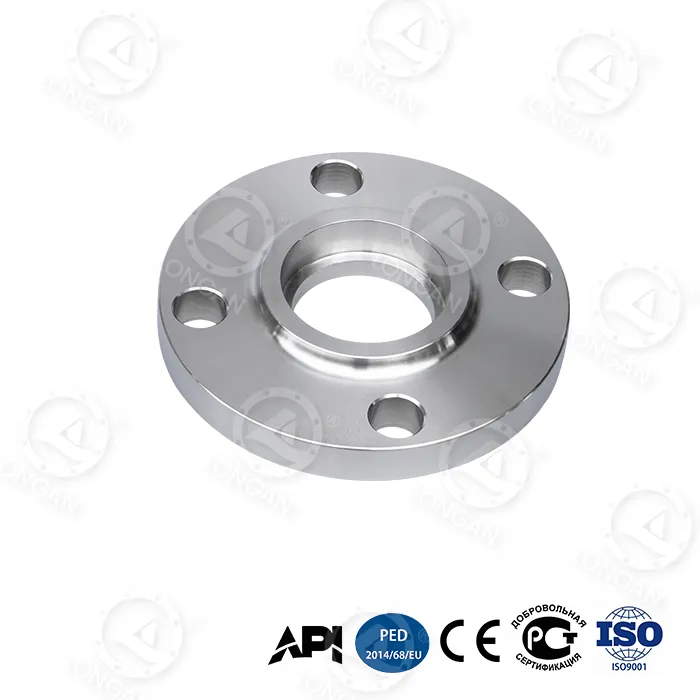
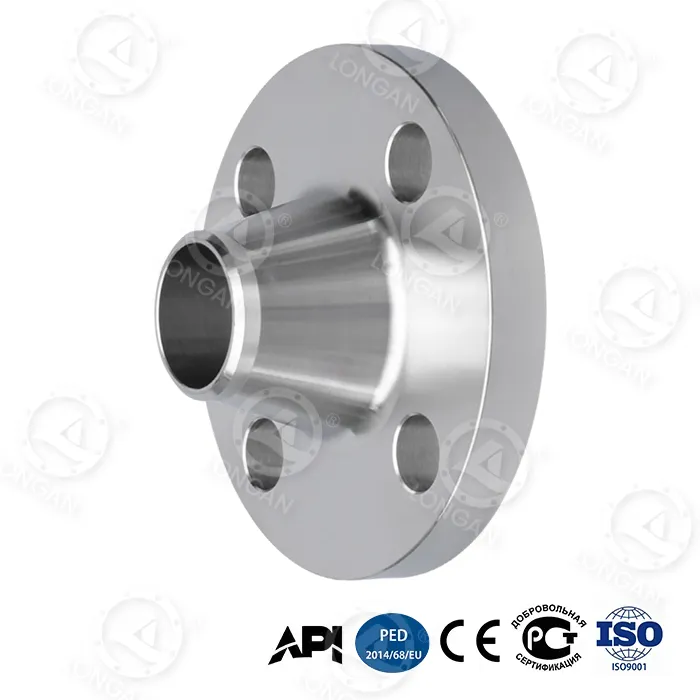
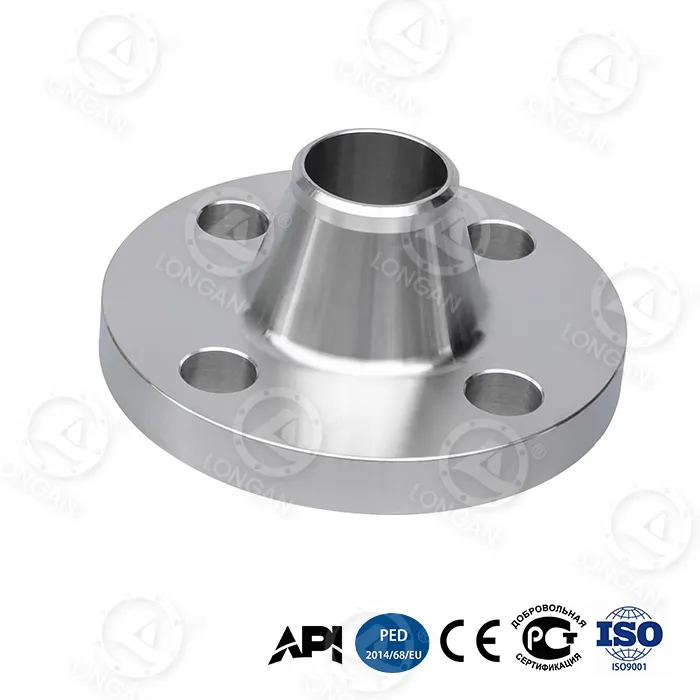
In addition to the facing, the physical design of the flange also matters. For flanges in seawater service, it is important to avoid sharp corners, crevices, and other design features that can trap seawater and promote localized corrosion. The flange should have smooth transitions, and the bolts and nuts should be made of a compatible material to prevent galvanic corrosion. The use of a stainless steel flange with a smooth, corrosion-resistant surface ensures a reliable and long-lasting connection. By paying attention to both the material and the design, engineers can ensure that their stainless steel flanges will perform reliably in the harsh seawater environment.
Proper installation is just as important as material selection and design. Even the highest-quality stainless steel flange will fail if it is not installed correctly. The installation process involves several critical steps, including: cleaning the flange faces, selecting the correct gasket, applying the correct bolting torque, and following the correct tightening sequence. Each of these steps is essential for ensuring a leak-free joint and preventing premature corrosion. When installing a stainless steel flange in a seawater environment, it is important to take extra care to avoid contamination and damage that could compromise the passive film.
The first step is to thoroughly clean the flange faces. Any dirt, grease, or debris can prevent the gasket from sealing properly and can create crevices for corrosion to start. The flange faces should be cleaned with a suitable solvent and a lint-free cloth. The next step is to select the correct gasket. For seawater applications, a spiral wound gasket with a stainless steel outer ring and a graphite filler is a common choice. The gasket must be compatible with the flange material and the operating conditions. The correct gasket thickness and dimensions must be selected to ensure a proper seal.
The bolting is the most critical part of the installation. The bolts must be tightened to the correct torque, which is specified by the flange manufacturer and the gasket manufacturer. Overtightening can damage the flange or the gasket, while undertightening can lead to leakage. The correct torque is determined by the size of the bolts, the material of the bolts, and the gasket requirements. It is also essential to follow the correct tightening sequence. For a typical flange, the bolts should be tightened in a star pattern to ensure even loading across the flange face. Using a calibrated torque wrench is essential for achieving the correct torque. This process is known as controlled bolting, and it is a critical step in achieving a leak-free and reliable joint.
At Wenzhou Longan Flange Co., Ltd., we provide our customers with detailed installation guidelines for our stainless steel flanges. We can also provide training on the correct installation techniques. By following these guidelines, our customers can ensure that their flanges perform reliably and last for their intended service life. The installation process is a critical factor in the long-term performance of a stainless steel flange. A careful installation can prevent leaks, extend the life of the joint, and ensure the safety and reliability of the piping system.
To fully appreciate the value of stainless steel flanges for seawater piping, it is helpful to compare them to alternative materials. The most common alternatives are carbon steel, copper-nickel alloys, titanium, and various plastic materials. Carbon steel is the least expensive option, but it is also the least corrosion-resistant. Carbon steel flanges will corrode rapidly in seawater, often failing within a few years. The cost of replacing a carbon steel flange, including the labor, materials, and downtime, far outweighs the initial cost savings. For applications where corrosion resistance is a priority, carbon steel is not a viable option.
Copper-nickel alloys, such as 90/10 Cu-Ni, offer excellent corrosion resistance in seawater and are widely used in marine applications. However, they are significantly more expensive than stainless steel and are not as readily available. The higher cost of copper-nickel alloys often makes stainless steel a more economical choice for many applications. Titanium offers superior corrosion resistance in seawater, but it is also very expensive and difficult to machine. It is typically reserved for applications where the highest corrosion resistance is required, such as in heat exchangers or chemical processing. Plastic flanges, such as those made from PVC or CPVC, are lightweight and corrosion-resistant, but they have limited strength and temperature capabilities. They are often used in low-pressure, low-temperature applications. Stainless steel flanges offer an excellent balance of corrosion resistance, strength, and cost, making them the preferred choice for the vast majority of seawater piping applications.
The table below provides a summary comparison of the key properties of different flange materials for seawater applications.
| Material | Corrosion Resistance | Strength | Cost | Typical Applications |
| Carbon Steel | Poor | High | Low | Freshwater, non-corrosive |
| 316L Stainless | Good | High | Medium | Seawater, moderate conditions |
| 90/10 Cu-Ni | Excellent | Moderate | High | Marine, heat exchangers |
| Titanium | Superior | High | Very High | Extreme conditions |
| PVC/CPVC | Excellent | Low | Low | Low-pressure, low-temperature |
Stainless steel flanges, particularly those made from 316L or duplex grades, offer an excellent balance of properties for seawater piping. They provide good corrosion resistance, high strength, and moderate cost. They are available in a wide range of sizes and pressure ratings, making them suitable for a wide range of applications. At Longan Flange, we specialize in the manufacture of stainless steel flanges for seawater applications. Our flanges are designed and manufactured to the highest standards, ensuring long-term reliability and performance. For most seawater piping applications, a stainless steel flange is the ideal choice, offering the best balance of performance and cost.
Question 1: What is the best stainless steel grade for seawater flanges?
Answer: The best stainless steel grade for seawater flanges depends on the specific application conditions. For most seawater applications, 316L is a reliable and cost-effective choice. For more aggressive environments, such as higher temperatures or higher chloride concentrations, a duplex stainless steel (e.g., 2205) may be required. For the most extreme conditions, such as offshore oil and gas applications, a super duplex grade (e.g., 2507) is often recommended. Our factory at Longan Flange can provide expert guidance to help you select the right grade for your specific needs.
Question 2: Can 304 stainless steel be used for seawater flanges?
Answer: 304 stainless steel is not recommended for seawater flanges due to its susceptibility to pitting and crevice corrosion in chloride environments. 304 has a lower molybdenum content (0%) compared to 316 (2-3%), which makes it less resistant to chloride attack. While 304 may be acceptable for freshwater or low-chloride environments, it will corrode rapidly in seawater. For seawater applications, we strongly recommend using 316L or a higher grade.
Question 3: What is the difference between 316 and 316L stainless steel?
Answer: The primary difference between 316 and 316L is the carbon content. 316 has a higher carbon content (max 0.08%) while 316L has a lower carbon content (max 0.03%). The lower carbon content in 316L makes it more resistant to intergranular corrosion after welding. For seawater applications, 316L is the preferred choice because it provides improved weldability and resistance to sensitization, which is a process that can lead to corrosion in the heat-affected zone of a weld.
Question 4: What type of gasket is recommended for a stainless steel flange in seawater service?
Answer: For a stainless steel flange in seawater service, we recommend a spiral wound gasket with a stainless steel outer ring and a flexible graphite filler. This type of gasket provides excellent sealing performance, is resistant to corrosion, and can handle the thermal cycling typical of seawater applications. The gasket must be compatible with the flange material and the operating conditions. The correct gasket thickness and dimensions must be selected to ensure a proper seal. Our factory can provide guidance on the correct gasket selection for your application.
Question 5: Are stainless steel flanges suitable for high-pressure seawater applications?
Answer: Yes, stainless steel flanges are suitable for high-pressure seawater applications. The strength and pressure rating of the flange are determined by the design, material, and dimensions. For high-pressure applications, a flanged connection with a higher pressure rating (e.g., ANSI Class 600 or higher) may be required. The flange must be designed and manufactured to withstand the specific pressure and temperature conditions of the application. Our factory can provide flanges that are rated for high-pressure seawater applications.
Stainless steel flanges are the ideal choice for seawater piping systems. Their exceptional corrosion resistance, derived from the self-repairing passive film, provides long-term reliability in the aggressive chloride environment. The careful selection of the appropriate grade (such as 316L or duplex stainless steel), combined with proper design, surface finish, and installation, ensures a leak-free and durable connection. The benefits of stainless steel flanges extend beyond their material properties; they also offer a cost-effective solution compared to more exotic alloys, making them the preferred choice for the vast majority of seawater applications. By investing in high-quality stainless steel flanges, engineers and operators can ensure the long-term integrity and safety of their seawater infrastructure.
At Wenzhou Longan Flange Co., Ltd., we are committed to providing our customers with the highest quality stainless steel flanges for seawater applications. We offer a comprehensive range of flanges, including 316L, duplex, and super duplex grades, in a variety of sizes and pressure ratings. Our flanges are manufactured to the highest standards, ensuring reliable performance in the most demanding environments. We also provide expert technical support, helping our customers select the right flange and installation procedures for their specific needs.
Contact Wenzhou Longan Flange Co., Ltd. today to learn more about our stainless steel flanges for seawater piping applications.
TradeManager
Skype
VKontakte