News

How Does a Convex Flange Improve Industrial Piping Performance and Connection Reliability

2026-07-27 08:57:03

Abstract: Convex Flange is an essential piping component designed to enhance sealing performance, connection stability, and pressure resistance in industrial systems. As a professional flange manufacturer, Longan provides high-quality convex flange solutions engineered for petrochemical, chemical processing, power generation, and pipeline applications. This article explains the structure, advantages, manufacturing process, applications, and selection considerations of convex flanges to help engineers and buyers make informed decisions.

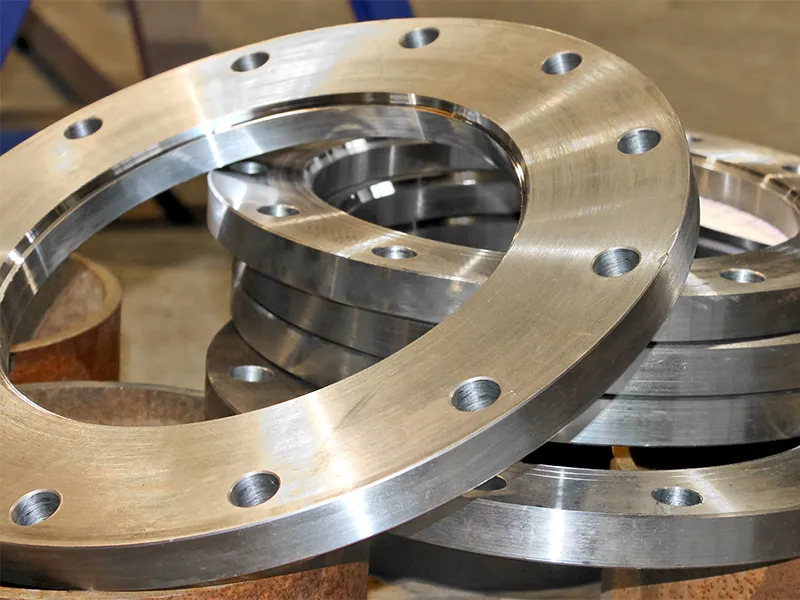
Convex Flange

Table of Contents


What Is a Convex Flange and How Does It Work?

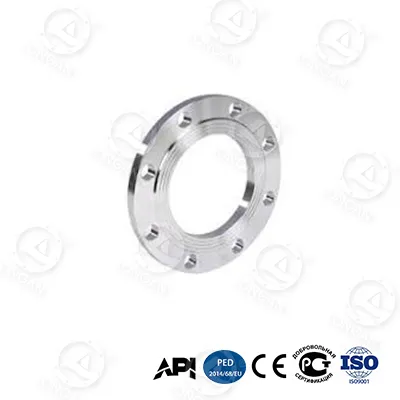
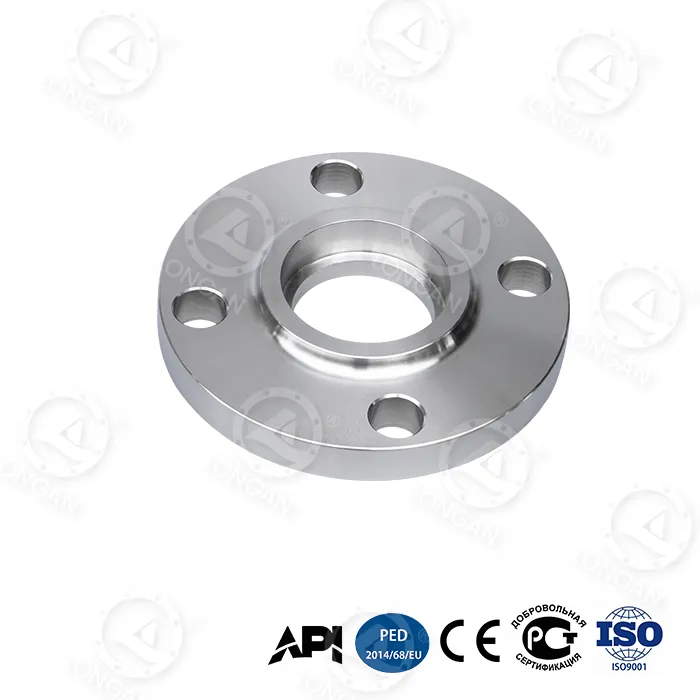
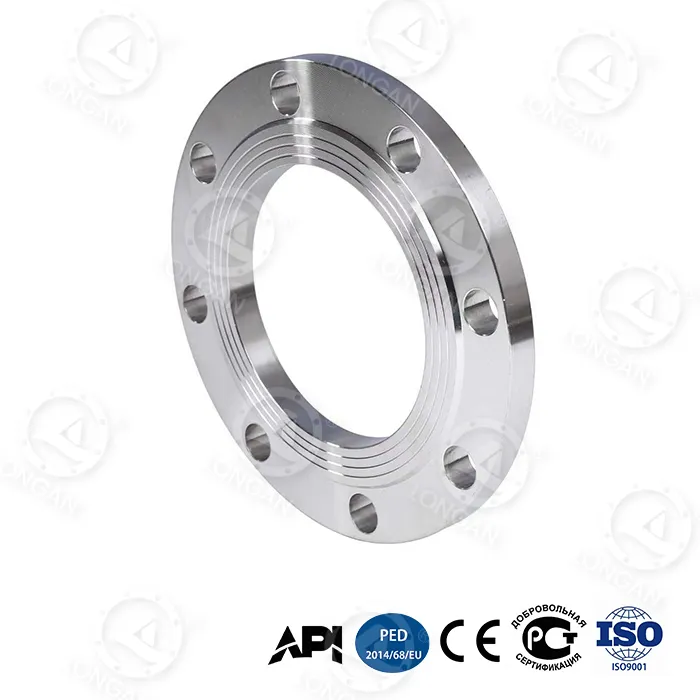
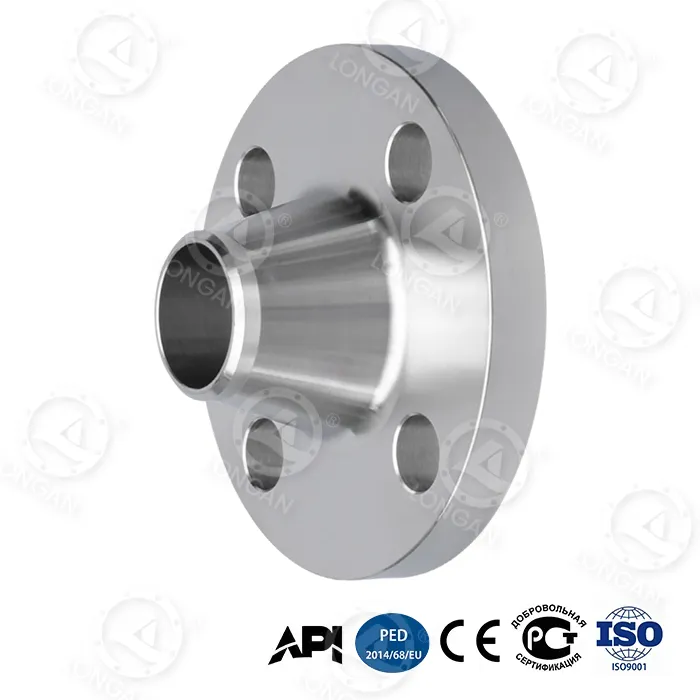
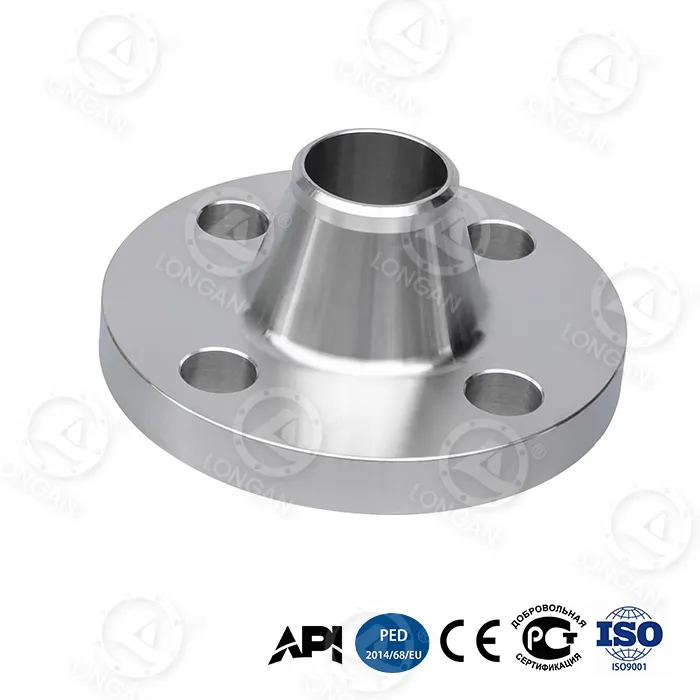
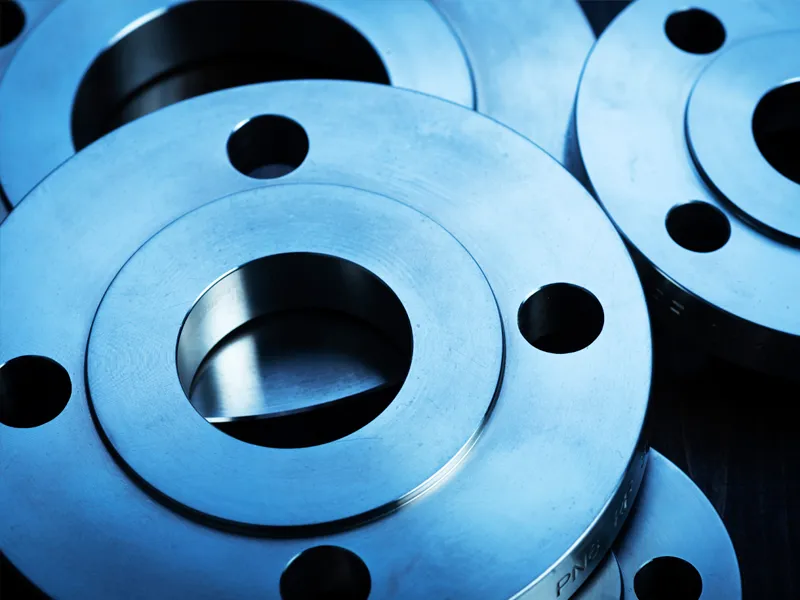
A Convex Flange is a specialized pipe connection component featuring a raised sealing surface, which allows better contact pressure between the flange faces and gasket. Unlike flat flange designs, the convex structure concentrates sealing force within a smaller area, improving leak prevention and connection reliability under high-pressure working conditions.

The raised face design helps create a stronger mechanical seal by compressing the gasket effectively when bolts are tightened. This structure is widely adopted in industrial piping systems where safety, durability, and stable operation are critical.

A typical convex flange consists of several important parts:

  • Raised sealing surface for improved gasket compression
  • Bolt holes designed for secure installation
  • Flange neck or body section providing structural strength
  • Connection surface manufactured according to international standards

What Are the Key Features and Advantages of Convex Flange?

High-performance convex flanges offer multiple advantages that make them suitable for demanding industrial environments. Their engineering design improves both operational safety and maintenance efficiency.

Feature Description Industrial Benefit
Raised Face Design The sealing surface is elevated above the flange body. Provides stronger gasket compression and reduces leakage risks.
High Pressure Resistance Manufactured with durable materials and precise dimensions. Suitable for high-pressure pipeline systems.
Excellent Sealing Performance Improves contact between gasket and flange surfaces. Enhances system reliability and reduces downtime.
Flexible Material Options Available in stainless steel, carbon steel, alloy steel, and other materials. Supports different operating environments.
Easy Installation Designed for standard bolted connections. Reduces installation time and maintenance costs.

The main benefits of using convex flanges include:

  • Improved sealing capability compared with flat flange designs
  • Better performance under temperature and pressure fluctuations
  • Long service life with proper material selection
  • Compatibility with various industrial piping systems
  • Reduced maintenance frequency and operating risks

How Is a High-Quality Convex Flange Manufactured?

The manufacturing process directly affects the strength, accuracy, and service life of a convex flange. Professional manufacturers usually follow strict production procedures to ensure consistent product quality.

1. Material Selection

High-quality raw materials are selected according to application requirements. Common materials include carbon steel, stainless steel, and alloy steel, which provide different levels of corrosion resistance and mechanical strength.

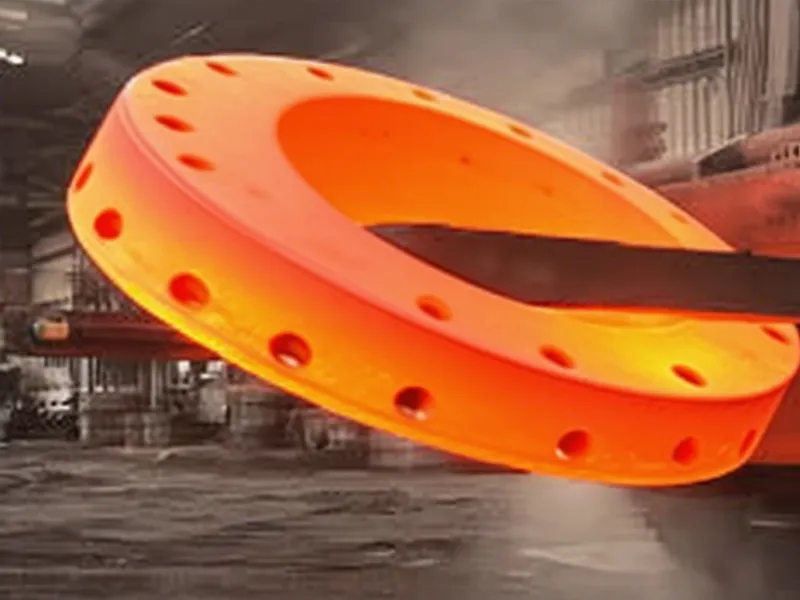
2. Forging and Forming

Forging technology improves the internal structure of the metal and enhances mechanical properties. The flange blank is shaped under controlled pressure to achieve excellent strength and durability.

3. Precision Machining

Advanced machining equipment is used to process bolt holes, sealing surfaces, and connection dimensions. Accurate machining ensures proper installation and reliable sealing performance.

4. Quality Inspection

Before delivery, convex flanges undergo dimensional inspection, surface testing, and pressure-related quality checks to confirm that they meet industrial requirements.


Where Are Convex Flanges Commonly Used?

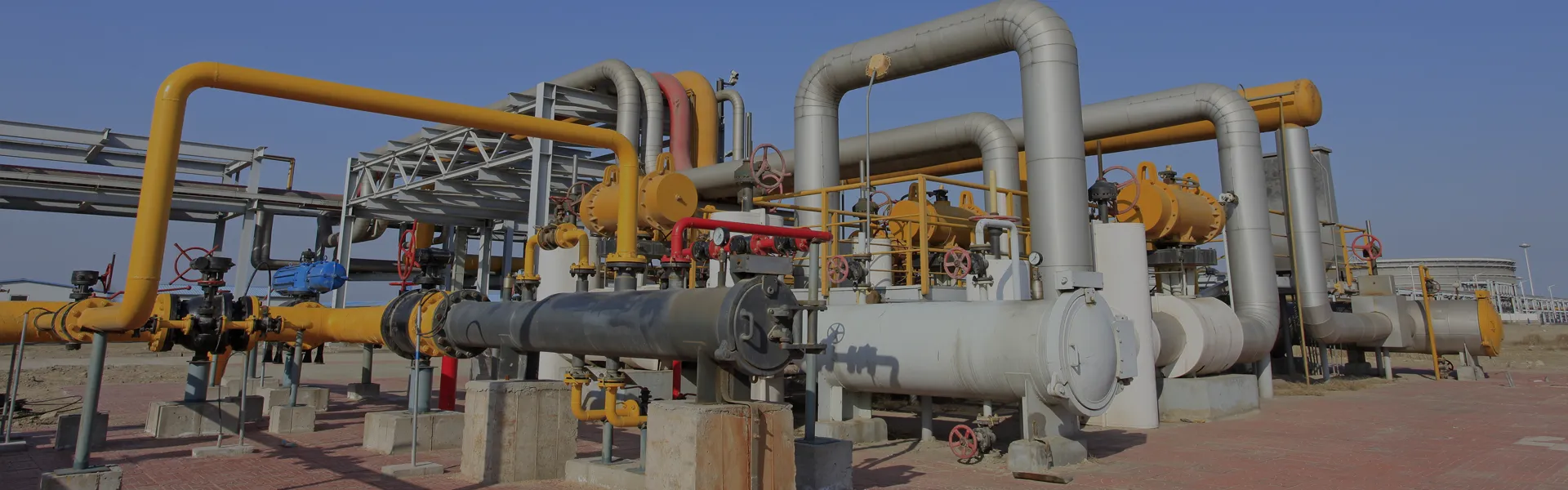
Because of their reliable sealing performance and mechanical strength, convex flanges are widely applied across multiple industries.

  • Petroleum and Natural Gas Industry: Used in pipelines, refining equipment, and transmission systems.
  • Chemical Processing: Suitable for systems transporting corrosive or high-temperature fluids.
  • Power Generation: Applied in steam pipelines, cooling systems, and energy equipment.
  • Marine Engineering: Used for reliable pipe connections in harsh marine environments.
  • Water Treatment: Provides stable connections for large-scale fluid transportation systems.

For projects requiring customized flange dimensions, pressure ratings, or special materials, professional suppliers can provide engineering support and customized solutions.


How to Choose the Right Convex Flange for Industrial Projects?

Selecting the correct convex flange requires consideration of several technical factors. Choosing an unsuitable flange may lead to sealing problems, installation difficulties, or premature failure.

Selection Factor Important Consideration
Material Select suitable materials according to corrosion resistance, temperature, and pressure requirements.
Pressure Rating Ensure the flange can withstand the maximum operating pressure of the system.
Size and Standard Confirm compatibility with existing pipelines and international flange standards.
Application Environment Consider chemical exposure, temperature changes, and outdoor conditions.

Working with an experienced China flange supplier helps buyers obtain reliable products with accurate specifications, stable quality, and professional technical assistance.


Convex Flange vs Other Flange Types

Flange Type Main Feature Suitable Application
Convex Flange Raised sealing face for enhanced gasket pressure. High-pressure and industrial piping systems.
Flat Flange Flat sealing surface with simple structure. Low-pressure applications.
Blind Flange Used to close pipeline ends. Pipeline isolation and maintenance.
Weld Neck Flange Strong welded connection design. High-stress piping environments.

Frequently Asked Questions About Convex Flange

1. What is the main purpose of a convex flange?

The main purpose of a convex flange is to create a secure and leak-resistant connection between pipes, valves, and industrial equipment. Its raised sealing surface improves gasket compression and enhances connection reliability.

2. Which materials are commonly used for convex flanges?

Common materials include stainless steel, carbon steel, and alloy steel. The ideal material depends on factors such as corrosion exposure, operating temperature, and pressure conditions.

3. Are convex flanges suitable for high-pressure systems?

Yes. Due to their raised face structure and strong mechanical design, convex flanges are widely used in high-pressure applications including oil, gas, chemical, and power industries.

4. How can buyers ensure convex flange quality?

Buyers should select manufacturers with professional production capabilities, strict quality control systems, advanced machining technology, and experience supplying industrial flange solutions.


Conclusion

A Convex Flange plays an important role in modern industrial piping systems by providing reliable sealing performance, excellent pressure resistance, and long-term operational stability. From material selection and precision manufacturing to application requirements, every detail influences the final performance of the flange. Choosing an experienced supplier ensures better product quality, technical support, and project reliability.

If you are looking for durable convex flange solutions with customized specifications, professional manufacturing support, and dependable industrial service, please contact us today. Our experienced team is ready to provide suitable flange products and technical solutions for your specific application requirements.

Related News
We use cookies to offer you a better browsing experience, analyze site traffic and personalize content. By using this site, you agree to our use of cookies. Privacy Policy
Reject Accept