News

How Can a Class 150 Threaded Flange Improve Pipeline Safety and Connection Efficiency

2026-07-17 09:12:37

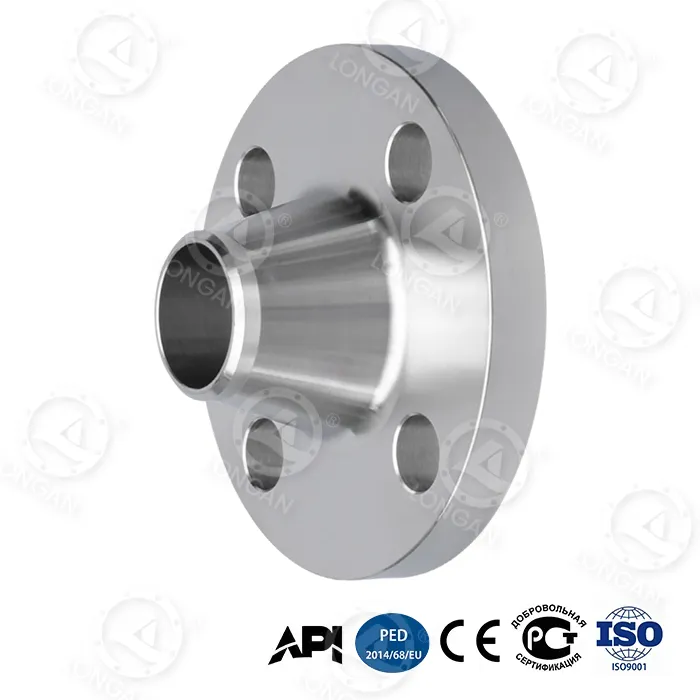
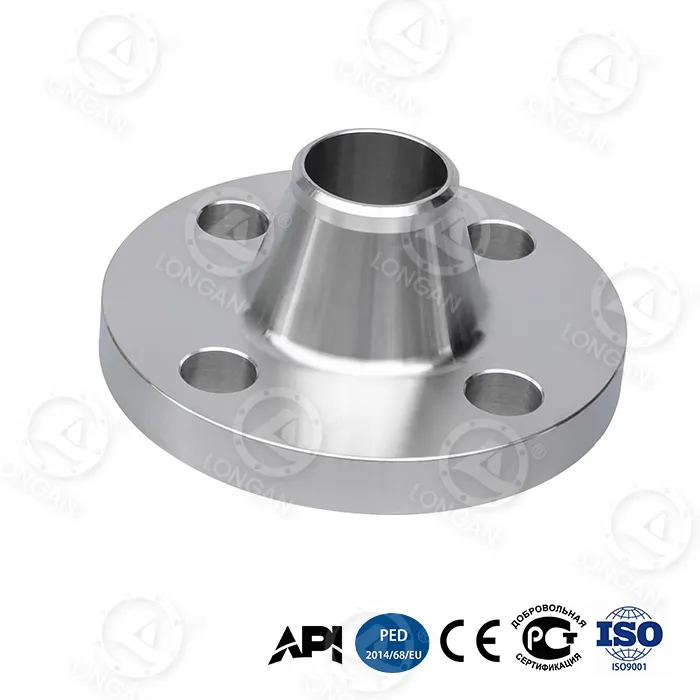
When industries require reliable and easy-to-install piping connections, the Class 150 Threaded Flange has become a preferred solution for low to medium pressure applications. As an experienced flange manufacturer, Longan provides high-quality threaded flange solutions designed for industrial piping systems, offering excellent sealing performance, dimensional accuracy, and long-term durability for global customers.

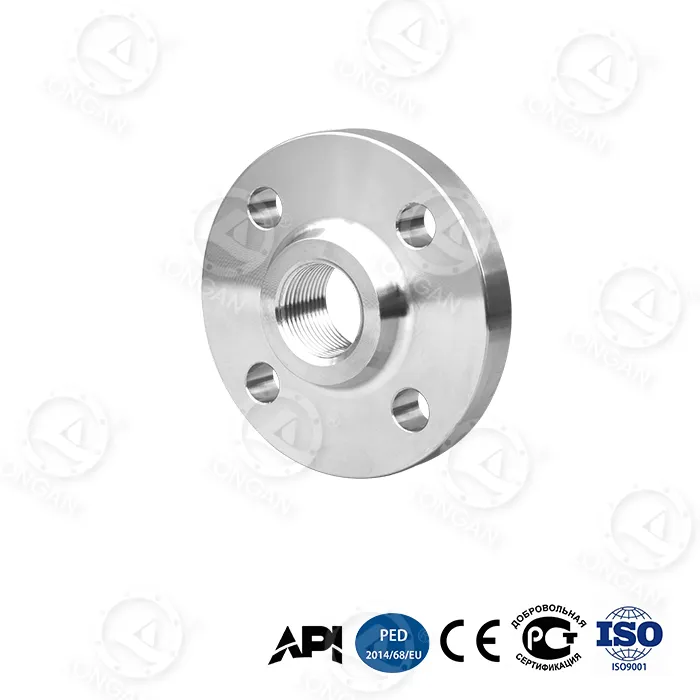
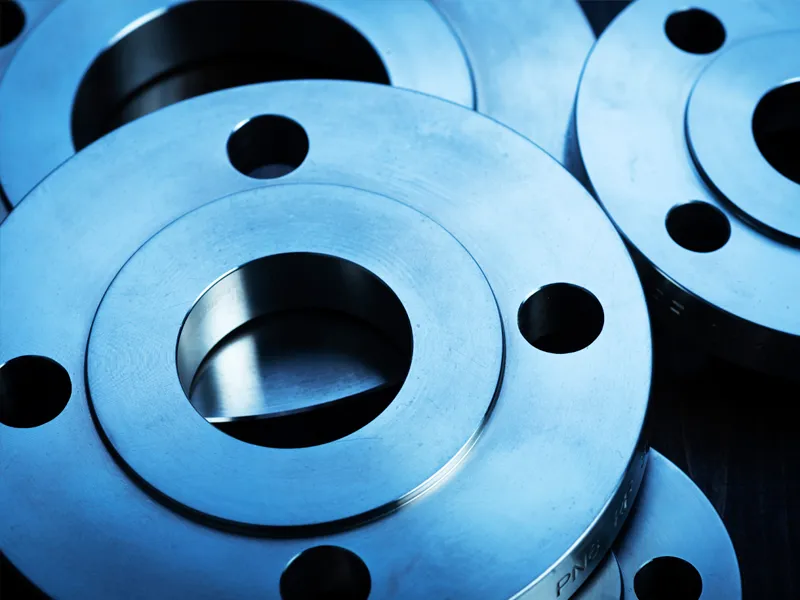
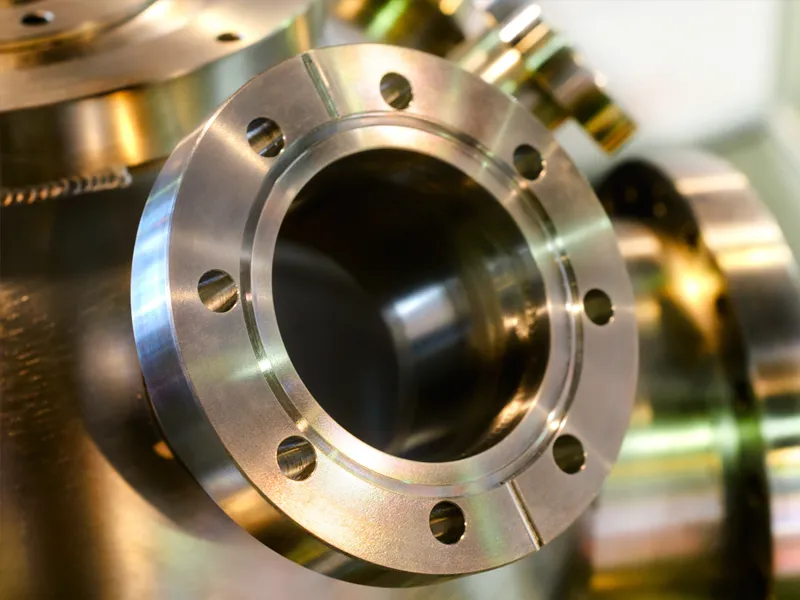
A threaded flange is a type of pipe flange that connects to pipes through internal threads without welding. This design makes it especially suitable for applications where welding is difficult, dangerous, or unnecessary. With standardized dimensions, corrosion-resistant materials, and flexible installation advantages, Class 150 threaded flanges are widely used in petroleum, chemical processing, water treatment, and industrial equipment systems.

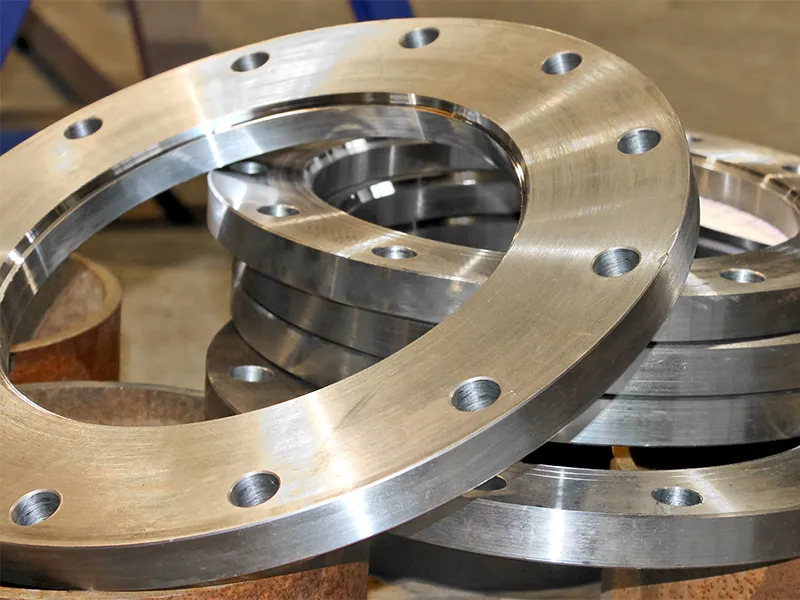
Class 150 Threaded Flange

Table of Contents


What Is a Class 150 Threaded Flange?

A Class 150 Threaded Flange is a pressure-rated pipe flange manufactured according to international flange standards. Unlike weld neck or slip-on flanges, threaded flanges use internal pipe threads to create a secure mechanical connection, eliminating the need for welding during installation.

The term “Class 150” refers to the pressure class rating rather than the actual maximum working pressure. The pressure capability depends on factors such as temperature, material grade, and application conditions. These flanges are commonly manufactured according to standards such as ASME B16.5, ensuring compatibility with various piping systems.

Because the connection method reduces installation complexity, threaded flanges are especially valuable in environments where welding equipment is unavailable or where welding could create safety risks.


Key Features and Advantages of Class 150 Threaded Flange

Class 150 threaded flanges offer several benefits that make them suitable for industrial piping projects. Their design focuses on installation efficiency, sealing reliability, and maintenance convenience.

  • No Welding Required: The threaded connection allows quick installation and reduces the need for specialized welding operations.
  • Easy Maintenance: The mechanical connection can be removed and replaced more conveniently during system maintenance.
  • Reliable Sealing Performance: Proper thread engagement combined with suitable gaskets helps prevent leakage.
  • Wide Application Range: Suitable for low-pressure fluid transportation systems, equipment connections, and utility pipelines.
  • Cost Efficiency: Reduced installation time and labor requirements help lower overall project costs.

Compared with welded flange solutions, threaded flange systems provide greater flexibility for small-diameter piping applications where frequent disassembly may be required.


Common Industrial Applications

Due to its convenient installation method and dependable performance, Class 150 Threaded Flange is widely used across different industries. Typical applications include:

  • Oil and Gas Industry: Used for auxiliary piping systems and equipment connections.
  • Chemical Processing: Suitable for pipelines transporting compatible chemical fluids.
  • Water Treatment Systems: Applied in pumps, valves, and water distribution equipment.
  • Food and Beverage Equipment: Used where clean installation and easy maintenance are required.
  • Industrial Machinery: Provides convenient connections between equipment and piping networks.

Engineers usually select threaded flanges for applications where welding is restricted or where piping systems require regular inspection and maintenance.


Materials and Manufacturing Considerations

The performance of a Class 150 Threaded Flange depends heavily on material selection and manufacturing quality. Common materials include carbon steel, stainless steel, and alloy steel.

Material Main Characteristics Typical Applications
Carbon Steel High strength, economical, suitable for general industrial use Water systems, oil pipelines, industrial equipment
Stainless Steel Excellent corrosion resistance and hygiene performance Chemical, food processing, pharmaceutical systems
Alloy Steel Improved heat resistance and mechanical strength High-temperature and demanding environments

Professional manufacturers focus on precise machining, accurate thread dimensions, surface treatment, and strict quality inspection. These processes ensure that threaded flanges maintain stable sealing performance under operating conditions.


Technical Comparison Table

Understanding the differences between flange connection types helps buyers select the most suitable option for their projects.

Feature Class 150 Threaded Flange Weld Neck Flange Slip-On Flange
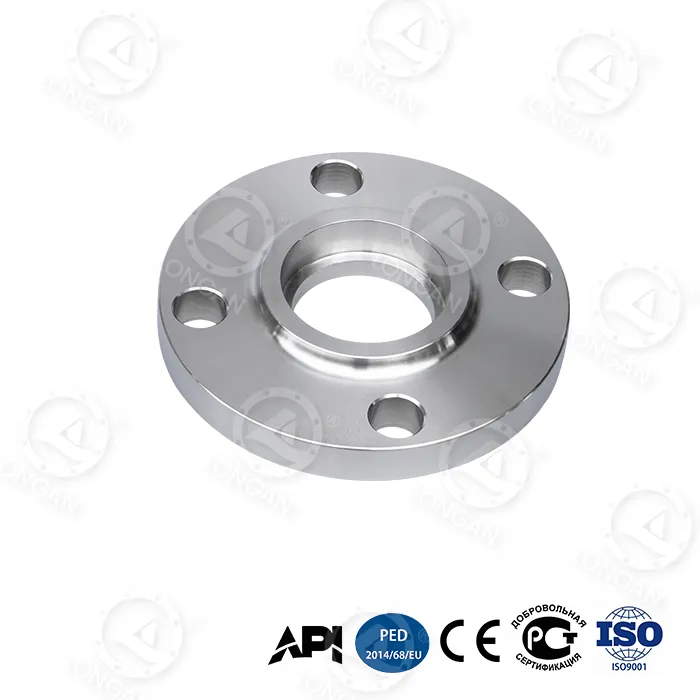
Connection Method Internal threaded connection Butt welding connection Sliding and welding connection
Installation Difficulty Easy installation without welding Requires professional welding Requires welding operation
Maintenance Easy to remove and replace More difficult to disassemble Moderate maintenance convenience
Common Usage Low and medium pressure systems High-pressure applications General industrial piping
Main Advantage Fast installation and flexibility Excellent strength and durability Cost-effective connection

How to Choose the Right Threaded Flange?

Selecting the correct flange requires consideration of operating conditions, pipe specifications, and project requirements. Before purchasing a Class 150 Threaded Flange, engineers should evaluate the following factors:

  1. Pipe Size: Confirm that the flange dimensions match the connected pipe diameter.
  2. Pressure and Temperature Requirements: Check whether the Class 150 rating meets system operating conditions.
  3. Material Compatibility: Select materials based on fluid characteristics and environmental conditions.
  4. Thread Standard: Ensure compatibility with required thread specifications.
  5. Manufacturer Reliability: Choose suppliers with strict quality control and professional production capabilities.

A reliable flange manufacturer can provide technical support, customized solutions, and quality assurance to improve the safety and efficiency of piping projects.


Frequently Asked Questions

What is the working pressure of a Class 150 Threaded Flange?

The working pressure of a Class 150 Threaded Flange depends on factors such as material, temperature, and applicable standards. The Class 150 designation represents a pressure class defined by flange standards rather than a single fixed pressure value.

Can threaded flanges replace welded flanges?

Threaded flanges can replace welded flanges in suitable low and medium pressure applications. However, for high-pressure, high-temperature, or highly demanding environments, welded flange types may provide better performance.

What materials are commonly used for threaded flanges?

Common materials include carbon steel, stainless steel, and alloy steel. Material selection depends on corrosion requirements, operating temperature, and the characteristics of the transported medium.

Why choose a professional Class 150 Threaded Flange manufacturer?

A professional manufacturer ensures accurate dimensions, reliable threading quality, consistent material performance, and strict inspection procedures, helping customers reduce leakage risks and improve system reliability.


Conclusion

Class 150 Threaded Flange provides an efficient and reliable connection solution for many industrial piping systems. With advantages including easy installation, convenient maintenance, and strong adaptability, it remains an important component in industries requiring safe and flexible pipeline connections. Selecting high-quality products from an experienced manufacturer helps ensure long-term operational stability and reduced maintenance costs.

If you are looking for durable flange solutions with professional manufacturing support, customized specifications, and dependable quality assurance, please contact us today to discuss your project requirements and receive suitable recommendations for your piping applications.

Related News
We use cookies to offer you a better browsing experience, analyze site traffic and personalize content. By using this site, you agree to our use of cookies. Privacy Policy
Reject Accept