News

How Does Flat Welding Flange 304 Smooth Face Prevent Leaks?

2026-10-23 09:53:35

Article Summary: Flat welding flange 304 smooth face helps create a reliable pipe connection when its sealing surface, gasket, dimensions, and installation conditions are properly matched. At Wenzhou Longan Flange Co., Ltd., we manufacture industrial flanges with in-house forging, machining, and testing capabilities. In this article, we explain how flange face quality, material selection, dimensional accuracy, and installation practices work together to reduce leakage risks in industrial piping systems.

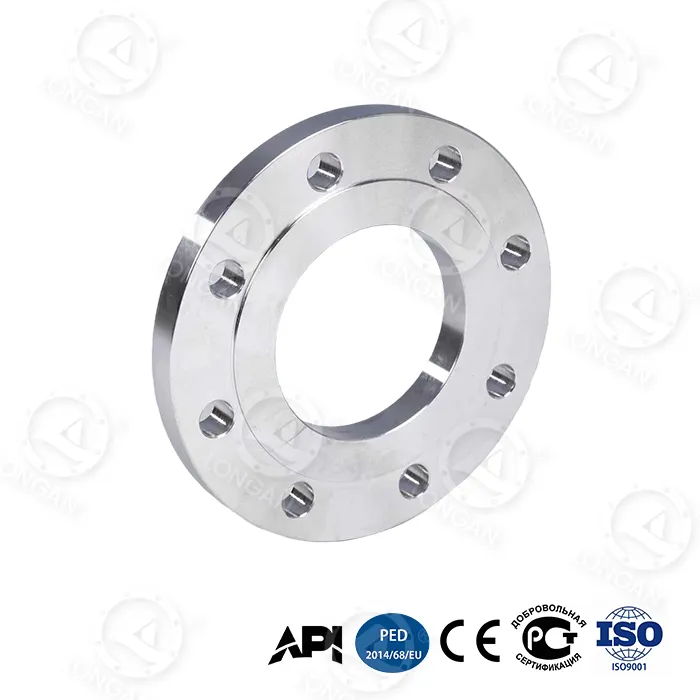
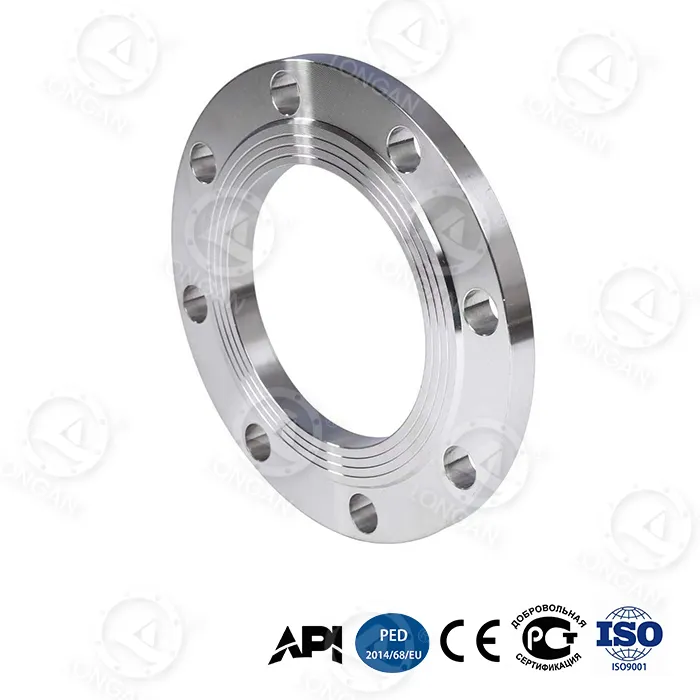
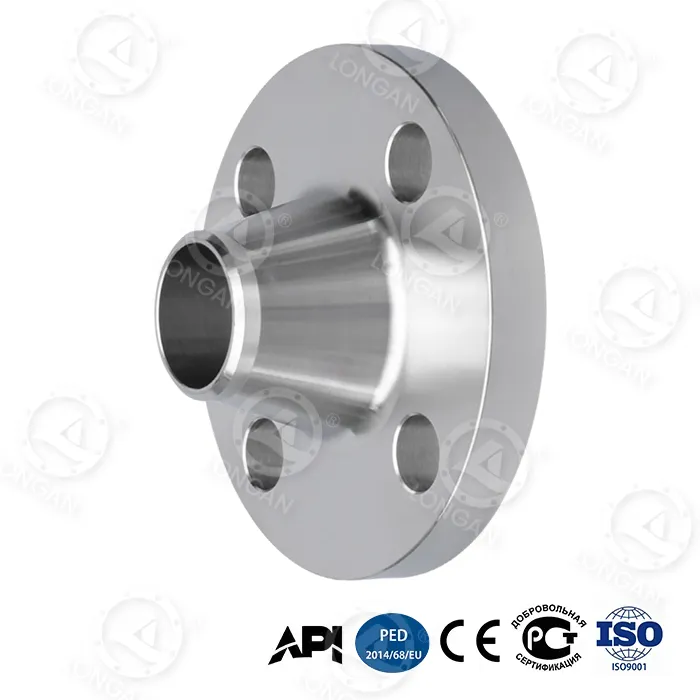
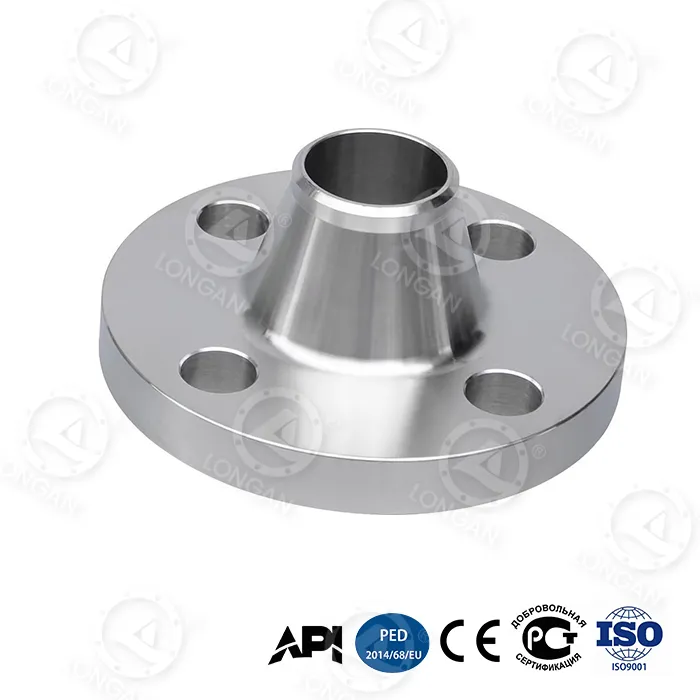
Flat welding flange 304 smooth face

Table of Contents

What Causes Leakage at a Flange Connection?

Flange leakage rarely comes down to one factor alone. In our experience, the connection needs to be considered as a complete assembly, including the flange faces, gasket, bolts, pipe alignment, and operating conditions. A flange manufactured to the correct nominal size can still leak if its sealing surface is damaged or the gasket is unsuitable for the process fluid. When assessing a Flat welding flange 304 smooth face, we recommend checking the following potential causes before installation:
  • Uneven sealing faces: Warping, scratches, dents, or excessive surface irregularities can prevent uniform gasket contact.
  • Incorrect gasket selection: A gasket that cannot withstand the fluid, temperature, or pressure may deteriorate or lose its sealing ability.
  • Misaligned piping: Excessive pipe stress or poor alignment can create uneven loads across the flange joint.
  • Uneven bolt loading: Incorrect tightening sequences or inconsistent bolt loads can reduce gasket compression in certain areas.
  • Unsuitable operating conditions: Pressure fluctuations, thermal cycling, vibration, and corrosion may affect long-term joint integrity.
Identifying these risks early helps purchasing teams and project engineers define the right manufacturing tolerances and installation requirements instead of relying on the flange material alone.

How Does a Smooth Face Help Prevent Leaks?

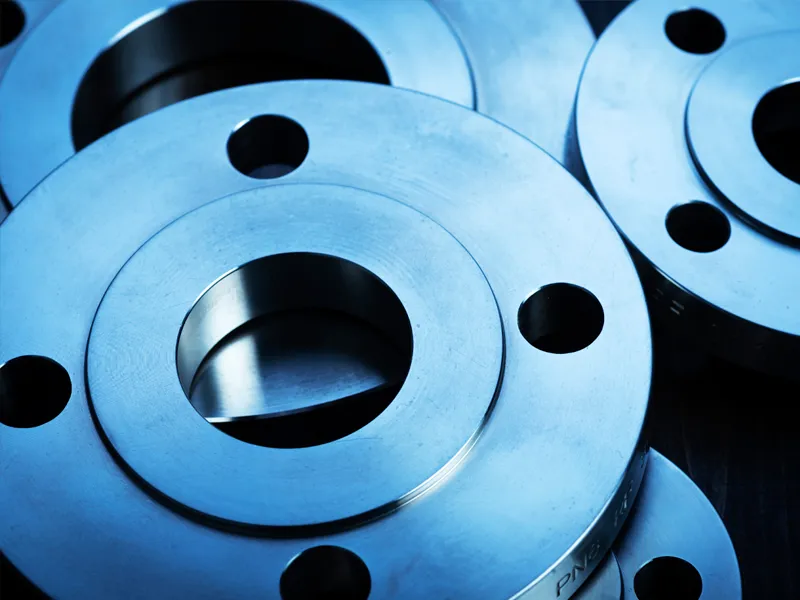
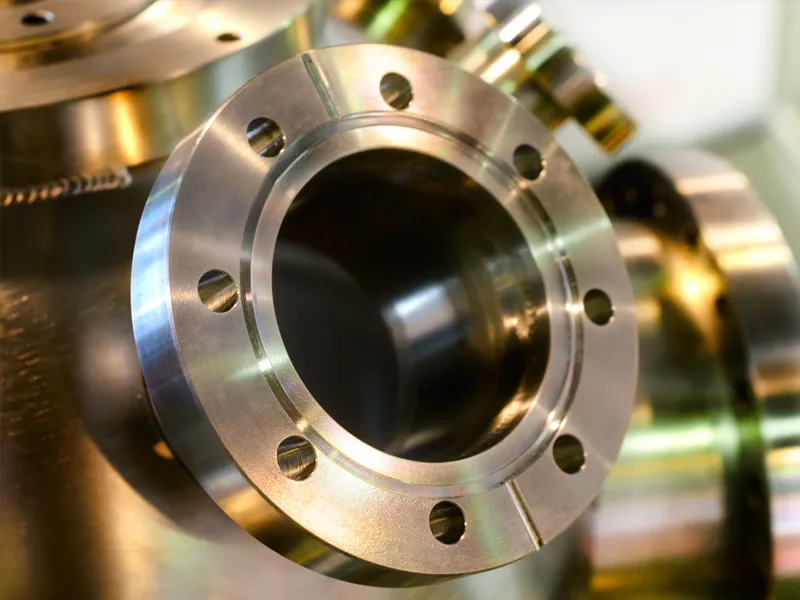
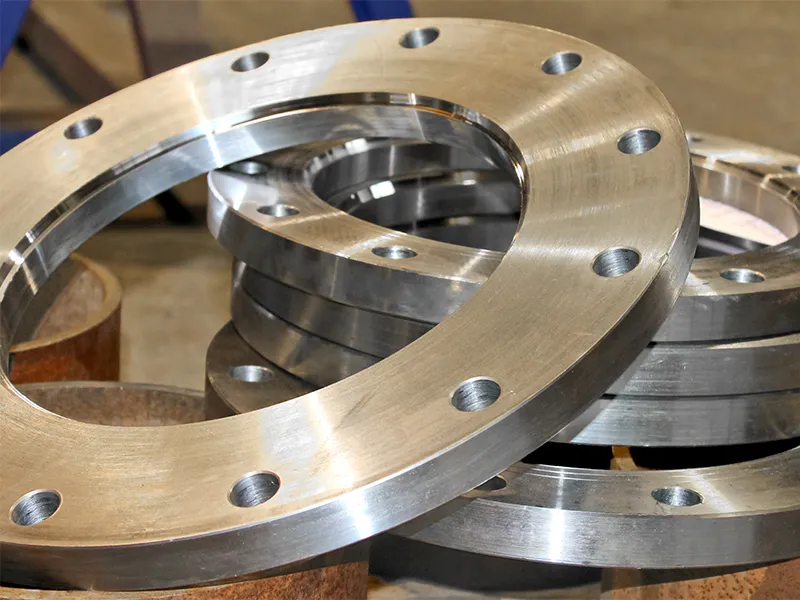
A smooth sealing face provides a contact surface for the gasket between two connected components. When the face geometry and surface finish meet the specified requirements, the gasket can compress more consistently and fill small surface irregularities. This helps reduce potential leakage paths across the joint. However, smooth does not automatically mean leak-proof. The appropriate surface finish depends on the gasket material, flange design, applicable standard, and service conditions. An excessively rough surface may interfere with gasket contact, while an unsuitable finish or damaged face can also compromise sealing. For a Flat welding flange 304 smooth face, buyers should confirm three important characteristics:
  • Face flatness: The sealing surface should remain within the dimensional tolerance specified in the approved drawing or applicable standard.
  • Surface roughness: The required finish should match the gasket manufacturer's recommendations and the flange specification.
  • Surface condition: The finished face should be inspected for visible scratches, dents, corrosion, and machining defects that could affect gasket contact.
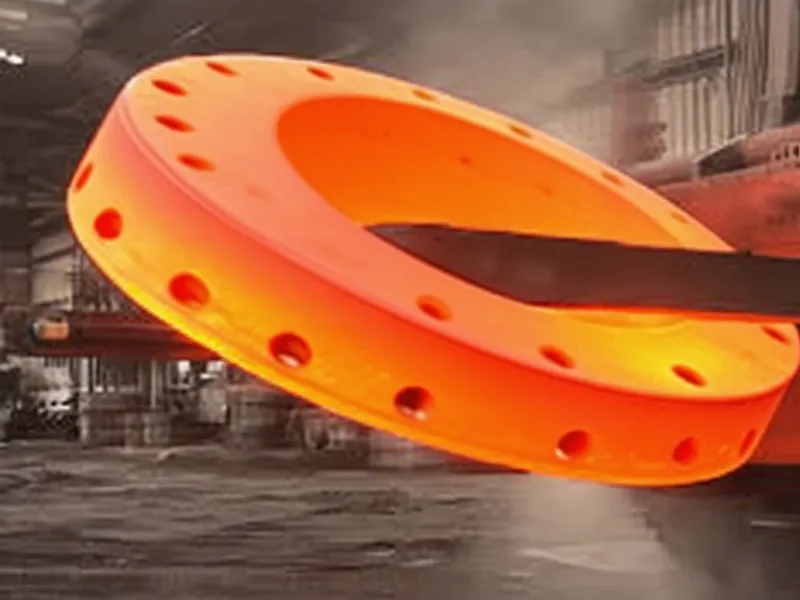
Wenzhou Longan Flange Co., Ltd. handles forging and machining in-house, allowing production requirements to be managed across multiple manufacturing stages. For projects with strict sealing requirements, buyers should specify the required flatness and roughness values before production and request inspection records to verify compliance.

How Should You Match the Gasket to the Flange?

The gasket is a critical part of the sealing system. Even a correctly machined flange may leak when paired with a gasket that is incompatible with the process medium or unable to maintain sufficient compression under operating conditions. Before ordering a flange assembly, we recommend confirming the following details with the project engineer or gasket supplier:
  • Fluid compatibility: Verify resistance to the process fluid, cleaning chemicals, and other substances that may contact the gasket.
  • Temperature range: Check both normal operating temperature and foreseeable temperature excursions.
  • Pressure conditions: Confirm that the gasket is suitable for the specified operating pressure and pressure fluctuations.
  • Gasket dimensions: Check the inside diameter, outside diameter, thickness, and required contact area.
  • Flange facing: Make sure the gasket design is compatible with the specified smooth or flat sealing face.
The term “smooth face” should be confirmed against the drawing and applicable flange standard. Different standards and manufacturers may use different facing terminology, so buyers should not assume that every flat-looking face has identical dimensions or sealing requirements.

Why Do Dimensions and Pressure Ratings Matter?

Dimensional accuracy affects both assembly and sealing performance. Incorrect bolt-hole spacing can make installation difficult, while a flange thickness or facing geometry that differs from the approved design may affect joint loading. Pressure rating also requires careful attention. A flange made from 304 stainless steel is not automatically suitable for every pressure or temperature. Its allowable service conditions depend on the applicable standard, size, design, material properties, and operating temperature. The table below lists the main specifications worth checking before purchasing.
Specification What to Verify Relevance to Leak Prevention
Material grade 304 stainless steel and the specified material standard Supports material suitability and corrosion resistance
Nominal size DN or NPS, bore, and mating pipe dimensions Helps ensure correct fit and alignment
Sealing face Face type, flatness, and specified surface roughness Supports consistent gasket contact
Bolt-hole pattern Bolt-circle diameter, hole count, and hole diameter Helps achieve correct assembly and bolt loading
Pressure and temperature Design conditions and applicable pressure rating Helps prevent use beyond the flange's rated conditions
Gasket requirements Material, dimensions, and operating limits Helps maintain sealing under actual service conditions
Inspection records Material certificates and dimensional inspection results Provides evidence that the supplied product meets the specification
For non-standard projects, Wenzhou Longan Flange Co., Ltd. offers customized flange manufacturing and OEM services. Providing an approved drawing and complete operating conditions at the quotation stage helps reduce specification gaps and avoid costly changes after production.

How Can Buyers Verify Flange Quality?

Quality checks should cover material, machining, dimensions, and traceability rather than focusing only on the finished appearance. At Wenzhou Longan Flange Co., Ltd., our manufacturing capabilities include forging, machining, and testing. The company's online ERP system supports production data management from raw material entry through finished-product dispatch. For incoming inspection or supplier evaluation, we suggest using a checklist such as the following:
  • Compare the material certificate and product identification with the purchase order.
  • Measure the flange outside diameter, thickness, bore, and bolt-hole pattern against the approved drawing.
  • Inspect the sealing face for damage and verify specified flatness and roughness using suitable measurement methods.
  • Confirm that the flange standard and pressure rating match the project requirements.
  • Check material markings and available batch records for traceability.
  • Inspect packaging to ensure the sealing face is protected during storage and transportation.
For demanding pipeline projects, inspection criteria should be agreed upon before manufacturing begins. If the project requires third-party inspection, positive material identification, or additional testing, these requirements should be recorded in the purchase specification.

Where Are 304 Smooth Face Flanges Used?

304 stainless steel flanges are used in a range of industrial piping and equipment connections where their mechanical properties and corrosion resistance suit the operating environment. Typical applications may include water-related systems, general process piping, selected food-processing equipment, and utility connections. Suitability must always be assessed against the actual service conditions:
  • Water and utility piping: Consider water chemistry, temperature, pressure, and gasket compatibility.
  • Food-processing equipment: Check cleaning requirements, surface-finish specifications, and applicable hygiene standards.
  • General chemical processing: Review chemical compatibility carefully, especially where chlorides or aggressive substances are present.
  • Industrial equipment connections: Confirm mating dimensions, vibration conditions, and installation access.
Wenzhou Longan Flange Co., Ltd. manufactures industrial flanges for sectors including oil and gas, petrochemical processing, power generation, and infrastructure. The appropriate flange type and material should be determined by the engineering specification rather than the industry name alone.

Frequently Asked Questions

1. Can a smooth face completely prevent flange leakage?

No. A suitable smooth face helps provide consistent gasket contact, but leak prevention also depends on gasket compatibility, bolt loading, alignment, operating conditions, and correct installation.

2. What surface finish should I specify for a 304 smooth face flange?

The required finish depends on the flange standard, gasket type, and project specification. Buyers should state the required roughness and flatness on the drawing and confirm the applicable inspection method with the manufacturer.

3. Is 304 stainless steel suitable for corrosive fluids?

It is suitable for many general environments but not all corrosive media. Chlorides and certain aggressive chemicals can cause localized corrosion. The process fluid, concentration, and operating temperature should be reviewed before material selection.

4. What information is needed to order a Flat welding flange 304 smooth face?

Provide the nominal size, applicable standard, pressure rating, material grade, face type, quantity, delivery requirements, and approved drawing where available. Include special inspection and traceability requirements in the purchase order.

5. Can Wenzhou Longan Flange Co., Ltd. supply customized flanges?

Yes. The company manufactures different flange types and provides OEM services for customized, non-standard products. Production feasibility and lead time depend on the dimensions, material, drawing, and order requirements.

6. How long does flange production usually take?

The company's stated typical production lead time is two to four weeks, depending on product complexity and workload. Confirm the schedule for the specific order before placing a purchase order.

7. Which documents should buyers request to verify flange quality?

Depending on the project, buyers may request material test certificates, dimensional inspection reports, traceability records, and applicable quality-system documentation. Any additional testing or third-party inspection should be agreed upon before production.

Preventing flange leakage starts with matching the sealing face, gasket, material, and dimensions to the actual service conditions. A Flat welding flange 304 smooth face can provide a reliable connection when manufacturing tolerances are controlled and installation requirements are followed. For product specifications or customized flange inquiries, contact Wenzhou Longan Flange Co., Ltd. with your drawings and project requirements.

Related News
We use cookies to offer you a better browsing experience, analyze site traffic and personalize content. By using this site, you agree to our use of cookies. Privacy Policy
Reject Accept