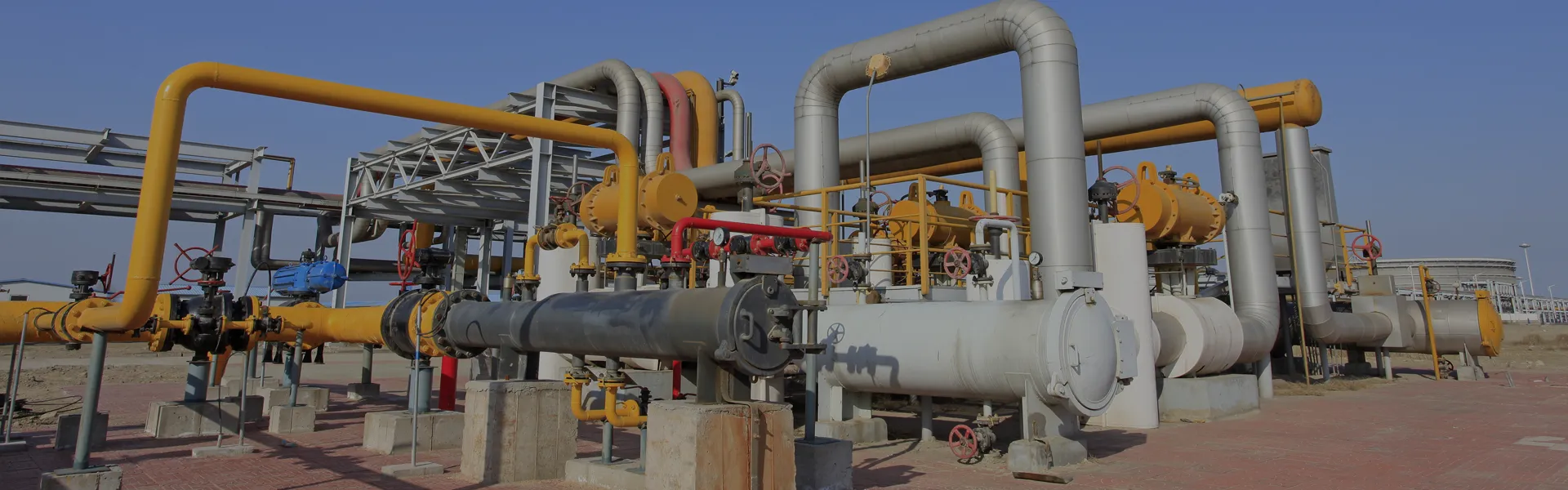
In a water treatment plant on the outskirts of Shanghai, a maintenance crew is replacing a section of galvanized steel pipe. The pipe has been in service for over a decade, and the galvanized coating has protected it from corrosion. The crew needs to connect the new section to the existing system. They have two options: weld the connection or use a threaded flange. Welding would require grinding away the galvanized coating, which would leave the weld zone vulnerable to corrosion. It would also require hot work permits and specialized equipment. The threaded flange, by contrast, can be installed with simple hand tools, without damaging the protective coating, and without the need for hot work. This is why galvanized pipe systems prefer threaded flanges. The choice is not just about convenience; it is about preserving the integrity of the corrosion protection and ensuring the long-term reliability of the entire system.
The threaded flange is a type of flange that is connected to the pipe by means of a screw thread. It is available in a range of sizes and pressure ratings to suit different applications. In a galvanized pipe system, the threaded flange offers several advantages over other flange types, including weld neck flanges, slip-on flanges, and lap joint flanges. This article will examine the technical and practical reasons why threaded flanges are the preferred choice for galvanized pipe systems. We will cover the impact of welding on galvanized coatings, the installation efficiency of threaded connections, the sealing performance of threaded flanges, and the material specifications that ensure compatibility. We will also provide detailed product specifications from our factory at Wenzhou Longan Flange Co., Ltd.
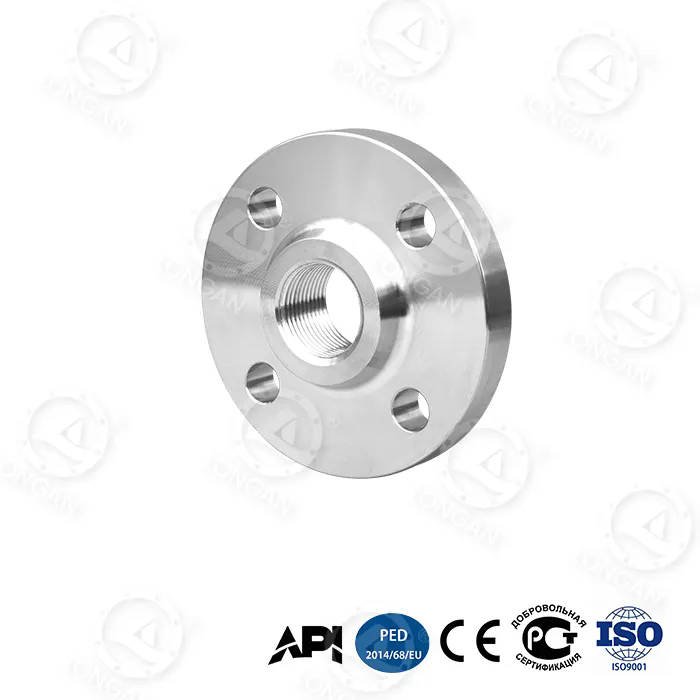
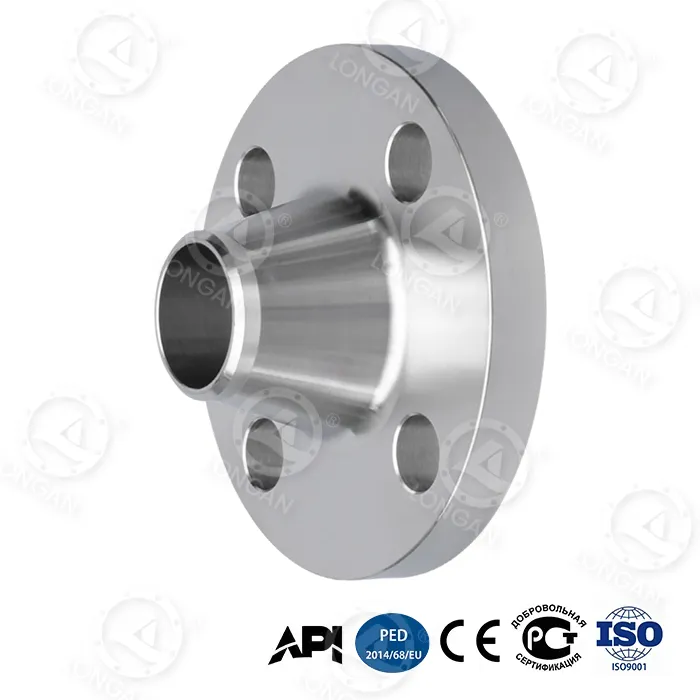
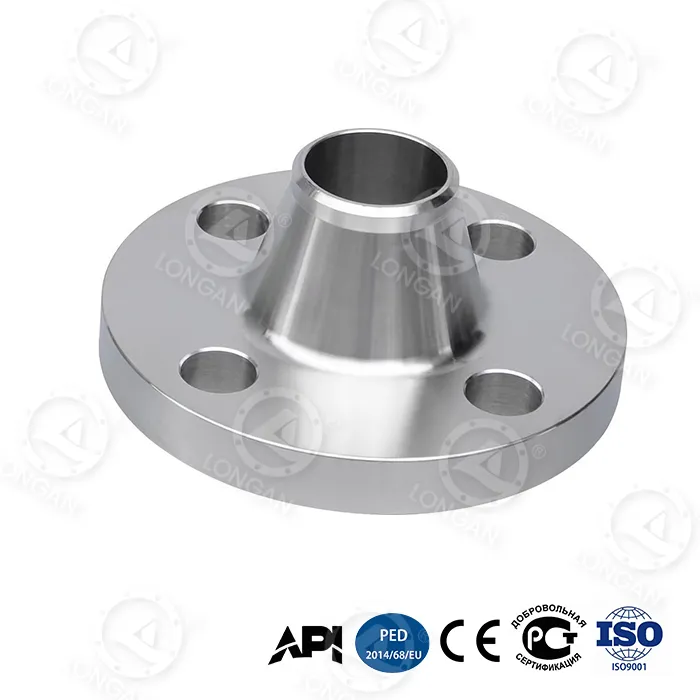
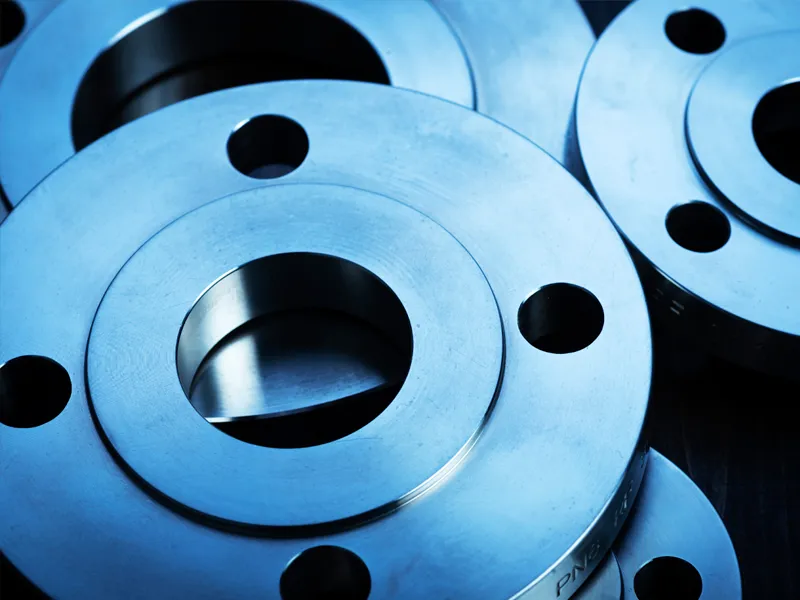
A Threaded Flange is a type of pipe flange that is attached to the pipe by means of a screw thread. The flange has a threaded bore that matches the external thread on the pipe end. To install the flange, the pipe end is threaded, and the flange is screwed onto the pipe. The flange is then secured in place with a seal weld or a back-up weld, although in many low-pressure applications, no welding is required. The threaded connection provides a mechanical seal that is capable of withstanding moderate pressures and temperatures. Threaded flanges are available in a range of sizes, from 1/2 inch to 24 inches, and in pressure classes from 150 to 2500. They are commonly used in water treatment, chemical processing, and industrial piping systems where welding is not practical or desirable.
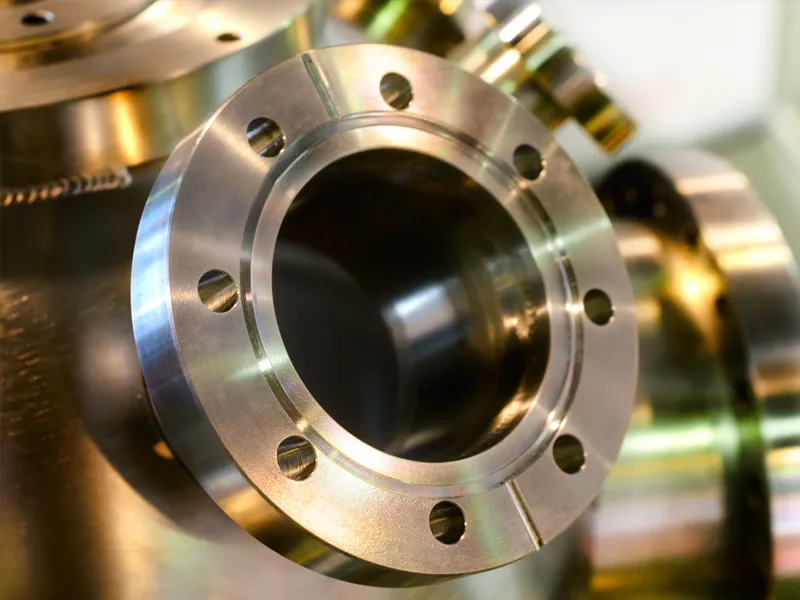
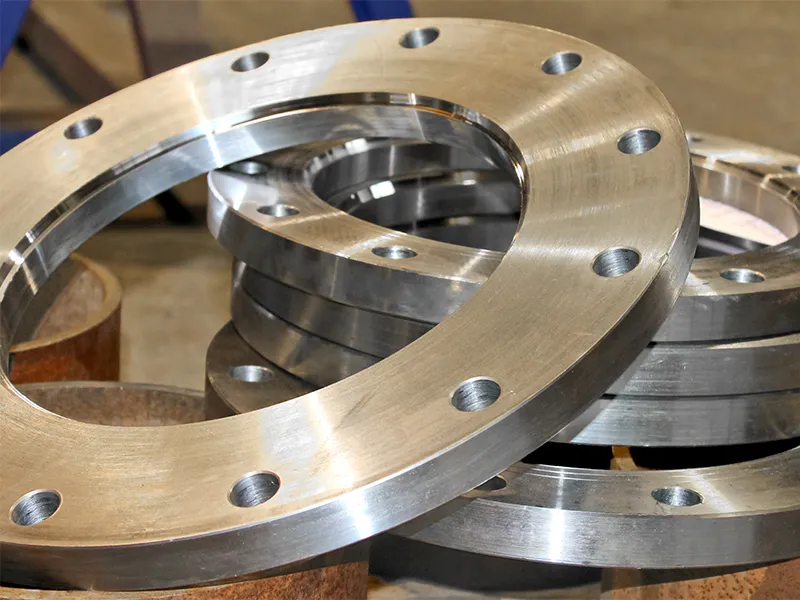
The design of a Threaded Flange is simple but effective. The flange face is typically raised or flat, depending on the mating flange. The threaded bore is machined to a precise tolerance to ensure a proper fit with the pipe thread. The flange is typically made from forged steel, cast steel, or stainless steel, depending on the application. In a galvanized pipe system, the Threaded Flange is also galvanized to match the pipe and provide corrosion protection. The table below summarizes the key components and their functions.
| Component | Function |
| Flange Body | Provides the structural connection and the mating surface |
| Threaded Bore | Matches the pipe thread to create a mechanical seal |
| Flange Face | Provides the sealing surface for the gasket |
| Bolt Holes | Allow the flange to be bolted to the mating flange |
| Galvanized Coating | Provides corrosion protection for the flange and the connection |
At Wenzhou Longan Flange Co., Ltd., our factory manufactures Threaded Flanges in a range of sizes, pressure ratings, and materials. We offer galvanized threaded flanges that are specifically designed for use in galvanized pipe systems. Our flanges are manufactured to international standards, including ANSI B16.5, DIN, and JIS, ensuring compatibility with a wide range of pipes and fittings.
Galvanized pipe is steel pipe that has been coated with a layer of zinc to protect it from corrosion. The zinc coating acts as a sacrificial anode, meaning that it will corrode preferentially to the steel, protecting the steel from rust. This protection is effective as long as the zinc coating remains intact. When the pipe is welded, the heat of the welding process burns away the zinc coating in the heat-affected zone. This leaves the underlying steel exposed and vulnerable to corrosion. In addition, the welding process can produce toxic fumes from the vaporized zinc, which can be hazardous to the welder. The table below summarizes the effects of welding on galvanized pipe.
| Effect | Consequence |
| Zinc coating burned away | Exposed steel is vulnerable to corrosion |
| Heat-affected zone | Reduced mechanical properties in the weld area |
| Toxic fumes | Health hazard for welders; requires ventilation and PPE |
| Need for re-coating | Additional labor and materials to restore corrosion protection |
| Hot work permit | Additional safety procedures and downtime |
These effects make welding an undesirable option for connecting galvanized pipe. The alternative is to use a mechanical connection that does not require heat. The Threaded Flange is one such connection. By screwing the flange onto the threaded pipe end, the zinc coating is preserved, and the corrosion protection of the system remains intact. At our factory, we understand the importance of preserving the galvanized coating. Our Threaded Flanges are designed to provide a reliable mechanical connection without compromising the integrity of the pipe.
The installation of a Threaded Flange is a simple mechanical process that does not involve heat. The pipe end is threaded using a pipe threading machine or a hand threader. The threading process removes a small amount of material from the pipe end, but the zinc coating on the rest of the pipe remains intact. The flange is then screwed onto the threaded pipe end. The threads engage to create a mechanical seal. In some cases, a thread sealant or tape is applied to the threads to enhance the seal. The flange is then bolted to the mating flange, completing the connection. The entire process can be completed with simple hand tools, without the need for hot work permits or specialized welding equipment. The table below summarizes the steps of installing a Threaded Flange.
| Step | Action | Equipment |
| 1 | Cut the pipe to length | Pipe cutter or saw |
| 2 | Thread the pipe end | Pipe threading machine or hand threader |
| 3 | Clean the threads | Wire brush or cloth |
| 4 | Apply thread sealant | PTFE tape or pipe dope |
| 5 | Screw the flange onto the pipe | Pipe wrench |
| 6 | Tighten the flange | Pipe wrench |
| 7 | Bolt the flange to the mating flange | Wrench or impact wrench |
The installation process is fast, clean, and safe. It can be performed in areas where hot work is not permitted, such as in explosive atmospheres or in confined spaces. It also eliminates the need for re-coating the weld zone, which saves time and materials. At our factory, we provide detailed installation instructions with our Threaded Flanges, and our technical team is available to assist with any questions.
The sealing performance of a Threaded Flange depends on the quality of the thread engagement and the use of a suitable thread sealant. When properly installed, a threaded connection can provide a leak-tight seal for moderate pressures and temperatures. The pressure rating of a Threaded Flange is determined by its design, material, and size. Standard threaded flanges are available in pressure classes from 150 to 2500. The table below summarizes the typical pressure and temperature ratings for our Threaded Flanges.
| Pressure Class | Maximum Pressure (bar) | Maximum Temperature (°C) | Typical Application |
| Class 150 | 20 | 200 | Low-pressure water, HVAC |
| Class 300 | 50 | 200 | Medium-pressure water, process piping |
| Class 600 | 100 | 200 | High-pressure water, industrial systems |
| Class 900 | 150 | 200 | High-pressure industrial applications |
| Class 1500 | 250 | 200 | Very high-pressure applications |
| Class 2500 | 420 | 200 | Extreme pressure applications |
It is important to note that the pressure rating of a threaded connection is generally lower than that of a welded connection of the same size and class. This is because the threads reduce the wall thickness of the pipe and create a stress concentration. For this reason, threaded flanges are typically used in lower-pressure applications or where the pipe wall thickness is sufficient to accommodate the threads. In a galvanized pipe system, the pressure rating of the threaded flange must be matched to the pressure rating of the pipe and the system. At our factory, we can assist with the selection of the appropriate pressure class for your application.
The material of the Threaded Flange must be compatible with the pipe material and the fluid being conveyed. For galvanized pipe systems, the flange is typically made from galvanized steel, which matches the pipe and provides the same level of corrosion protection. The flange can also be made from stainless steel or other materials if required. The specifications for a Threaded Flange include the size, the pressure class, the material, the thread type, and the flange face type. The table below summarizes the key specifications for our galvanized Threaded Flanges.
| Specification | Options |
| Size | 1/2" to 24" (DN15 to DN600) |
| Pressure Class | 150, 300, 600, 900, 1500, 2500 |
| Material | Galvanized Carbon Steel, Stainless Steel, Ductile Iron |
| Thread Type | NPT, BSPT, BSPP, Metric |
| Flange Face | Raised Face (RF), Flat Face (FF), Ring Joint (RTJ) |
| Standard | ANSI B16.5, DIN, JIS, EN 1092-1 |
| Coating | Hot-Dip Galvanized, Electro-Galvanized |
At Wenzhou Longan Flange Co., Ltd., our factory manufactures Threaded Flanges to meet these specifications and more. We can customize the flange to suit specific project requirements, including special sizes, special materials, and special thread types. Our quality control process includes dimensional inspection, thread gauging, and pressure testing to ensure that every flange meets the required standards.
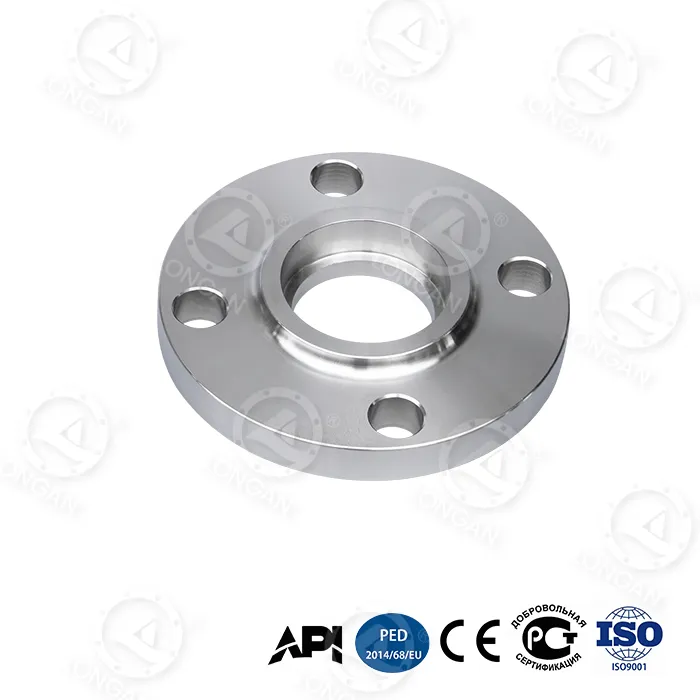
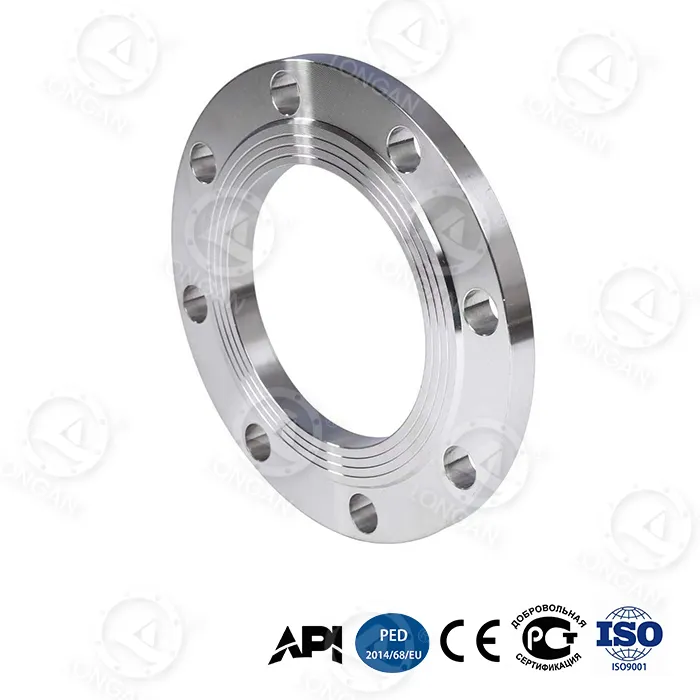
When selecting a flange for a galvanized pipe system, engineers have several options, including weld neck flanges, slip-on flanges, lap joint flanges, and threaded flanges. Each type has its own advantages and disadvantages. The table below compares the key characteristics of these flange types.
| Flange Type | Installation Method | Preserves Galvanized Coating | Pressure Rating | Cost |
| Threaded Flange | Screwed onto threaded pipe | Yes | Moderate | Low-Medium |
| Weld Neck Flange | Welded to pipe | No (coating damaged) | High | Medium-High |
| Slip-On Flange | Slip over pipe and welded | No (coating damaged) | Moderate | Low-Medium |
| Lap Joint Flange | Used with stub end; no welding to pipe | Yes (if stub end is galvanized) | Moderate | Medium |
As the table shows, the Threaded Flange is the only type that preserves the galvanized coating without the need for additional components or procedures. The Lap Joint Flange can also preserve the coating if a galvanized stub end is used, but it requires more components and is more expensive. The Weld Neck and Slip-On flanges require welding, which damages the coating and necessitates re-coating. For these reasons, the Threaded Flange is the preferred choice for galvanized pipe systems.
Question 1: What is the maximum pressure rating for a Threaded Flange in a galvanized pipe system?
Answer: Threaded Flanges are available in pressure classes up to 2500. However, the maximum pressure rating for a threaded connection is generally lower than that of a welded connection of the same size and class. This is because the threads reduce the wall thickness of the pipe and create a stress concentration. For most galvanized pipe systems, Class 150 or Class 300 flanges are sufficient. At Wenzhou Longan Flange Co., Ltd., we can assist with the selection of the appropriate pressure class for your application.
Question 2: Can a Threaded Flange be used in a high-temperature application?
Answer: Threaded Flanges can be used in high-temperature applications, but the temperature rating depends on the material of the flange and the gasket. Standard galvanized carbon steel flanges are suitable for temperatures up to 200°C. For higher temperatures, stainless steel or alloy steel flanges may be required. It is important to select a flange and gasket that are rated for the operating temperature of the system.
Question 3: What type of thread sealant should be used with a Threaded Flange?
Answer: PTFE tape or pipe dope is commonly used as a thread sealant for Threaded Flanges. PTFE tape is easy to apply and provides a good seal for water and many other fluids. Pipe dope is a paste that is applied to the threads and provides a more robust seal for higher pressures. The choice depends on the application and the fluid being conveyed. Always follow the manufacturer's recommendations for the sealant.
Question 4: How do I ensure a leak-free connection with a Threaded Flange?
Answer: To ensure a leak-free connection, follow these steps: clean the threads thoroughly, apply the thread sealant evenly, screw the flange onto the pipe hand-tight, then tighten with a pipe wrench. Do not over-tighten, as this can damage the threads or crack the flange. Use a calibrated torque wrench if available. Finally, bolt the flange to the mating flange, tightening the bolts in a star pattern to ensure even pressure on the gasket. Our factory provides detailed installation instructions with our Threaded Flanges.
Question 5: Are galvanized Threaded Flanges suitable for potable water systems?
Answer: Yes, galvanized Threaded Flanges are suitable for potable water systems, provided that the galvanizing is done to a standard that is approved for potable water contact. The zinc coating is inert and does not leach harmful substances into the water. At our factory, we use hot-dip galvanizing that meets the requirements of ASTM A153 and other relevant standards for potable water applications.
Galvanized pipe systems prefer Threaded Flanges because they offer a combination of installation efficiency, corrosion protection, and connection integrity that no other flange type can match. The threaded connection eliminates the need for welding, which would damage the galvanized coating and expose the pipe to corrosion. It allows for fast, clean, and safe installation without hot work permits or specialized equipment. It preserves the zinc coating, ensuring that the corrosion protection of the entire system remains intact. And it provides a reliable, leak-tight seal for moderate pressures and temperatures. At Wenzhou Longan Flange Co., Ltd., our factory manufactures high-quality Threaded Flanges that are designed specifically for galvanized pipe systems. We use only the best materials and follow rigorous quality control procedures to ensure that every flange meets the highest standards of performance and reliability.
Whether you are designing a new galvanized pipe system or maintaining an existing one, we invite you to contact our technical team to discuss your requirements. We can provide detailed product specifications, material selection assistance, and application support. Our commitment to quality and customer satisfaction has made us a trusted partner for water treatment, industrial, and commercial piping projects around the world.
Contact Wenzhou Longan Flange Co., Ltd. today to discuss your Threaded Flange requirements and discover how our flanges can improve the reliability and efficiency of your galvanized pipe system.
TradeManager
Skype
VKontakte