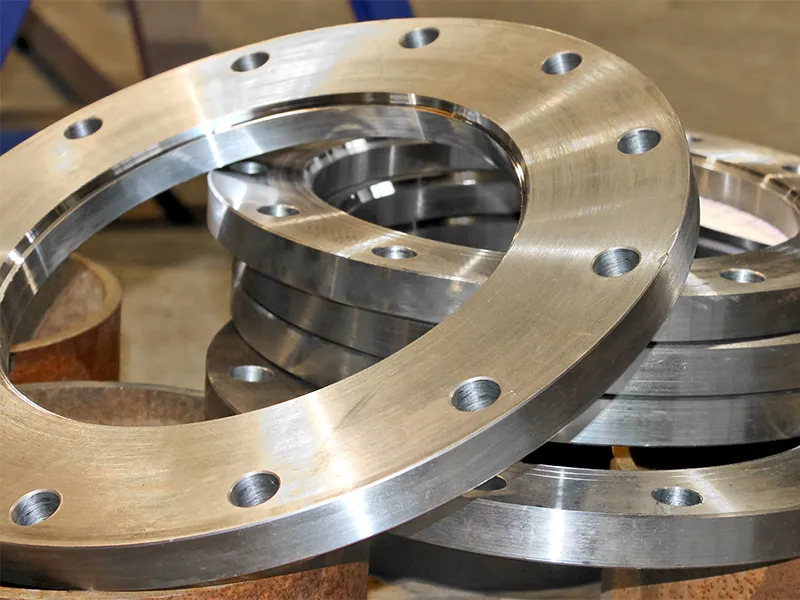
A Long Neck Flange is often selected when a piping system needs more than a standard connection. Buyers usually look at this product when they are dealing with high pressure, high temperature, heavy vibration, large vessels, process equipment, or difficult installation conditions where leakage and stress concentration cannot be ignored. This article explains how a Long Neck Flange works, why its extended neck matters, what problems it helps solve, and how purchasers can evaluate materials, dimensions, welding requirements, quality control, and supplier capability before placing an order.
For engineers, project buyers, and maintenance teams, the real question is not simply whether the flange looks strong. The more important question is whether it can support long-term sealing performance, stable load transfer, accurate alignment, and safe operation under demanding working conditions. That is where product design, manufacturing accuracy, material selection, and supplier experience become closely connected.
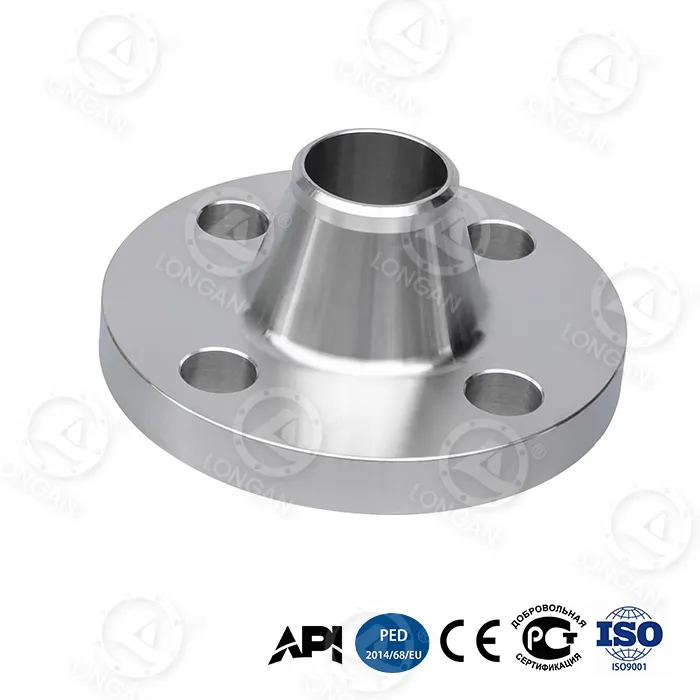
A Long Neck Flange is a specialized flange designed with an extended neck section. Compared with many ordinary flange types, its longer neck helps create a smoother transition between the pipe, vessel, or equipment body and the flange face. In practical terms, this design can help distribute stress more evenly, improve connection strength, and support safer operation in systems where pressure, heat, vibration, or mechanical load may become serious concerns.
In many projects, buyers do not choose a Long Neck Flange because it is the cheapest option. They choose it because the cost of failure is too high. A leak in a petrochemical line, pressure vessel connection, steam system, offshore module, or process plant can lead to shutdowns, safety risks, product loss, emergency maintenance, and expensive project delays. The flange may be a small component in the whole system, but it often sits at a critical connection point.
Wenzhou Longan Flange Co., Ltd. supplies flange products for industrial applications where buyers need stable machining, controlled production, and practical customization. For a Long Neck Flange, this matters because the product must match the working condition, installation space, pipe schedule, pressure rating, material requirement, sealing face, and welding method. A small mismatch in any of these details may create a problem later at the installation site.
The extended neck is not a decorative feature. It changes how force travels through the connection. In a high-pressure system, the flange is exposed to internal pressure, thermal expansion, pipe movement, external load, and sometimes vibration from pumps, compressors, or process equipment. A short or poorly matched connection may concentrate stress near the weld area. Over time, this can increase the risk of fatigue, cracking, distortion, or leakage.
A Long Neck Flange helps provide a longer transition section. This can make the connection more suitable for severe service conditions, especially when the flange is connected directly to tanks, pressure vessels, heavy equipment, or large-diameter components. For buyers, this means the product can reduce the need for additional pipe sections in some designs and provide a reinforced connection where space, pressure, or structural requirements demand more than a standard solution.
Another advantage is design flexibility. Long Neck Flange dimensions may vary depending on project requirements. Buyers may need different neck lengths, bore sizes, pressure classes, sealing faces, materials, or machining tolerances. This is why communication before production is important. A professional supplier should not simply ask for quantity and price target. The supplier should confirm drawings, standards, operating conditions, and inspection requirements before manufacturing begins.
In real procurement, the best flange is not always the one with the thickest body or the highest price. The best choice is the one that fits the system design, meets the required standard, can be welded correctly, and performs reliably after installation.
Long Neck Flange products are commonly used in industries where pressure, temperature, corrosion, or connection stability must be taken seriously. They are often considered for oil and gas systems, petrochemical plants, pressure vessels, process equipment, steam lines, power-related equipment, shipbuilding projects, and industrial pipeline networks. In these environments, a weak connection can quickly become a major operational problem.
Many buyers also choose this type of flange for equipment interfaces. When a flange needs to connect directly with a vessel wall, tank body, nozzle, or specially designed component, the extended neck can help create a more practical and stronger connection layout. This is especially useful when the system design does not leave enough room for additional connecting pipe sections.
Buyers often face the same frustrating problems when sourcing industrial flanges. The drawing may be clear, but the received part does not fit. The material certificate may be incomplete. The machining may look acceptable at first, but the bore, sealing face, or bolt hole alignment causes trouble during installation. Sometimes the price looks attractive, but delivery delays affect the whole project schedule. These are not small problems when the flange is needed for a critical system.
A well-manufactured Long Neck Flange can help solve several practical pain points. Its extended neck can support better stress distribution. Its custom length can match special project layouts. Its strong welded connection can provide better reliability in severe service. However, these benefits only become real when the product is produced according to correct specifications and inspected carefully before shipment.
| Buyer Pain Point | How a Long Neck Flange Helps | What Buyers Should Confirm |
|---|---|---|
| Leakage risk at critical joints | The extended neck and proper welding design can support a stronger connection and more stable sealing performance. | Sealing face type, gasket compatibility, pressure class, and machining finish. |
| Stress concentration near the weld | The longer neck provides a smoother transition and helps distribute mechanical stress more evenly. | Wall thickness, bore size, welding preparation, and operating load. |
| Special installation layout | Custom neck length can reduce the need for extra pipe sections in certain designs. | Drawing dimensions, tolerance, total length, and equipment interface details. |
| Corrosion or harsh media | Proper material selection can improve durability in corrosive environments. | Material grade, coating requirement, medium type, and temperature range. |
| Project delay caused by wrong parts | Clear pre-production confirmation helps reduce rework and site modification. | Standards, quantity, inspection documents, packing method, and delivery schedule. |
A Long Neck Flange is sometimes compared with standard weld neck flanges, socket weld flanges, slip-on flanges, and other common flange types. Each option has its own place. The right choice depends on pressure, pipe size, fluid type, temperature, welding method, installation space, maintenance plan, and budget.
A standard weld neck flange is widely used for high-pressure applications because it offers good strength and a smooth transition to the pipe. A Long Neck Flange goes further by adding an extended neck, making it more suitable for specific equipment connections, vessel nozzles, or systems where a longer reinforced section is required. Socket weld flanges, on the other hand, are often used for smaller pipe sizes and different welding arrangements, but they may not be the preferred option for all high-pressure or severe-service designs.
| Flange Type | Main Feature | Common Use | Buyer Consideration |
|---|---|---|---|
| Long Neck Flange | Extended neck for reinforced connection and smoother stress transfer. | Pressure vessels, tanks, severe-service piping, equipment interfaces. | Usually needs careful customization and precise welding. |
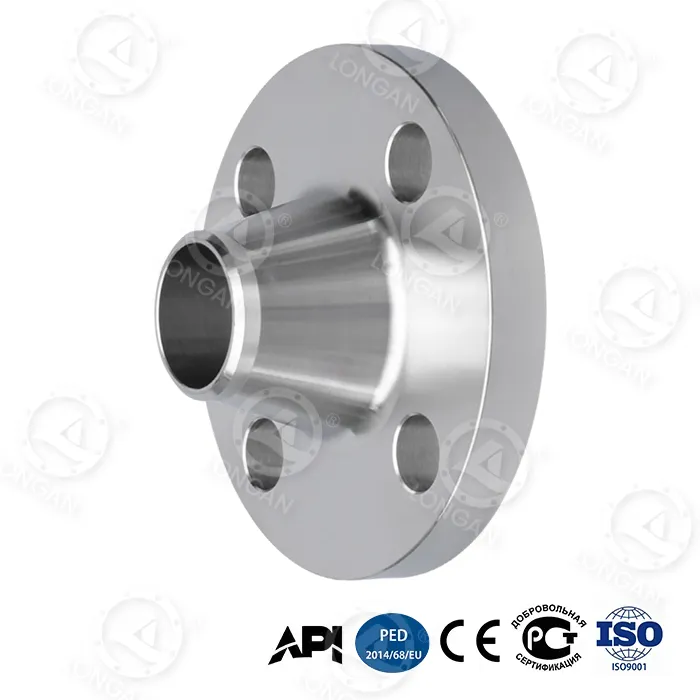
| Weld Neck Flange | Tapered hub welded to pipe for strong connection. | High-pressure and high-temperature piping. | Less specialized than long neck designs but widely available. |
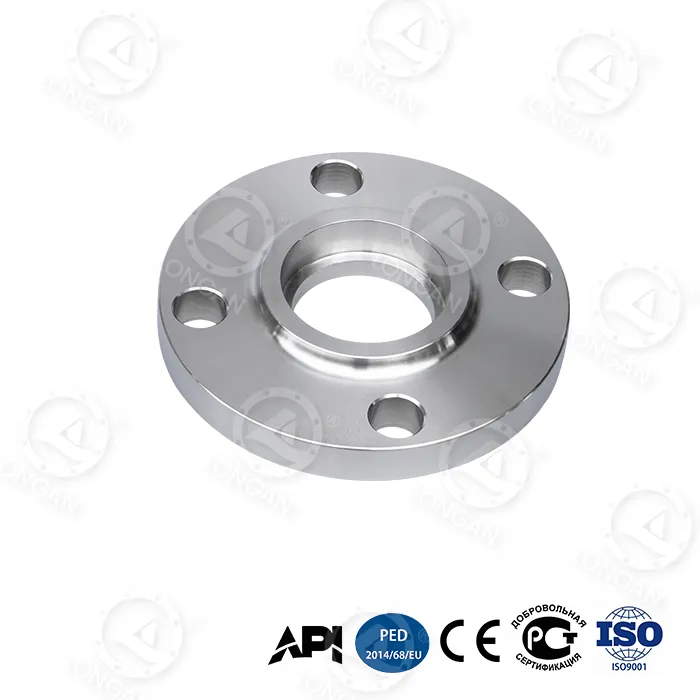
| Socket Weld Flange | Pipe inserted into socket and welded around the outside. | Smaller pipe sizes and certain compact installations. | May not suit every severe-service or large-size application. |
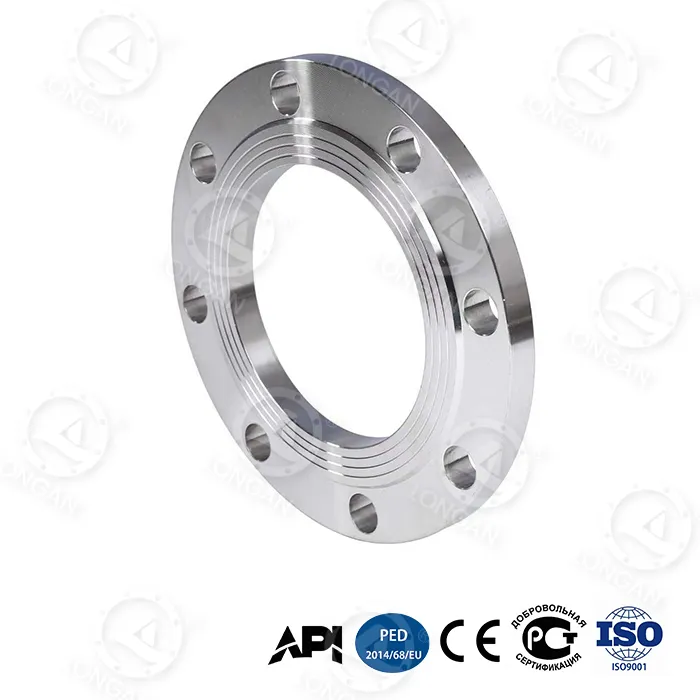
| Slip-On Flange | Slides over pipe and is welded in place. | Lower-pressure systems and general piping. | Usually easier to install but not ideal for demanding stress conditions. |
Ordering a Long Neck Flange should not be treated like buying a simple standard fastener. Before confirming the order, buyers should prepare complete technical details. If the flange is custom-made, this step becomes even more important. Clear information helps the manufacturer control production accurately and helps the buyer avoid costly mistakes at the job site.
The first point is the applicable standard. Buyers should clarify whether the flange must follow ASME, ANSI, DIN, EN, JIS, or another project-specific requirement. The second point is material. Carbon steel, stainless steel, alloy steel, and other materials may be selected depending on medium, pressure, temperature, corrosion level, and cost target. The third point is dimension control. Bore size, outside diameter, bolt hole layout, neck length, wall thickness, and sealing face must match the actual system.
A practical supplier will usually ask questions before quoting. That is not a delay; it is a sign that the supplier understands the risk of wrong production. For a Long Neck Flange, a slightly longer confirmation process can save much more time during installation.
Even a well-made Long Neck Flange can fail if it is installed poorly. Welding quality, alignment, surface protection, bolt tightening, and gasket selection all affect the final result. This is why the installation team and the purchasing team should not work in isolation. The product must be selected with real site conditions in mind.
Precise alignment is one of the most important points. If the flange is forced into position, stress may remain in the connection after welding. This can lead to distortion, uneven gasket compression, or premature failure. Skilled welding is also essential. The weld preparation, welding procedure, filler material, and post-weld inspection should match the project requirements.
Maintenance should not be ignored after installation. Regular checks can help identify corrosion, bolt loosening, gasket aging, or early signs of leakage. In harsh environments, corrosion-resistant materials or surface treatments may be worth considering from the beginning rather than after problems appear.
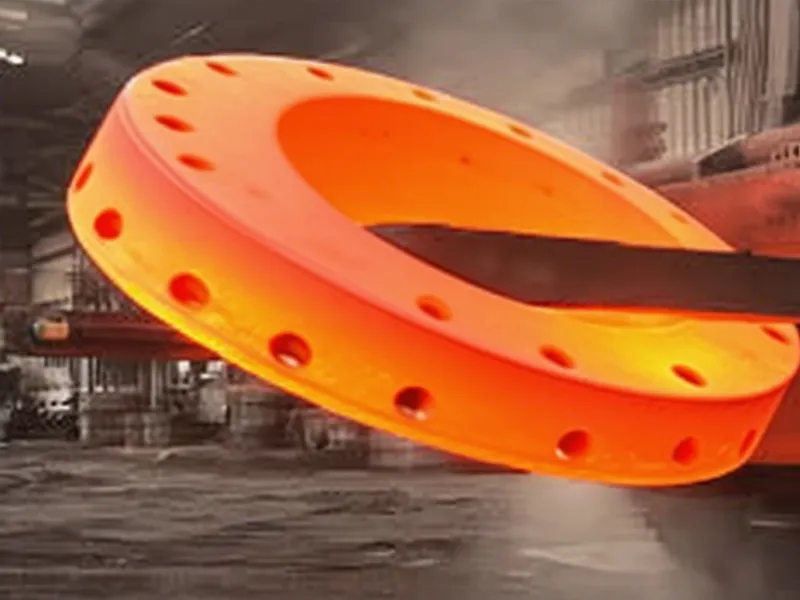
The performance of a Long Neck Flange depends not only on the drawing but also on production control. Forging quality, machining accuracy, material traceability, heat treatment, inspection, and packaging all influence whether the flange arrives ready for reliable use. A supplier with practical flange manufacturing experience can help buyers avoid unclear specifications, unsuitable materials, and unnecessary rework.
Wenzhou Longan Flange Co., Ltd. focuses on flange manufacturing for industrial users who need dependable connection components. For buyers, this means the conversation can move beyond basic price comparison. A better purchasing discussion should include application environment, working pressure, material choice, drawing review, production schedule, and inspection requirements. When these details are handled early, the final product is more likely to match the project site.
Buyers should also pay attention to communication speed. If a project is urgent, clear responses matter. If a flange is customized, technical confirmation matters even more. If the product will be used in a strict industry, documentation and inspection become part of the product value. The right supplier does not only ship flanges; it helps reduce uncertainty before the goods reach the installation site.
A Long Neck Flange is often selected for systems where ordinary solutions may not provide enough confidence. That is why buyers should evaluate the supplier’s ability to understand drawings, control machining, provide stable quality, and support customized production.
A Long Neck Flange is used for strong, reinforced connections in piping systems, pressure vessels, tanks, and industrial equipment. It is especially useful when the system faces high pressure, high temperature, vibration, or special structural requirements.
The main difference is the extended neck. A standard weld neck flange has a shorter tapered hub, while a Long Neck Flange has a longer neck section that can provide a smoother transition and better support for certain equipment or vessel connections.
Common materials include carbon steel, stainless steel, alloy steel, and other project-specific materials. The correct choice depends on pressure, temperature, medium, corrosion risk, and applicable project standards.
Buyers should provide drawings, required standards, material grade, pressure rating, neck length, bore size, sealing face type, quantity, inspection requirements, and delivery expectations. The more complete the information, the more accurate the quotation and production plan will be.
The main challenges include precise alignment, correct welding, proper gasket selection, and protection of the machined sealing face. Since many Long Neck Flange products are used in demanding conditions, installation quality is extremely important.
Buyers should check markings, dimensions, material documents, surface condition, sealing face quality, bore size, bolt holes, and packing condition. Any issue should be reported before installation begins.
Choosing a Long Neck Flange is really about reducing risk. The product must fit the design, support the pressure condition, match the material requirement, and arrive with the right dimensions. For buyers working on pressure vessels, petrochemical systems, process piping, or heavy industrial equipment, this is not a part to select casually.
Wenzhou Longan Flange Co., Ltd. can support buyers who need Long Neck Flange products with suitable material selection, customized dimensions, and practical production communication. Whether your project requires a standard size or a special flange based on drawings, the key is to confirm the details early and work with a manufacturer that understands industrial connection requirements.
If you are comparing Long Neck Flange options for an upcoming project, send your drawings, material requirements, pressure rating, quantity, and delivery schedule to our team. We will help review your needs and recommend a practical solution. For pricing, technical discussion, or customized production support, please contact us today.
TradeManager
Skype
VKontakte