News

Why Is a Flat Face Flange the Ideal Choice for Reliable Industrial Piping Connections

2026-07-13 09:07:47

When industries require a dependable sealing solution for high-pressure piping systems, Longan provides professionally engineered flat face flange solutions designed for stable and secure connections. As a trusted flange supplier, Longan focuses on manufacturing high-quality flange products that meet the needs of petrochemical, power generation, water treatment, and industrial pipeline applications.

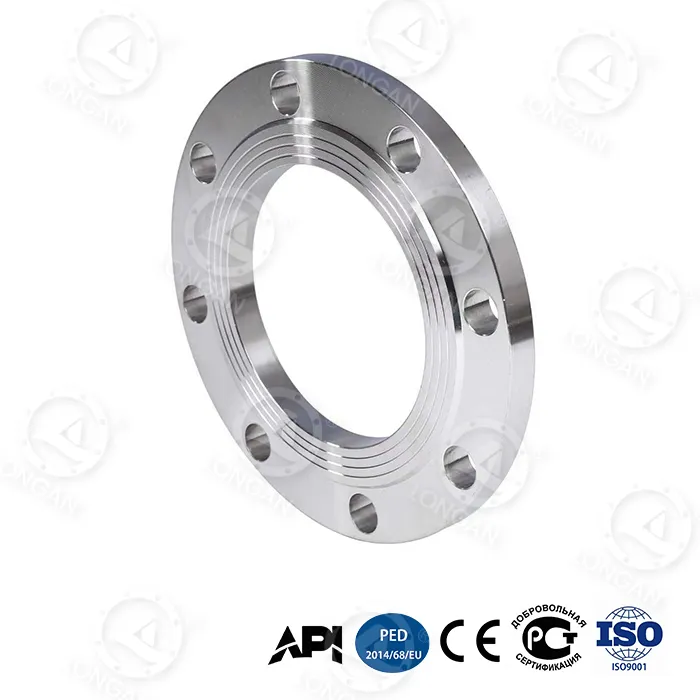
A flat face flange is a widely used piping component featuring a completely flat sealing surface across the flange face. Compared with raised face designs, it provides uniform gasket contact and reduces the risk of equipment damage when connecting cast iron, plastic-lined, or low-pressure piping systems. This article explains the structure, advantages, applications, selection factors, and maintenance considerations of flat face flanges to help engineers and buyers make informed decisions.

flat face flange

Table of Contents


What Is a Flat Face Flange?

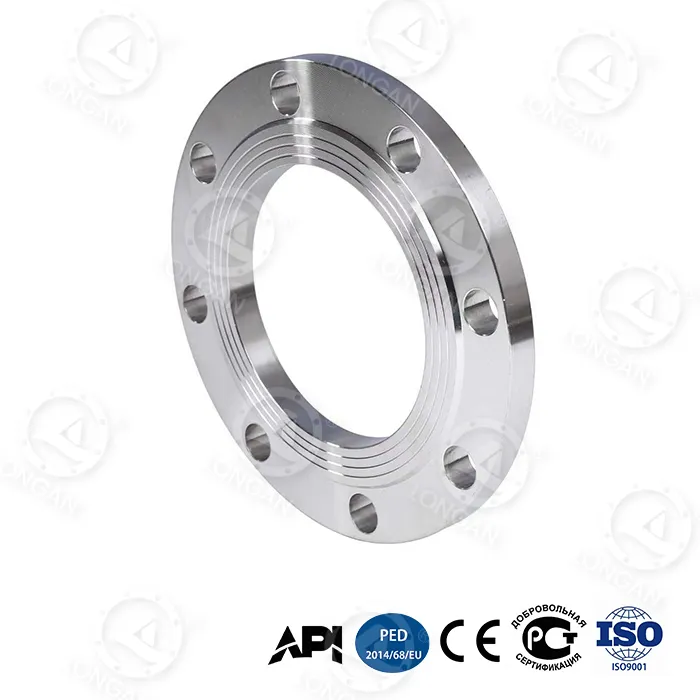
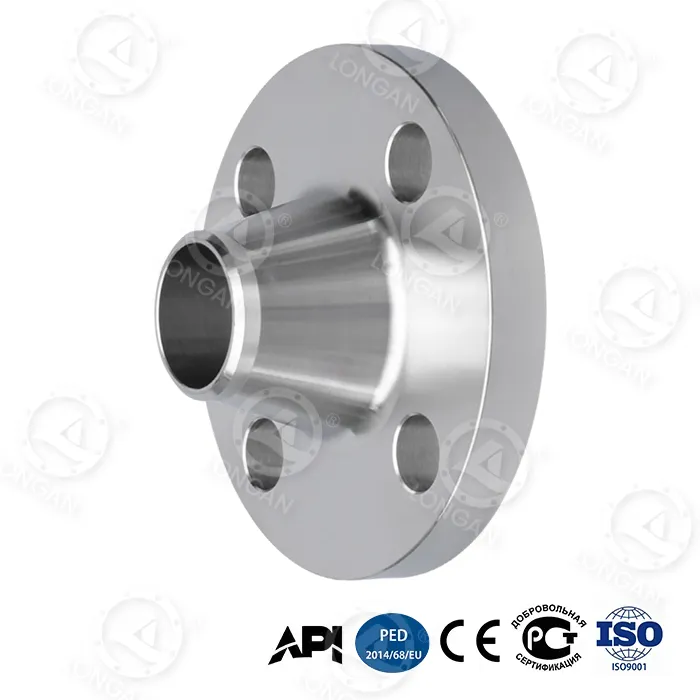
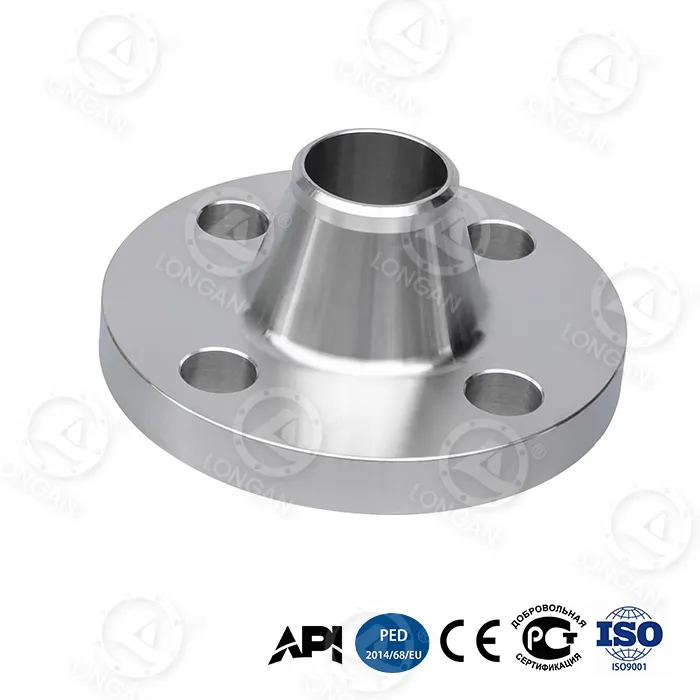
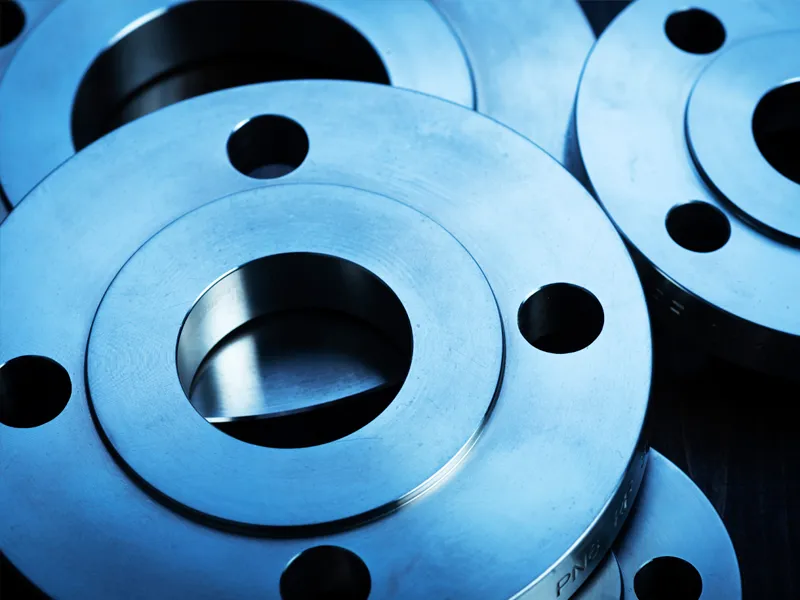
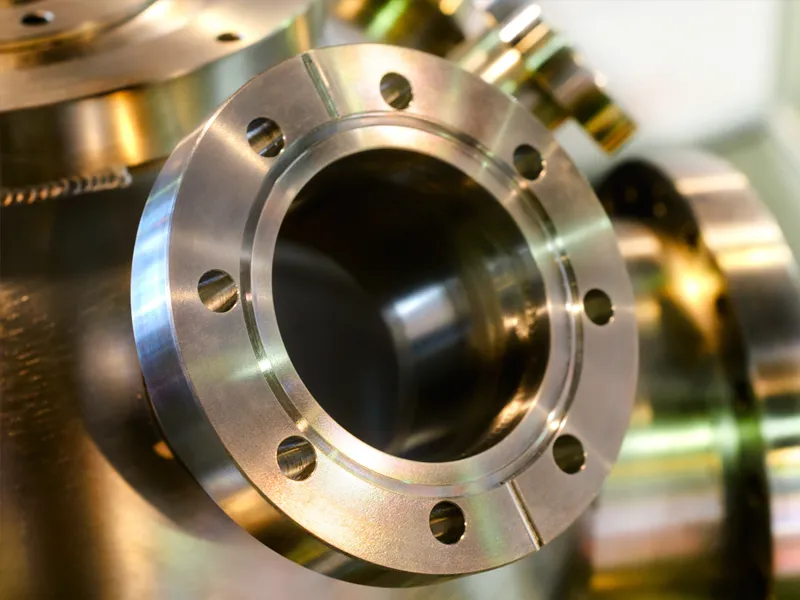
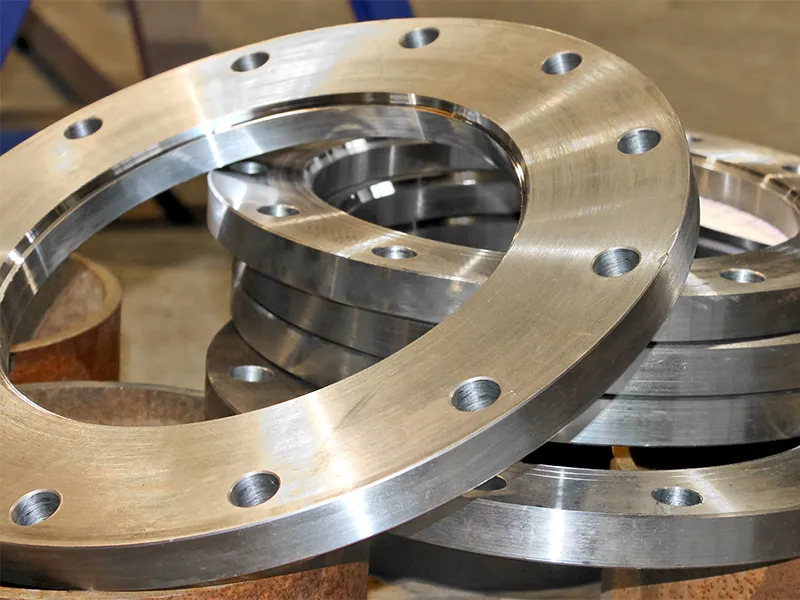
A flat face flange is a type of pipe flange where the entire flange surface is located on the same plane. Unlike raised face flanges that have an elevated sealing area, flat face designs provide complete surface contact between the flange and gasket.

This structure makes flat face flanges particularly suitable for systems where excessive bolt pressure could damage connected components. The flat sealing surface distributes compression evenly, helping protect fragile materials such as cast iron, fiberglass, and plastic-lined pipes.

Flat face flanges are commonly manufactured according to international standards, including ANSI, ASME, DIN, and JIS specifications. They are available in various materials such as carbon steel, stainless steel, and alloy steel to meet different operating environments.


Key Design Features and Technical Advantages

The performance of a flat face flange depends on its precision manufacturing, material quality, and structural design. High-quality flanges ensure reliable sealing performance and long service life in demanding industrial conditions.

Feature Description Industrial Benefit
Flat Sealing Surface The flange face remains completely level without a raised section. Provides uniform gasket compression and reduces stress concentration.
Multiple Material Options Available in carbon steel, stainless steel, and alloy materials. Suitable for different temperatures, pressures, and media.
Precision Bolt Alignment Accurately positioned bolt holes ensure secure installation. Improves connection stability and reduces leakage risks.
Standardized Dimensions Manufactured according to global flange standards. Allows compatibility with various piping systems.

The main advantages of using flat face flange products include:

  • Excellent compatibility with low-pressure and fragile piping systems.
  • Reduced risk of flange surface damage during installation.
  • Stable gasket performance under appropriate operating conditions.
  • Easy maintenance and replacement during pipeline repairs.
  • Flexible customization options for different industrial requirements.

Common Applications of Flat Face Flanges

Due to their reliable sealing characteristics, flat face flanges are widely applied in multiple industries. Their design makes them especially valuable where connection safety and equipment protection are important.

  • Water Treatment Systems: Used for pipelines transporting clean water, wastewater, and chemical treatment fluids.
  • Chemical Processing: Suitable for industrial systems requiring corrosion-resistant materials.
  • Power Generation: Applied in cooling systems, auxiliary pipelines, and fluid transportation networks.
  • Food and Beverage Processing: Stainless steel flat face flange options support hygienic piping connections.
  • Petroleum and Gas Industries: Used in pipeline systems requiring reliable mechanical connections.

For large-scale industrial projects, selecting a professional flange manufacturer is essential to ensure dimensional accuracy, material reliability, and long-term operating performance.


Flat Face Flange vs Raised Face Flange

Although both flat face and raised face flanges are designed for connecting pipes, they have different sealing structures and application advantages.

Comparison Item Flat Face Flange Raised Face Flange
Sealing Surface Entire flange surface is flat. Only the raised section contacts the gasket.
Pressure Distribution Provides even pressure distribution. Creates higher gasket pressure on a smaller area.
Main Applications Low-pressure systems and fragile equipment. High-pressure industrial piping systems.
Installation Consideration Requires proper gasket selection for effective sealing. Needs accurate alignment to avoid leakage.

Choosing between these two flange types depends on factors such as system pressure, pipeline materials, temperature requirements, and connection standards.


How to Choose the Right Flat Face Flange?

Selecting a suitable flat face flange requires careful consideration of several technical factors. The wrong flange selection may lead to leakage, premature failure, or increased maintenance costs.

  • Material Compatibility: Choose materials according to the transported medium and corrosion conditions.
  • Pressure Rating: Confirm that the flange pressure class matches the pipeline requirements.
  • Size and Standards: Verify flange dimensions, bolt patterns, and international standards.
  • Operating Temperature: Select materials capable of handling the working temperature range.
  • Gasket Selection: Use appropriate gasket materials to achieve effective sealing performance.

Working with an experienced China flange supplier can help buyers obtain customized solutions, accurate specifications, and reliable quality assurance for industrial projects.


Installation and Maintenance Recommendations

Proper installation plays an important role in maximizing the service life of a flat face flange connection. Even high-quality flange products may experience leakage problems if installation procedures are incorrect.

  • Inspect flange surfaces before installation to ensure they are clean and free from damage.
  • Select suitable gasket materials based on pressure, temperature, and fluid characteristics.
  • Tighten bolts evenly using a cross-pattern method to maintain balanced pressure.
  • Regularly check connections during operation to identify possible leakage issues.
  • Replace damaged gaskets during maintenance procedures.

Professional manufacturers usually provide technical support and quality inspection services to ensure flange products meet customer requirements before delivery.


Frequently Asked Questions About Flat Face Flange

1. What is the main advantage of a flat face flange?

The primary advantage of a flat face flange is its full-surface sealing design, which provides even gasket compression and helps prevent damage to connected equipment, especially in low-pressure piping applications.

2. Can flat face flanges be used for high-pressure systems?

Flat face flanges can be used in certain pressure applications when designed according to proper standards. However, engineers should evaluate pressure ratings, materials, and operating conditions before selection.

3. What materials are commonly used for flat face flanges?

Common materials include carbon steel, stainless steel, and alloy steel. Material selection depends on factors such as corrosion resistance, temperature requirements, and the characteristics of the transported medium.

4. How can I ensure the quality of a flat face flange supplier?

Buyers should evaluate manufacturing experience, production capability, quality inspection processes, international standards compliance, and customer support services before choosing a supplier.


Conclusion

A flat face flange is an essential component for creating safe, stable, and efficient piping connections across many industries. Its flat sealing surface, material flexibility, and compatibility with various pipeline systems make it a practical choice for industrial applications. By selecting the correct specifications and working with an experienced manufacturer, companies can improve system reliability and reduce maintenance requirements. If you need professional flange solutions with customized specifications and dependable quality support, please contact us to discuss your project requirements and receive expert assistance.

Related News
We use cookies to offer you a better browsing experience, analyze site traffic and personalize content. By using this site, you agree to our use of cookies. Privacy Policy
Reject Accept