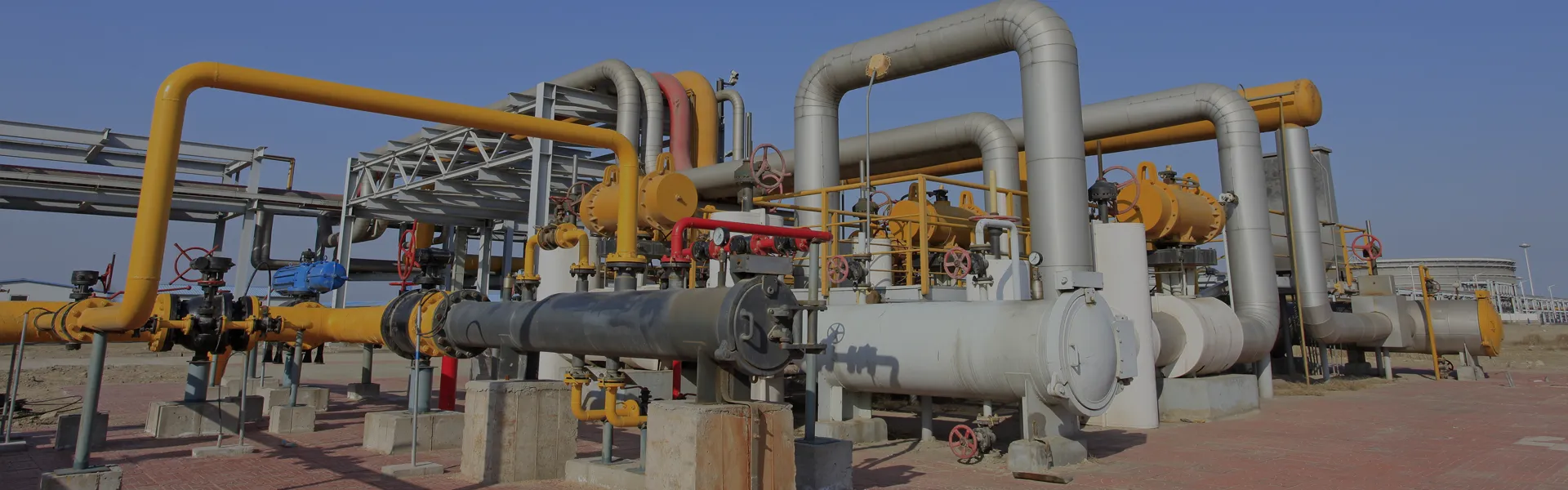
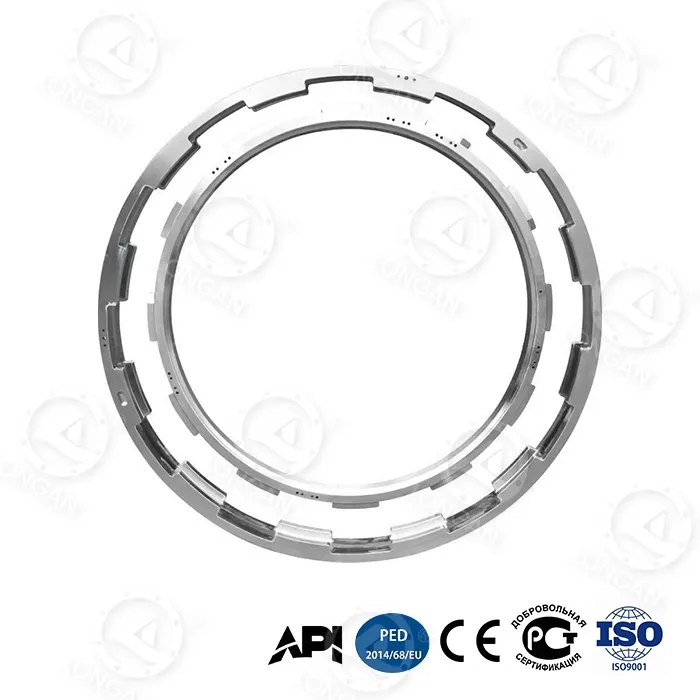
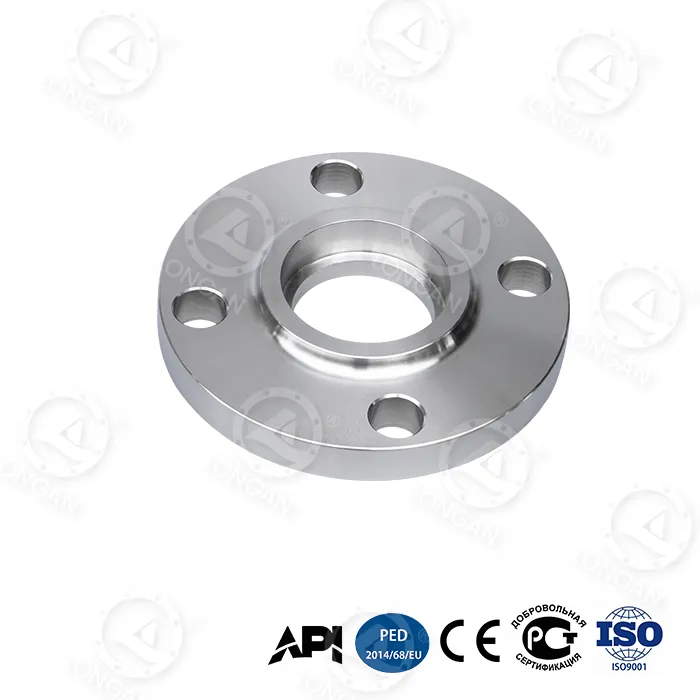
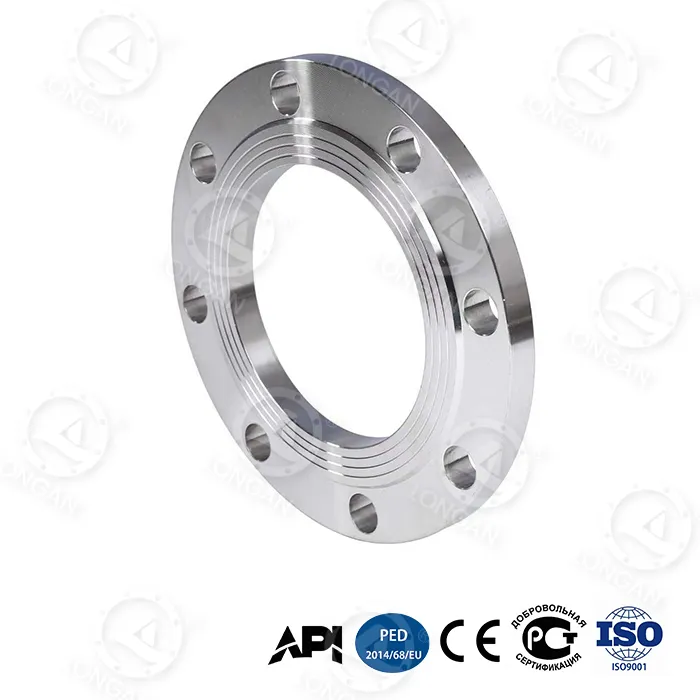
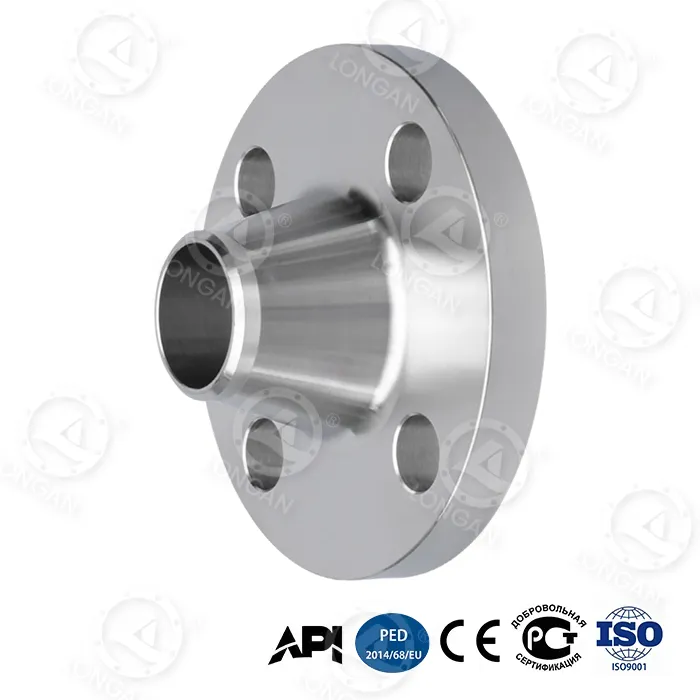
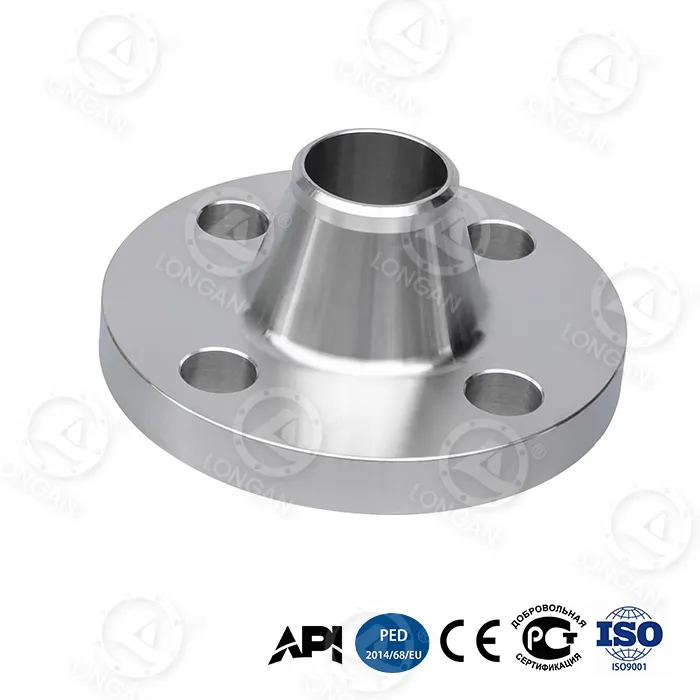
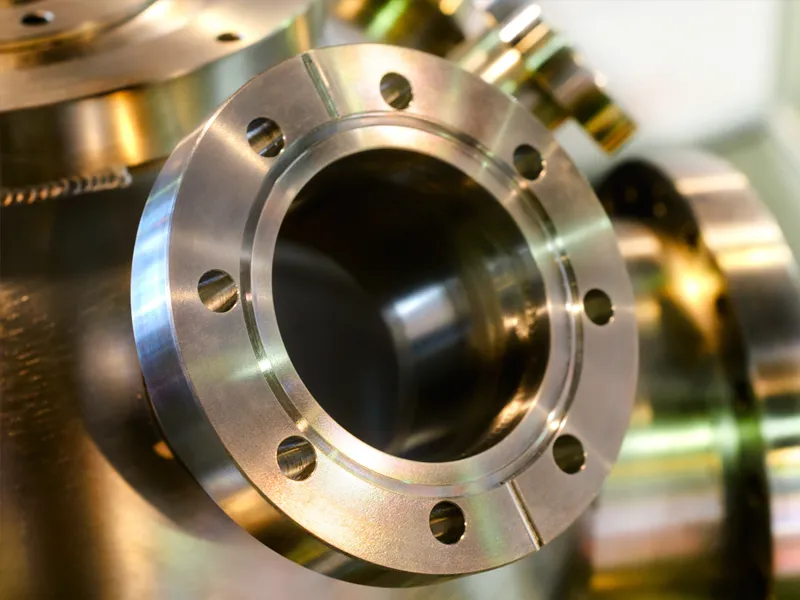
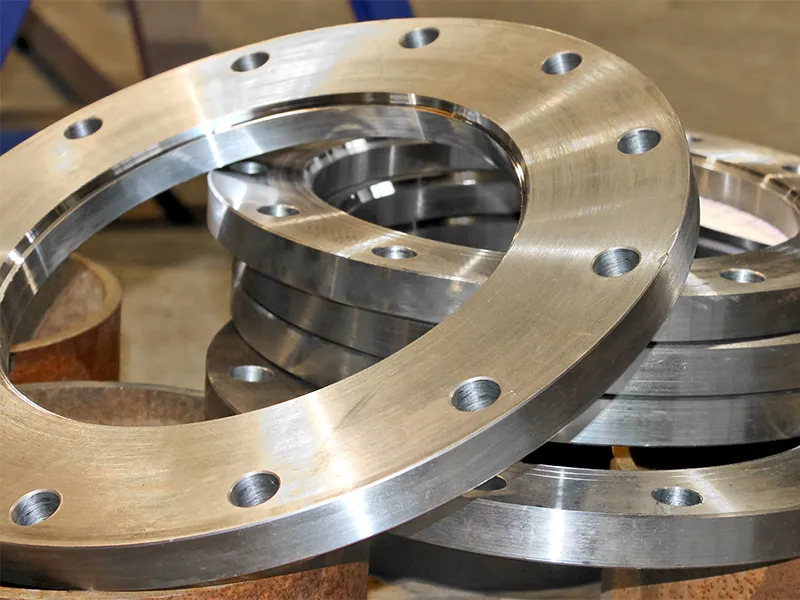
Stainless steel flanges play a critical role in modern industrial piping systems where strength, corrosion resistance, and long-term reliability are essential. This article explores why Stainless Steel Forging Flanges have become a trusted solution for industries such as oil and gas, chemical processing, power generation, shipbuilding, and water treatment. By understanding their manufacturing process, performance advantages, applications, and selection considerations, buyers can make better decisions when choosing reliable flange solutions.
When I work with customers searching for dependable connection solutions for demanding piping environments, I often recommend considering Stainless Steel Forging Flanges because they provide exceptional mechanical strength and durability. At Longan, we focus on manufacturing high-quality forged flange products designed to meet the strict requirements of different industrial systems.
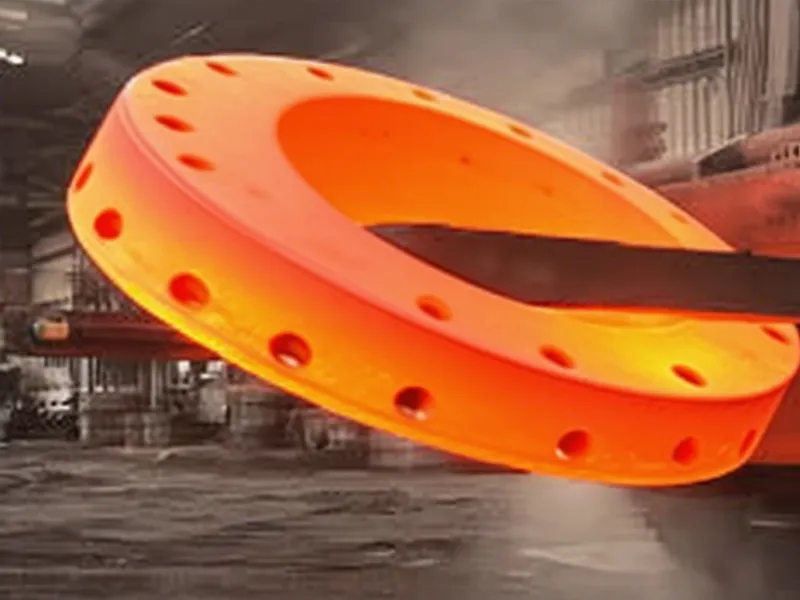
Unlike standard cast flanges, forged flanges are produced through controlled forging processes that improve material density and structural integrity. This makes them suitable for applications where pipelines must withstand high pressure, temperature changes, vibration, and corrosive conditions.
A flange is not simply a connecting component. It directly influences the safety, maintenance efficiency, and operating life of an entire piping system. Choosing the correct flange material and manufacturing method can reduce leakage risks, prevent unexpected downtime, and improve overall system performance.
Stainless steel is especially valuable because it combines excellent corrosion resistance with strong mechanical properties. Materials such as stainless steel 304, 316, and other specialized grades allow forged flanges to perform reliably in environments exposed to chemicals, moisture, saltwater, and extreme temperatures.
The manufacturing process of Stainless Steel Forging Flanges determines their final performance. Forging uses high pressure and controlled heat to reshape stainless steel billets into strong flange structures. Compared with traditional casting methods, forging creates a more uniform grain structure, reducing internal defects and improving resistance against mechanical stress.
A typical production process includes several important stages:
Through precise manufacturing control, forged stainless steel flanges can maintain stable performance even under harsh operating conditions. This is one of the reasons they are widely selected for critical industrial projects.
Selecting the right flange solution requires understanding the practical benefits it brings to a project. Stainless Steel Forging Flanges offer several advantages that make them suitable for long-term industrial use.
| Performance Feature | Benefit | Typical Application Value |
|---|---|---|
| High Mechanical Strength | Forged structure provides excellent resistance to pressure and impact | Suitable for high-pressure pipeline systems |
| Corrosion Resistance | Stainless steel materials resist rust and chemical damage | Ideal for chemical, marine, and processing industries |
| Long Service Life | Strong material structure reduces replacement frequency | Lowers maintenance costs over time |
| Dimensional Accuracy | Precision forging and machining improve connection reliability | Ensures better pipeline installation performance |
The biggest advantage of forged stainless steel flanges is their ability to maintain reliable performance over long operating periods. For industries where system failure can lead to significant losses, investing in durable flange components is a practical choice.
In addition, stainless steel forging technology allows manufacturers to produce different flange designs, pressure classes, and connection methods according to project requirements. This flexibility helps engineers select solutions that match specific operating conditions.
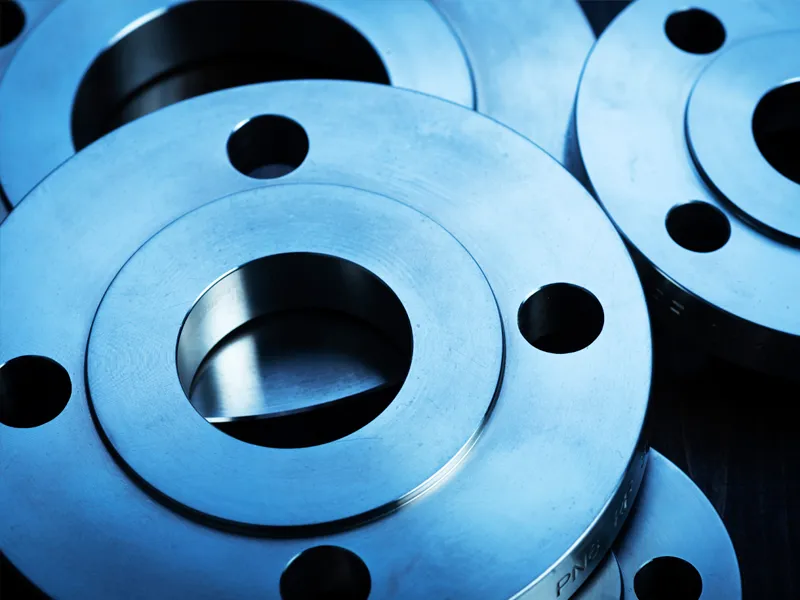
Different piping systems require different flange structures. Stainless Steel Forging Flanges are available in various designs to meet diverse installation and operation needs.
The choice of flange type depends on factors such as pipeline pressure, temperature, fluid characteristics, installation environment, and maintenance requirements. Selecting the correct design helps ensure safe and efficient operation.
Due to their excellent strength, corrosion resistance, and adaptability, Stainless Steel Forging Flanges are widely applied in industries that require safe and stable fluid transportation. Their reliable performance makes them an essential component in many critical piping systems.
The versatility of Stainless Steel Forging Flanges allows them to serve both standard industrial applications and highly specialized engineering projects. By selecting the correct stainless steel grade and flange specification, companies can achieve safer operations and longer equipment lifecycles.
When choosing flange components, engineers often compare forged stainless steel flanges with cast flanges or other metal flange solutions. Understanding the differences helps determine which option provides better value for a specific application.
| Comparison Factor | Stainless Steel Forging Flanges | Traditional Cast Flanges |
|---|---|---|
| Material Structure | Dense grain structure with improved mechanical strength | Higher possibility of internal defects due to casting process |
| Pressure Resistance | Excellent performance in high-pressure environments | Generally suitable for lower-pressure applications |
| Durability | Long service life with strong fatigue resistance | May require more frequent inspection and replacement |
| Application Range | Suitable for demanding industries and critical systems | Mainly used in general applications |
Although forged stainless steel flanges may require a higher initial investment, their superior reliability often reduces maintenance costs and operational risks in the long term. For industries where safety and continuous operation are priorities, forged solutions provide significant advantages.
Choosing the right flange requires more than simply selecting a material. Several technical factors should be evaluated to ensure compatibility with the entire piping system.
A professional manufacturer can provide technical support during material selection and production to help customers avoid compatibility problems and improve project efficiency.
Although Stainless Steel Forging Flanges are designed for durability, proper inspection and maintenance can further improve their service performance. Regular maintenance helps identify potential issues before they affect the entire piping system.
With appropriate installation and maintenance procedures, stainless steel forged flange systems can provide stable performance for many years, helping industries improve safety and reduce unexpected downtime.
Stainless Steel Forging Flanges are manufactured through forging processes that improve material density and mechanical strength. Compared with standard cast products, forged flanges generally provide better resistance to pressure, impact, and fatigue.
Common materials include stainless steel 304 and 316. Stainless steel 316 is often selected for applications requiring enhanced corrosion resistance, especially in marine, chemical, and coastal environments.
Yes. Their strong internal structure and excellent mechanical properties make them suitable for high-pressure pipelines, oil and gas systems, chemical processing equipment, and other demanding applications.
A reliable supplier should provide consistent product quality, accurate manufacturing capabilities, strict inspection procedures, and customization support. Reviewing production experience and technical expertise is important before making a purchasing decision.
Yes. Professional manufacturers can customize flange dimensions, pressure ratings, materials, connection types, and surface treatments according to specific project requirements.
Stainless Steel Forging Flanges provide an ideal combination of strength, corrosion resistance, precision, and long-term reliability for modern industrial piping systems. From oil and gas facilities to chemical plants and marine engineering projects, these forged components help ensure safer connections and more efficient operations.
As an experienced manufacturer, Longan is committed to providing dependable stainless steel flange solutions that meet different industrial requirements. Whether you need standard products or customized flange designs, our team can support your project with professional manufacturing capabilities and quality assurance. For detailed specifications, product recommendations, or customized solutions, please contact us today and discover how our Stainless Steel Forging Flanges can improve the reliability of your piping systems.
TradeManager
Skype
VKontakte