What Are the Key Benefits and Industrial Applications of a Steel Flat Flange
2025-12-23 09:27:53
What Are the Key Benefits and Industrial Applications of a <strong>Steel Flat Flange</strong>?
This in-depth article provides a professional and practical overview of the Steel Flat Flange,
a critical component in modern pipeline and pressure systems. From structural design and material selection
to industrial applications and international standards, this guide explains how Wenzhou Longan delivers high-performance Steel Flat Flange solutions that align with real-world engineering demands.
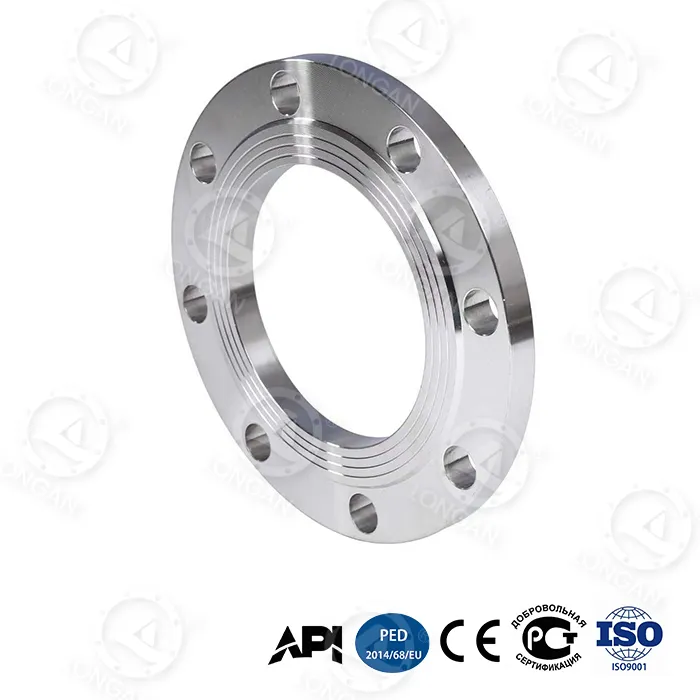
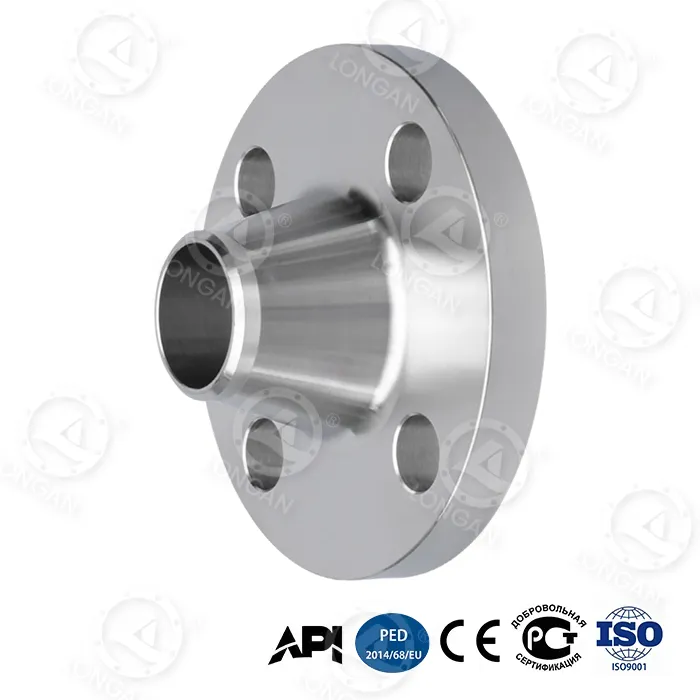
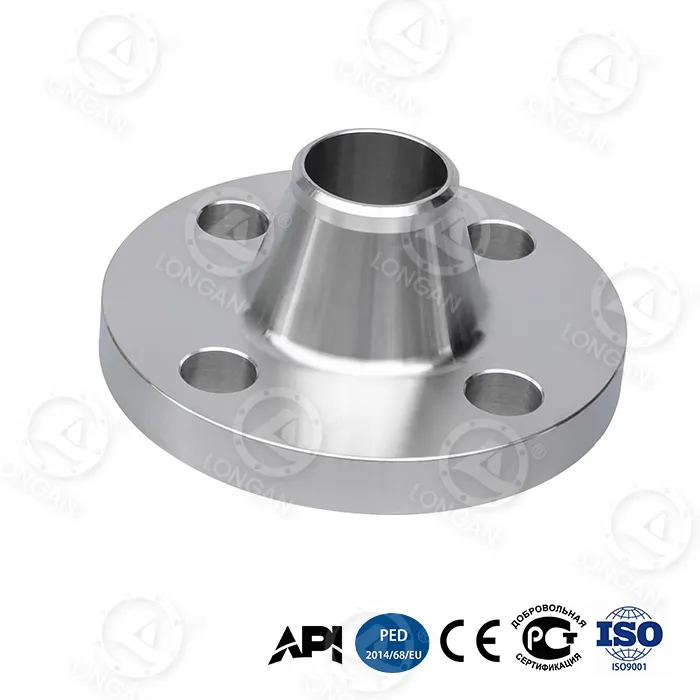
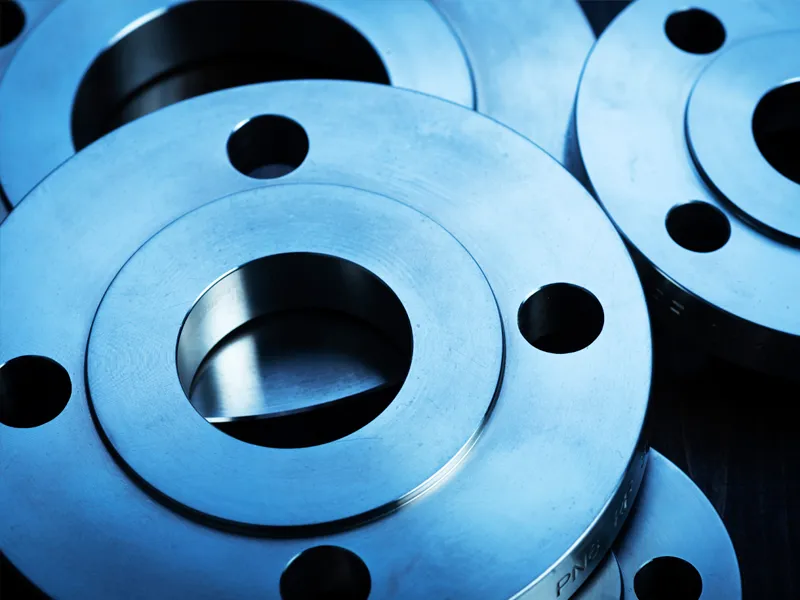
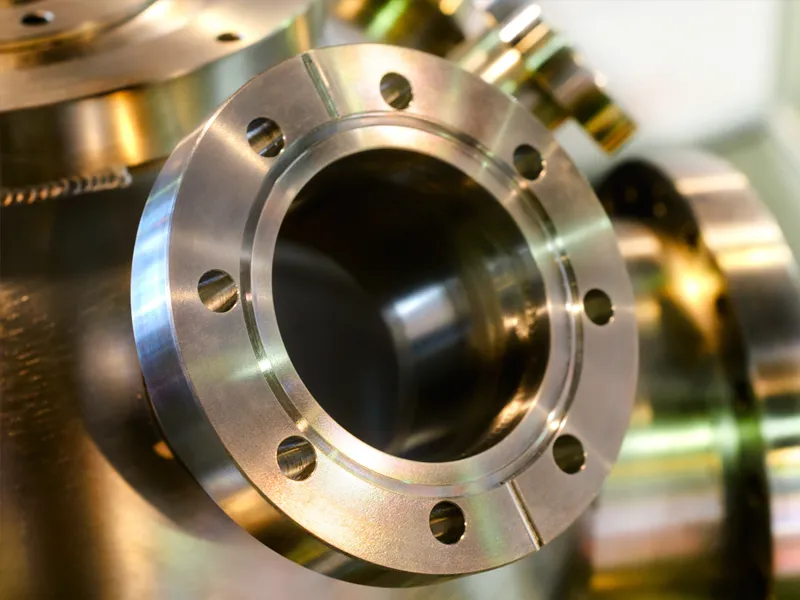
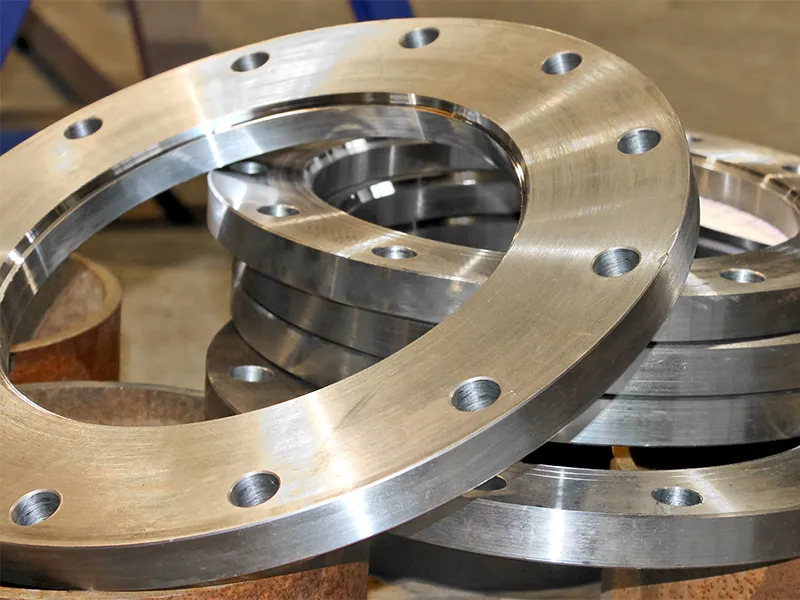
A Steel Flat Flange is a pipe connection component characterized by a flat sealing surface
that lies in the same plane as the bolt circle. It is widely used to connect pipes, valves, pumps,
and pressure vessels through bolted joints with gaskets to ensure sealing performance.
Compared with raised-face or ring-type flanges, the flat-face structure offers simplicity,
compatibility, and cost efficiency. The Wenzhou Longan Steel Flat Flange further enhances
this classic design through advanced structural reinforcement and precision manufacturing.
How Does a Steel Flat Flange Differ from Other Flanges?
Flange Type
Sealing Surface
Typical Pressure
Main Advantage
Steel Flat Flange
Flat face
Low to High
Simple structure, wide compatibility
Weld Neck Flange
Raised face
High
Superior stress distribution
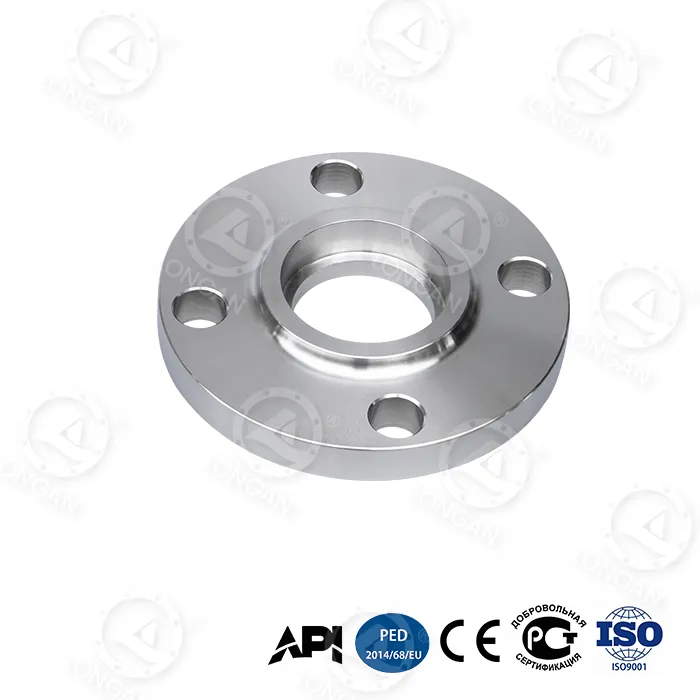
Slip-On Flange
Raised face
Medium
Easy installation
Why Choose Wenzhou Longan Steel Flat Flange?
Enhanced Structural Design: Reinforced geometry improves pressure resistance and fatigue life.
High Pressure Capability: Suitable for demanding oil, gas, and energy systems.
Precision Machining: Ensures uniform gasket contact and long-term sealing reliability.
International Certifications: Designed to meet ANSI, ASME, DIN, EN, and API standards.
The engineering expertise behind every Wenzhou Longan Steel Flat Flange reflects decades of
manufacturing experience and strict quality control, making it a trusted choice in global markets.
Materials and Standards Explained
A Steel Flat Flange can be produced using various materials depending on service conditions:
Carbon Steel (for general industrial use)
Stainless Steel (for corrosion resistance)
Alloy Steel (for high temperature and pressure)
Common standards include ASME B16.5, ASME B16.47, DIN, EN, JIS, and API 6A.
All Wenzhou Longan products strictly follow these specifications to ensure interchangeability
and safety.
Industrial Applications of Steel Flat Flange
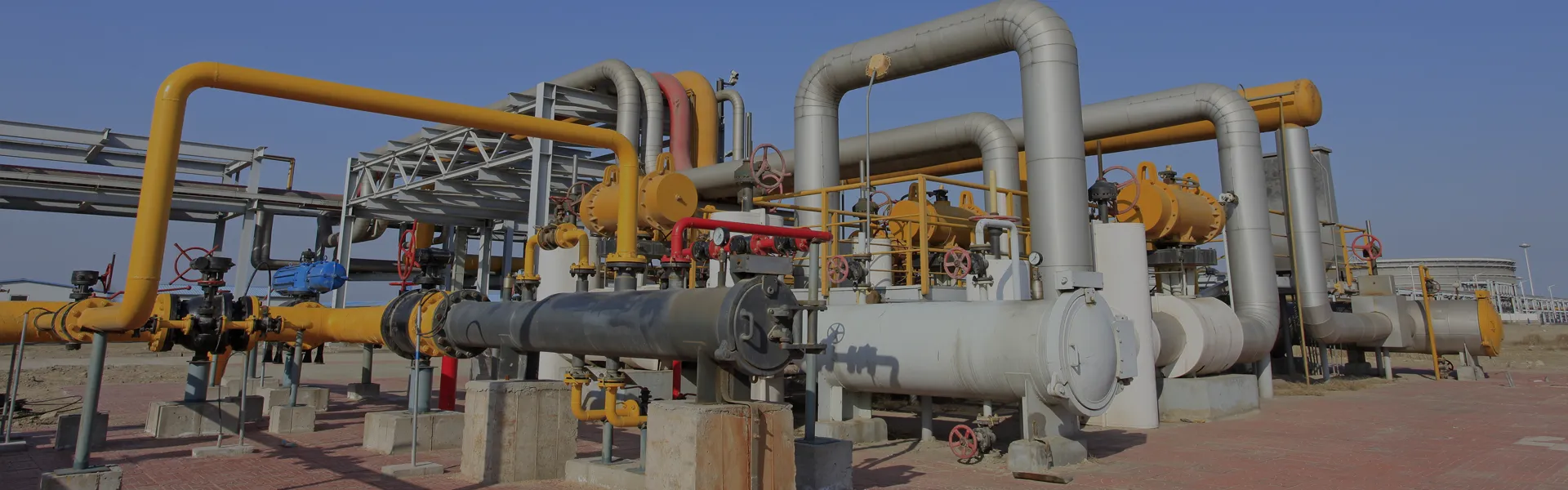
Oil & Gas pipelines and manifolds
Chemical and petrochemical plants
Power generation systems
Water treatment and desalination facilities
Heavy industrial manufacturing
How to Select the Right Steel Flat Flange?
Confirm operating pressure and temperature
Select compatible material grade
Match international or project-specific standards
Verify manufacturer certifications and testing reports
Choosing a proven supplier like Wenzhou Longan ensures long-term performance and reduced
maintenance risks.
Technical Specifications Table
Parameter
Range
Nominal Size
DN15 – DN1200+
Pressure Rating
PN16 – PN400 / Class 150 – 2500
Material Options
Carbon Steel, Stainless Steel, Alloy Steel
Frequently Asked Questions
Q1: Is a Steel Flat Flange suitable for high-pressure systems?
A: Yes. Advanced designs such as the Wenzhou Longan Steel Flat Flange are engineered for
high-pressure and critical applications.
Q2: What gasket is used with a flat flange?
A: Full-face gaskets are typically recommended to ensure proper sealing.
Q3: Can Steel Flat Flanges be customized?
A: Yes. Size, material, and standard customization are available upon request.
Conclusion & Contact Us
The Steel Flat Flange remains a cornerstone of safe and efficient piping systems.
With advanced engineering, strict quality control, and international compliance, Wenzhou Longan Steel Flat Flange products deliver reliability where it matters most.
Contact Us today to discuss your project requirements, request technical drawings,
or receive a competitive quotation for your next Steel Flat Flange application.
We use cookies to offer you a better browsing experience, analyze site traffic and personalize content. By using this site, you agree to our use of cookies.
Privacy Policy