News

What Is a High Pressure Flange and Why Is It Critical for Extreme Applications

2025-12-24 09:48:54

A High Pressure Flange is a vital mechanical component used to connect pipes, valves, pumps, and other equipment in systems operating under extreme pressure and temperature conditions. This in-depth guide explains what a high pressure flange is, how it works, common types, materials, international standards, and why correct selection is essential for safety, efficiency, and long-term performance. Drawing on industrial practices and manufacturing expertise, this article is designed to support engineers, procurement managers, and technical decision-makers seeking reliable flange solutions.

High Pressure Flange

Table of Contents

  1. What Is a High Pressure Flange?
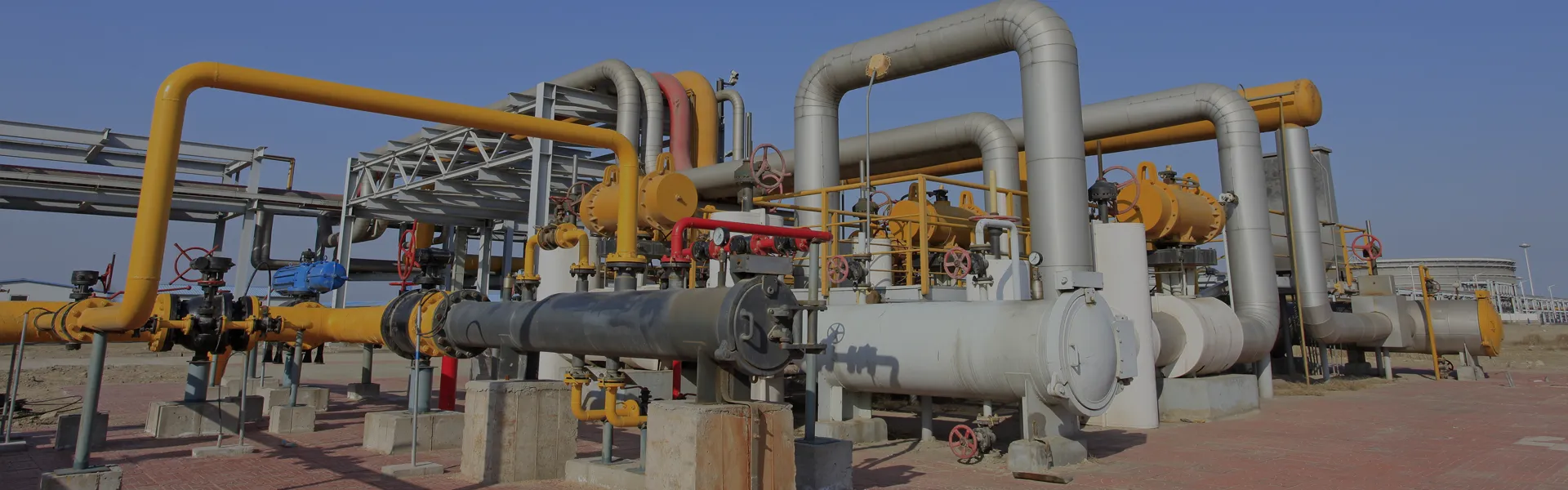
  2. Where Are High Pressure Flanges Used?
  3. Key Design Characteristics of High Pressure Flanges
  4. Materials Used in High Pressure Flanges
  5. International Standards and Pressure Ratings
  6. Common Types of High Pressure Flanges
  7. How to Select the Right High Pressure Flange
  8. Why Manufacturing Quality Matters
  9. Frequently Asked Questions (FAQ)

1. What Is a High Pressure Flange?

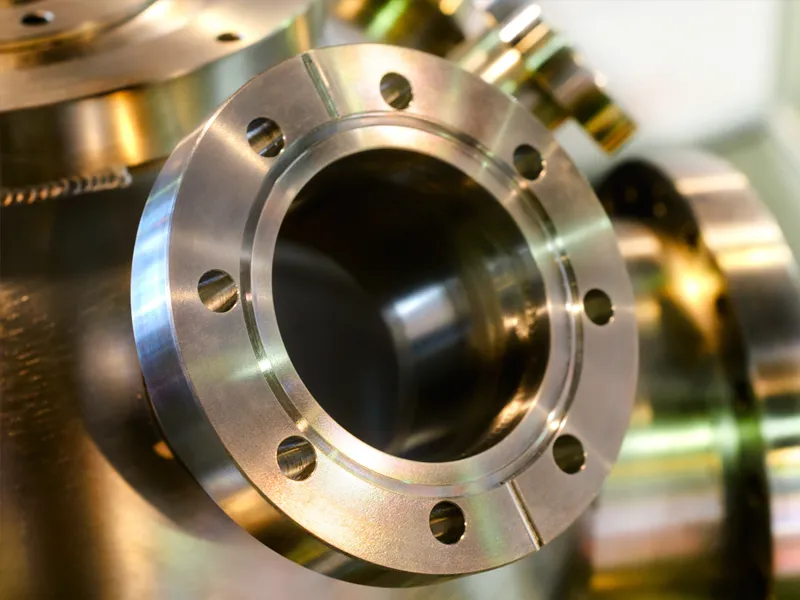
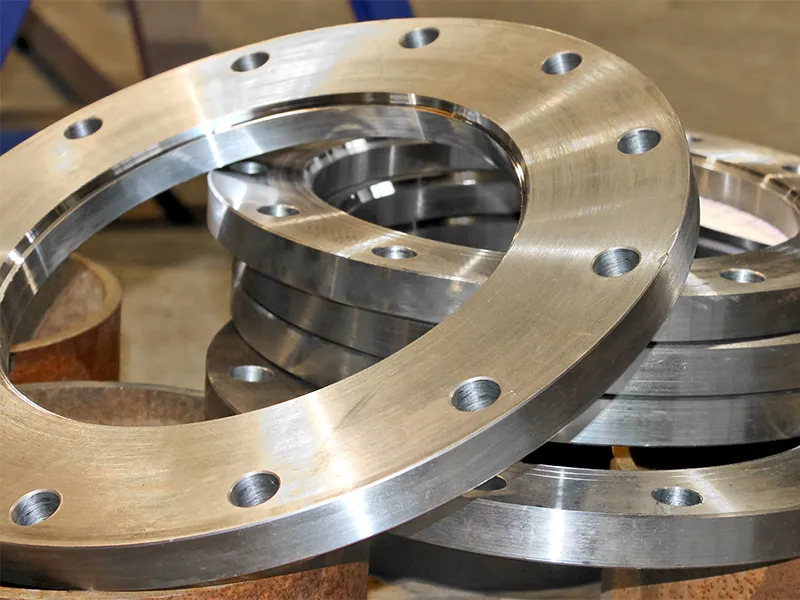
A High Pressure Flange is a specially engineered flange designed to withstand extremely high internal pressures, often exceeding standard ANSI Class 600 ratings. These flanges are commonly used in critical systems where leakage, deformation, or failure could lead to severe safety risks, environmental damage, or costly downtime.

Unlike standard flanges, a high pressure flange typically features:

  • Thicker walls and hubs
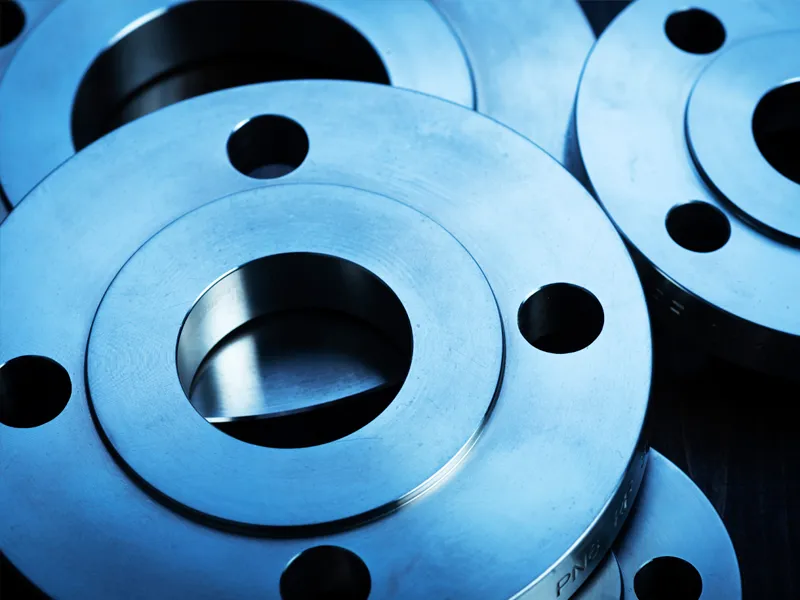
  • Precision-machined sealing surfaces
  • High-strength bolting requirements
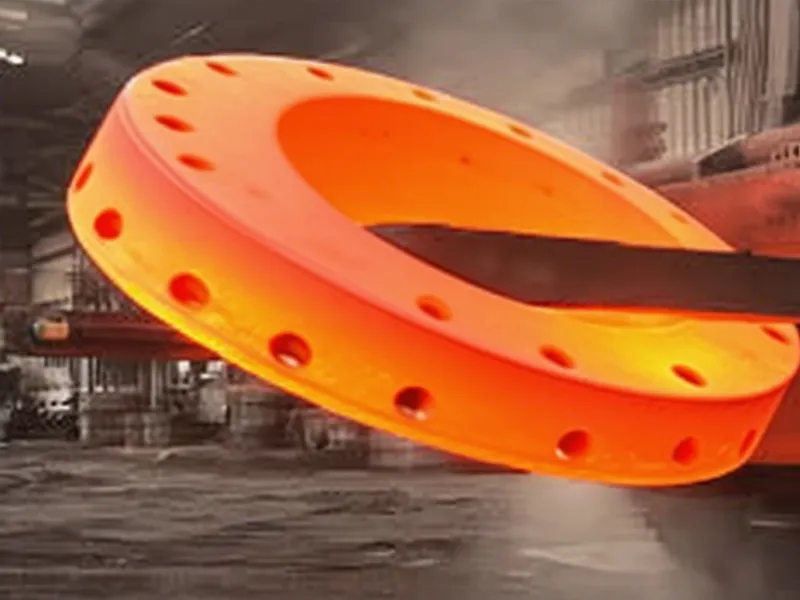
  • Advanced forging and heat treatment processes

According to industry references such as High Pressure Flange specifications, these components are designed to perform reliably under extreme mechanical stress.


2. Where Are High Pressure Flanges Used?

High pressure flanges are essential in industries where fluids or gases are transported at very high pressures and temperatures.

Industry Typical Application Pressure Conditions
Oil & Gas Wellheads, pipelines, offshore platforms Ultra-high pressure
Petrochemical Reactors, heat exchangers High pressure & temperature
Power Generation Boilers, steam systems High thermal stress
Chemical Processing Corrosive fluid transfer High pressure with corrosion risk

3. Key Design Characteristics of High Pressure Flanges

The performance of a high pressure flange depends heavily on its structural design. Key characteristics include:

  1. Forged Construction – Improves grain flow and mechanical strength
  2. Thick Hub Design – Reduces stress concentration
  3. Precision Sealing Faces – Ensures leak-free performance
  4. High-Grade Bolting – Maintains clamping force under pressure

These design elements allow a high pressure flange to outperform standard flange solutions in demanding environments.


4. Materials Used in High Pressure Flanges

Material selection is critical for ensuring the durability and safety of a high pressure flange. Common materials include:

  • Carbon Steel (A105, A350 LF2)
  • Alloy Steel (F11, F22, F91)
  • Stainless Steel (F304, F316)
  • Nickel Alloys (Inconel, Monel)

The choice depends on pressure level, temperature range, corrosion resistance, and compliance with project specifications.


5. International Standards and Pressure Ratings

High pressure flanges must comply with strict international standards to ensure safety and compatibility. Common standards include:

  • ASME B16.5 & ASME B16.47
  • API 6A
  • EN 1092-1 (custom high-pressure designs)

Pressure ratings can exceed ANSI Class 2500 or be customized for special applications.


6. Common Types of High Pressure Flanges

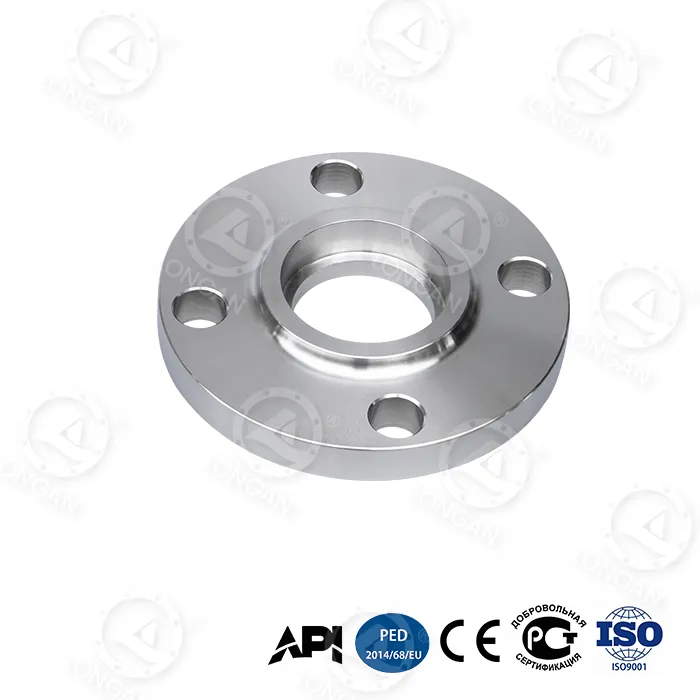
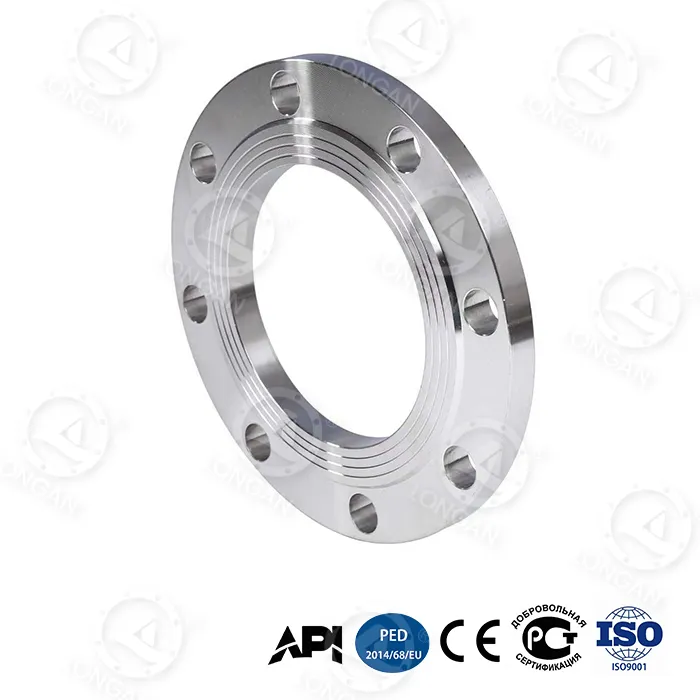
Several flange types are commonly used in high-pressure systems:

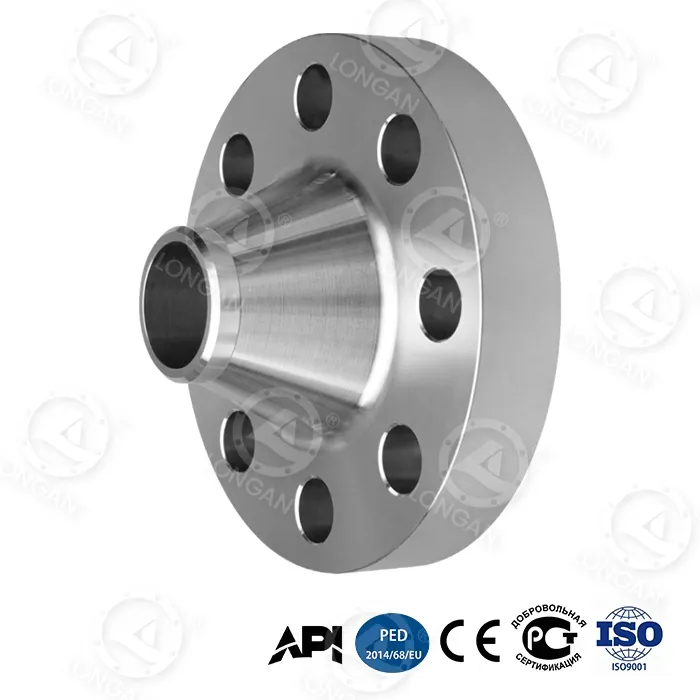
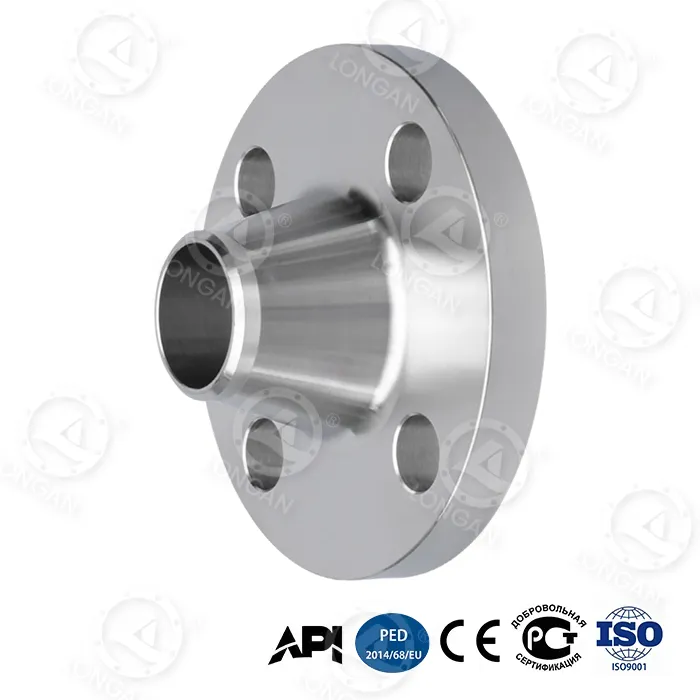
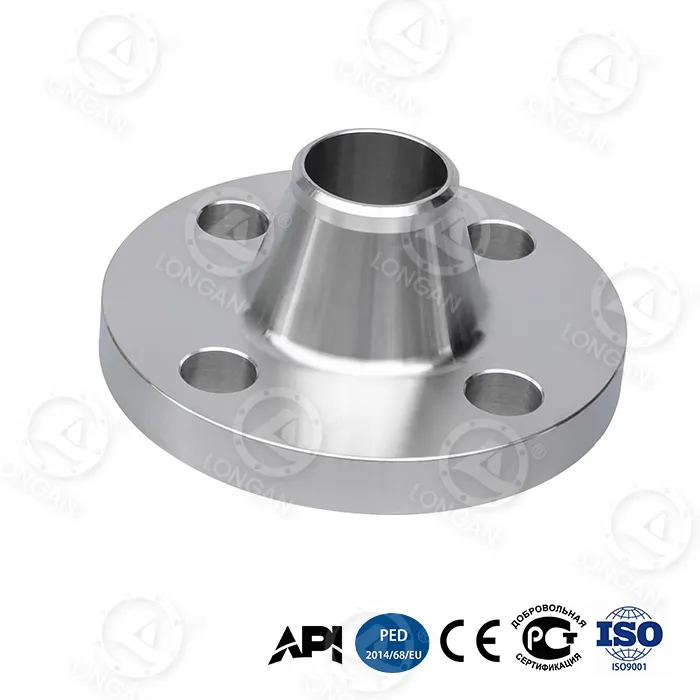
  • Weld Neck High Pressure Flange
  • Blind High Pressure Flange
  • Threaded High Pressure Flange
  • Custom Forged High Pressure Flange

Each type serves a specific function depending on system layout and maintenance needs.


7. How to Select the Right High Pressure Flange

Selecting the correct high pressure flange requires careful evaluation of:

  1. Operating pressure and temperature
  2. Fluid type and corrosion potential
  3. Applicable standards and certifications
  4. Installation and maintenance requirements

Working with an experienced manufacturer helps reduce risks and ensures long-term reliability.


8. Why Manufacturing Quality Matters

The reliability of a high pressure flange is directly linked to manufacturing quality. Precision forging, strict dimensional control, and rigorous testing are essential.

Longan focuses on controlled production processes, material traceability, and compliance with international standards to deliver dependable high pressure flange solutions.


Frequently Asked Questions (FAQ)

Q1: What pressure range defines a high pressure flange?

Generally, flanges rated above ANSI Class 600 are considered high pressure, though custom designs may exceed Class 2500.

Q2: Are high pressure flanges always forged?

Yes, forging is preferred because it provides superior mechanical strength compared to casting.

Q3: Can high pressure flanges be customized?

Absolutely. Dimensions, materials, and pressure ratings can be tailored to specific project requirements.


Conclusion

A high pressure flange is a critical component for ensuring safety, efficiency, and reliability in extreme operating conditions. Understanding its design, materials, standards, and applications allows engineers and buyers to make informed decisions.

If you are looking for dependable high pressure flange solutions backed by manufacturing expertise, we invite you to contact us at Longan to discuss your project requirements and receive professional support.

Related News
We use cookies to offer you a better browsing experience, analyze site traffic and personalize content. By using this site, you agree to our use of cookies. Privacy Policy
Reject Accept