What Is a Welding Flange and Why Is It Crucial for Pipe Systems
2026-01-08 09:05:24
This article explores the essential role of welding flanges in pipe systems, highlighting their importance in industrial applications. We will discuss their structure, types, applications, and the benefits they offer in terms of safety, efficiency, and cost-effectiveness. Moreover, we will provide a detailed guide on selecting the right welding flange for specific needs.
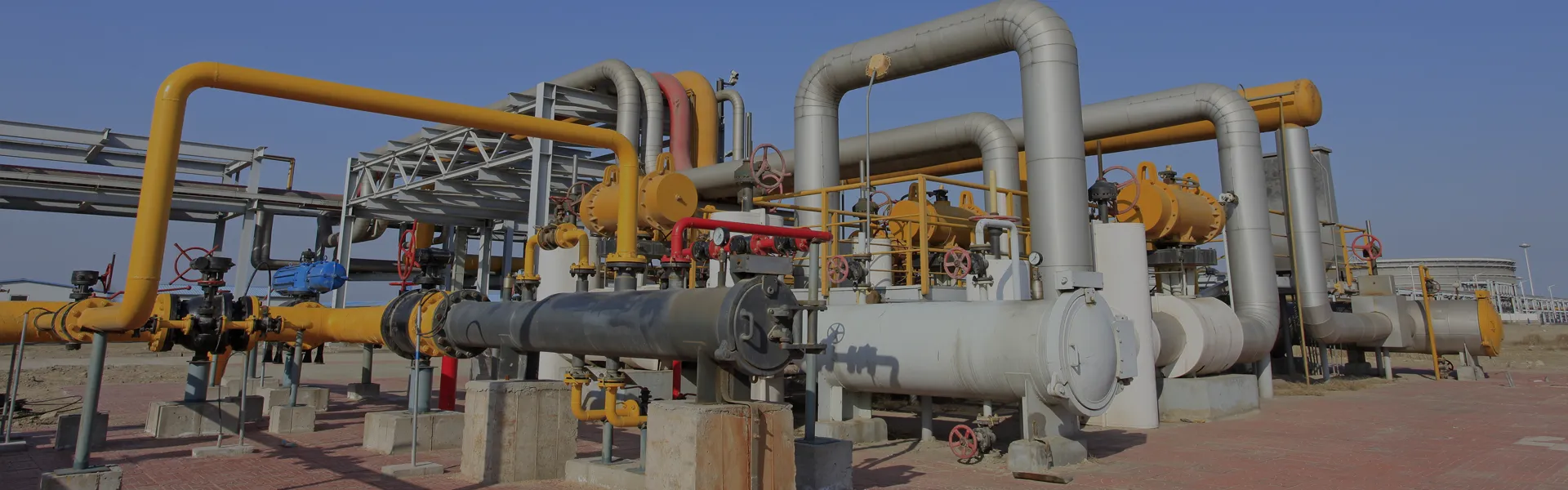
In any industrial piping system, flanges are a fundamental component. The welding flange, in particular, is widely used for joining pipes, valves, and other equipment. This article will delve into what welding flanges are, why they are so important, and how to choose the best one for your piping projects.
What Is a Welding Flange?
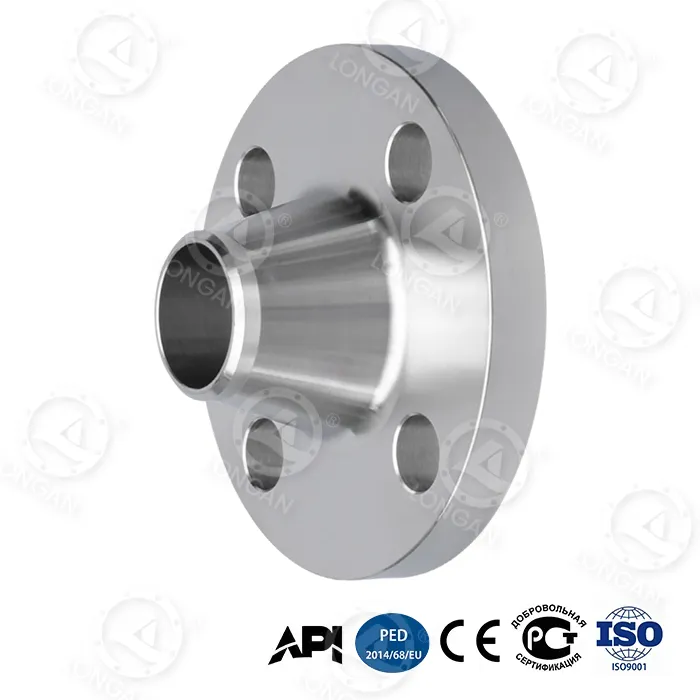
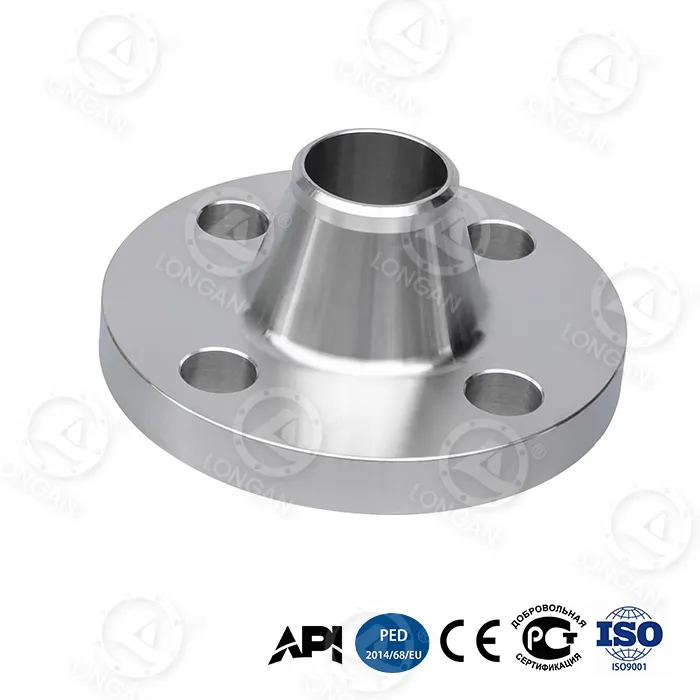
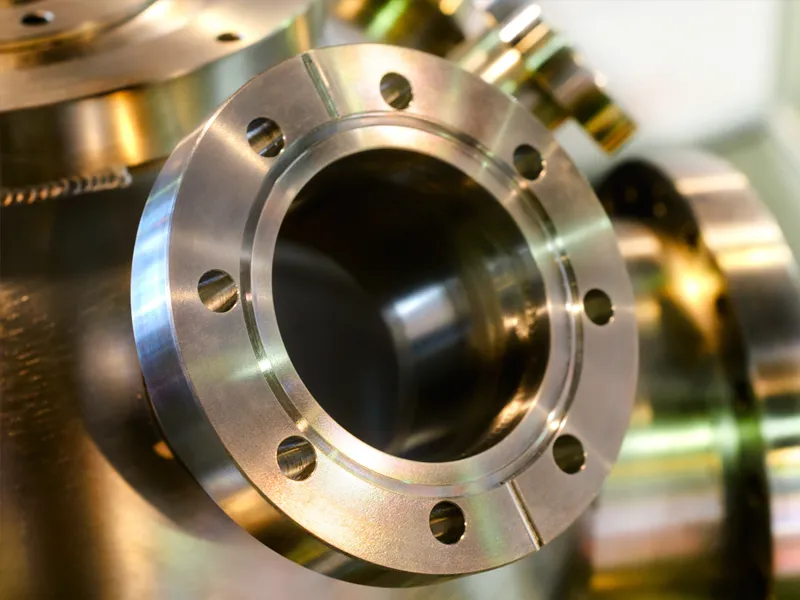
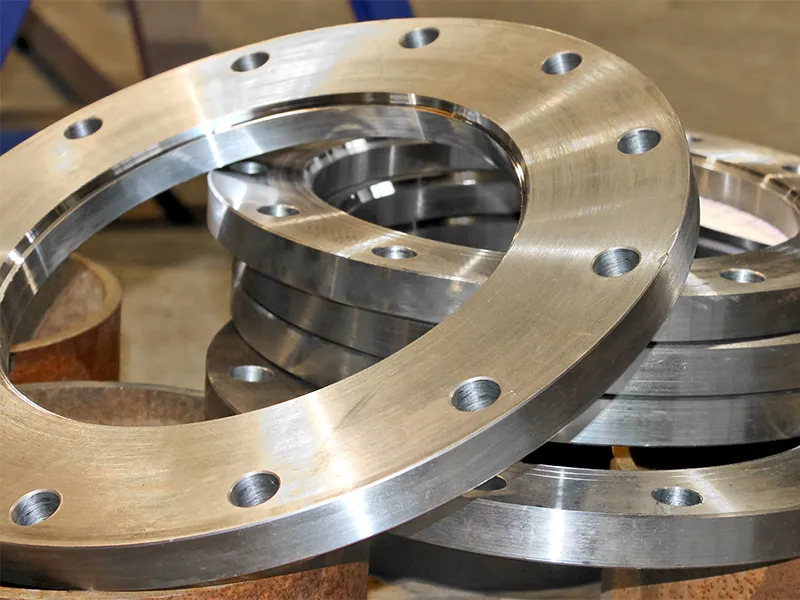
A welding flange is a type of mechanical component used to connect two pipes or sections of a pipeline. Typically, the flange is welded to the pipe, making it a strong and secure joint. It allows for easy assembly and disassembly in pipe systems, providing access for cleaning, maintenance, and repairs.
Key Features of Welding Flanges:
Durability: Welding flanges are built to withstand high pressures and extreme temperatures.
Flexibility: They allow for the easy addition or removal of components in a pipeline.
Versatility: Available in various materials, sizes, and designs to suit specific needs.
Types of Welding Flanges
Welding flanges come in several types, each designed for specific applications. Here are some of the most common:
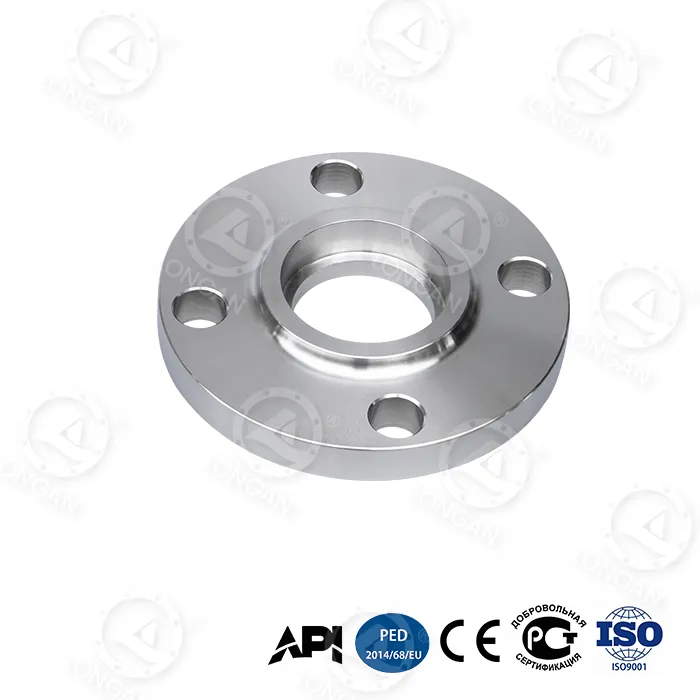
Socket Weld Flanges
These are ideal for smaller-diameter pipes where a secure weld is essential. They are commonly used in high-pressure systems.
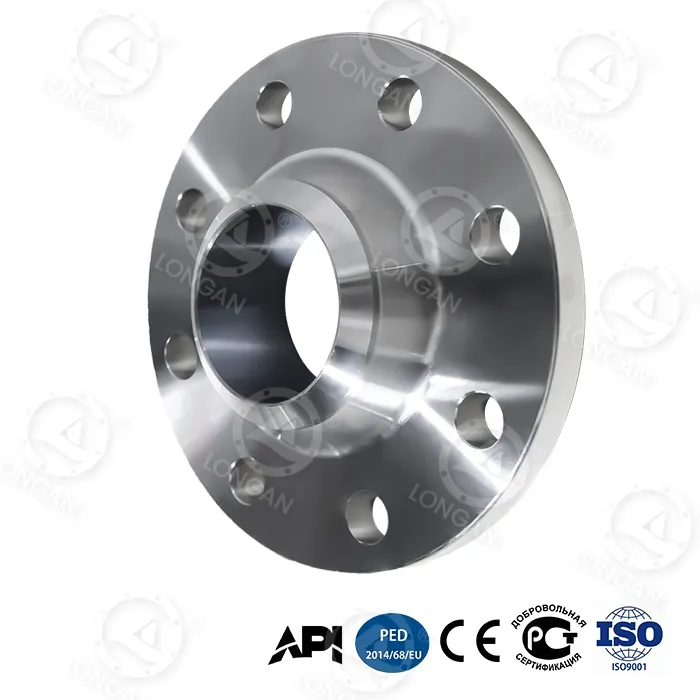
Butt Weld Flanges
Designed for larger diameter pipes, butt weld flanges are used where the pipe wall needs to be fully welded to the flange.
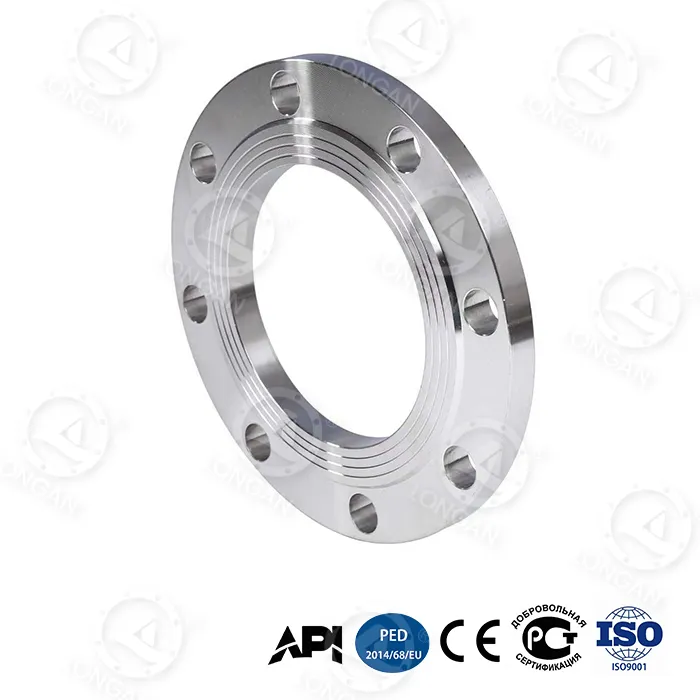
Slip-On Welding Flanges
These flanges slip over the pipe and are welded both inside and outside. They are easier to install and are commonly used in low-pressure systems.
Benefits of Using Welding Flanges
Strength and Leak Resistance
Welding flanges provide superior strength, which reduces the risk of leaks in high-pressure and high-temperature environments.
Cost-Effective
Though the initial installation cost may be higher, welding flanges are durable, reducing maintenance and replacement costs in the long term.
Ease of Maintenance
Welding flanges allow easy disassembly, making maintenance and upgrades more efficient.
Customization
Welding flanges are available in a wide range of sizes and materials, making them suitable for various industrial applications, from oil and gas pipelines to chemical processing plants.
How to Choose the Right Welding Flange
Selecting the right welding flange involves considering factors such as material, pressure ratings, size, and application. Here's a checklist to help you make an informed decision:
Factor
Considerations
Material
Choose materials that are compatible with the chemicals or fluids being transported. Common materials include carbon steel, stainless steel, and alloys.
Size and Pressure Rating
Ensure that the flange matches the pipe size and can withstand the system's pressure requirements.
Application Type
For high-pressure systems, consider butt weld flanges. For easier assembly, slip-on flanges may be more appropriate.
Applications of Welding Flanges
Welding flanges are used in a wide range of industries, including:
Oil and Gas: Ensuring secure connections for pipelines in offshore rigs and refineries.
Chemical Industry: Facilitating leak-proof connections in chemical processing plants.
Water Treatment: Offering reliable connections for piping in water treatment plants.
Power Plants: Enabling high-pressure connections in thermal and nuclear power plants.
FAQ
What is the difference between a welding flange and a standard flange?
A welding flange requires welding to the pipe, providing a stronger and more permanent connection, while a standard flange typically bolts onto the pipe.
Can welding flanges be used in high-temperature applications?
Yes, welding flanges are suitable for high-temperature environments, especially when made from materials like stainless steel or alloys.
How do I maintain welding flanges?
Regular inspection and maintenance are crucial for ensuring welding flanges remain leak-proof. Check for signs of wear, corrosion, and potential leakage.
Conclusion
Welding flanges play a pivotal role in ensuring the safety, durability, and efficiency of pipe systems in various industrial applications. By understanding the different types, benefits, and selection criteria, you can make informed decisions that will enhance your piping system's performance. Always choose the right welding flange for your specific needs to ensure long-lasting, leak-free connections.
Contact Us
If you're looking for reliable and high-quality welding flanges for your projects, Longan is here to provide you with the best solutions. Visit our website or contact us today to learn more about our products and how we can assist you with your piping needs.
We use cookies to offer you a better browsing experience, analyze site traffic and personalize content. By using this site, you agree to our use of cookies.
Privacy Policy