News

What Is a Flat Flange and How Does It Work in Piping Systems

2026-01-05 09:10:24

A Flat Flange is one of the most widely used flange types in industrial piping systems, known for its simple structure, cost efficiency, and reliable sealing performance in low to medium pressure applications. In this article, we explore what a flat flange is, how it works, its key advantages, materials, standards, applications, and how to choose the right flat flange for your project.

Flat Flange

Table of Contents


What Is a Flat Flange?

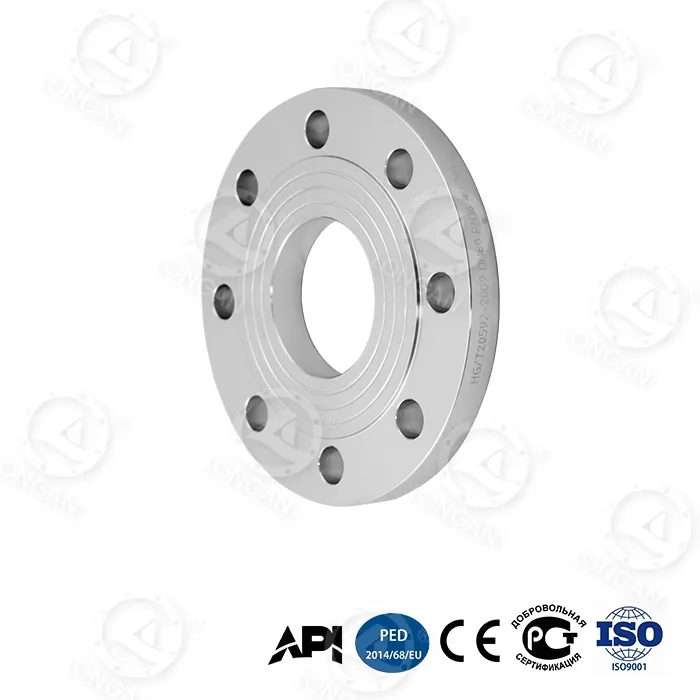
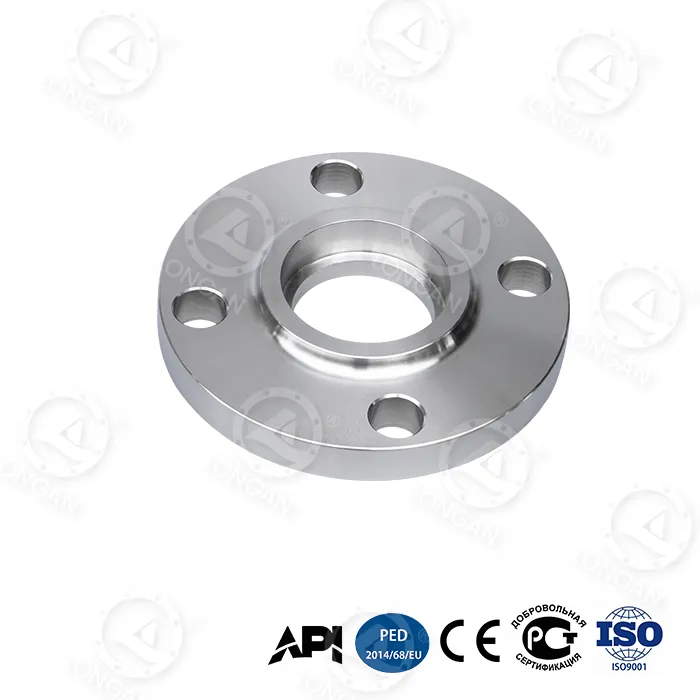
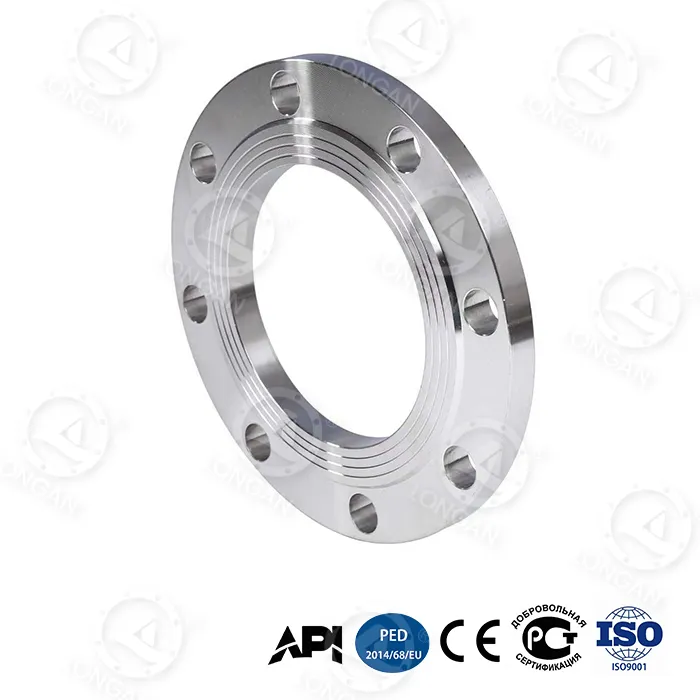
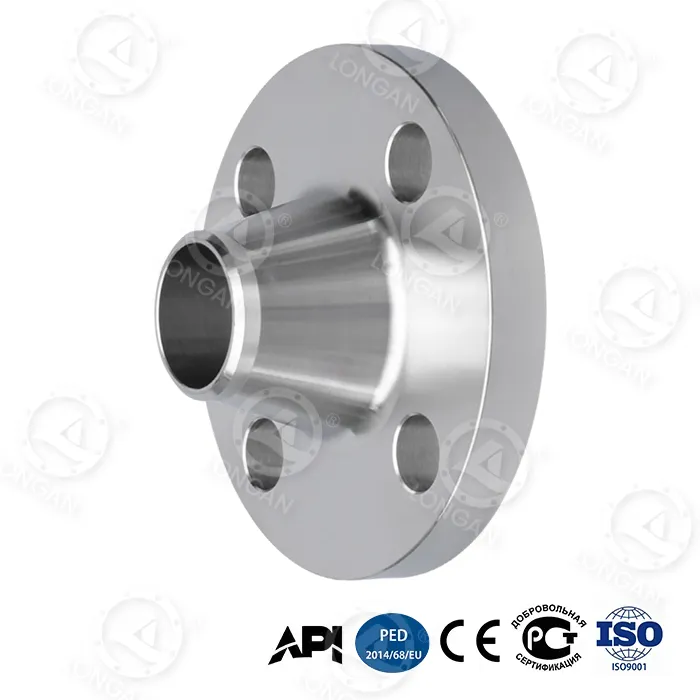
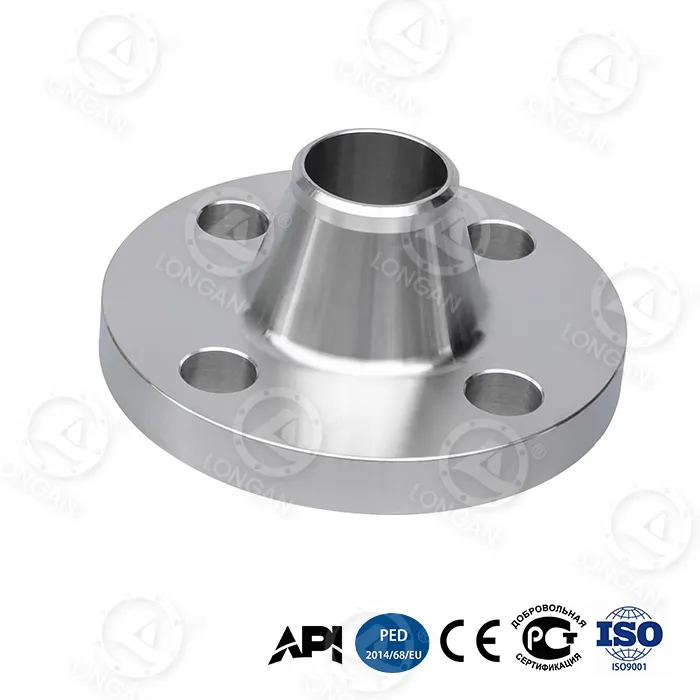
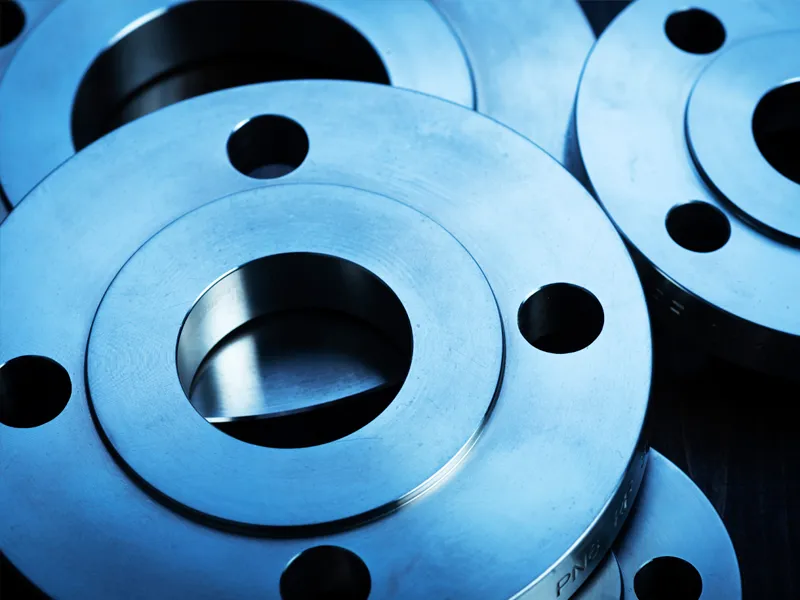
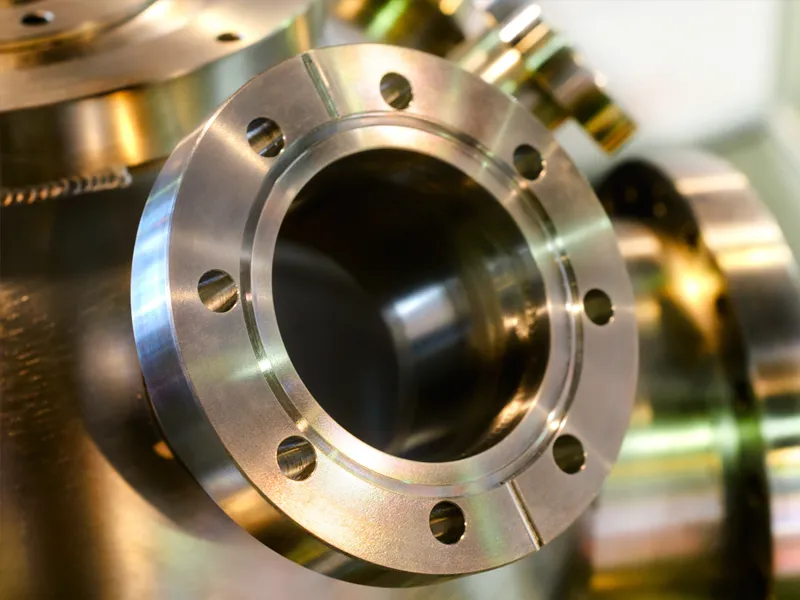
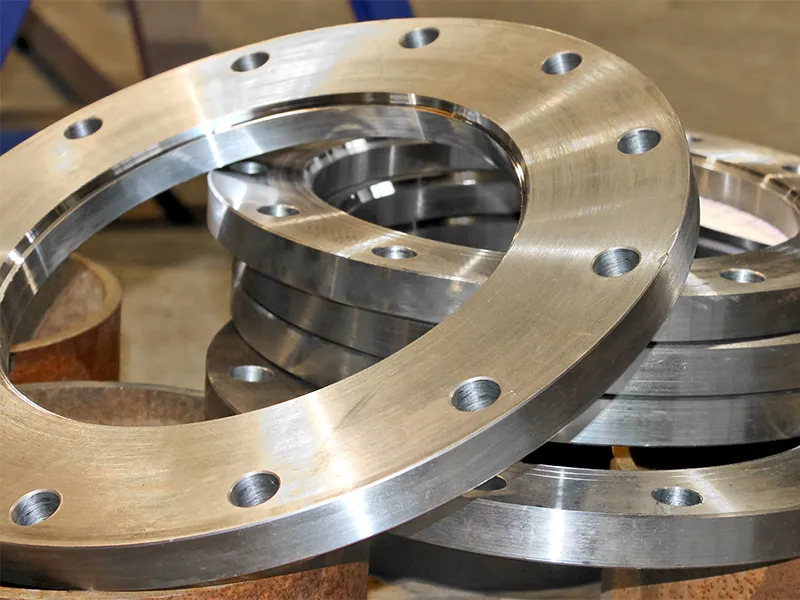
A Flat Flange, sometimes referred to as a flat plate flange or flat welding flange, is a type of pipe flange characterized by its flat surface and simple circular disc shape with evenly spaced bolt holes. Unlike raised face or ring-type joint flanges, the sealing surface of a flat flange is completely flat, making it ideal for applications where extreme pressure resistance is not required.

Flat flanges are typically welded directly to the pipe or connected using bolts and gaskets. Because of their straightforward design, they are easier to manufacture and install, which significantly reduces overall project costs.


How Does a Flat Flange Work?

The working principle of a Flat Flange is relatively simple yet highly effective. Two flat flanges are aligned face-to-face, with a gasket placed between them. Bolts are then inserted through the bolt holes and tightened evenly to create a sealed joint.

When properly installed, the compression force applied to the gasket ensures a leak-tight seal, preventing fluid or gas from escaping the piping system. This makes flat flanges especially suitable for:

  • Low-pressure pipelines
  • Ambient or moderate temperature environments
  • Water, oil, air, and non-corrosive media

Key Structural Features of a Flat Flange

Understanding the structure of a flat flange helps engineers evaluate whether it fits their application requirements.

Feature Description Benefit
Flat sealing face No raised or grooved surface Easy gasket alignment
Uniform bolt holes Evenly distributed around flange Balanced tightening force
Simple disc shape No neck or hub Lower manufacturing cost
Weld or bolt connection Compatible with multiple joining methods Flexible installation

Flat Flange vs Other Flange Types

When selecting flanges, engineers often compare flat flanges with other common types such as weld neck flanges and slip on flanges.

Flange Type Pressure Rating Cost Typical Use
Flat Flange Low to medium Low Water, air, oil pipelines
Weld Neck Flange High High High-pressure systems
Slip On Flange Medium Medium General industrial piping

Compared with more complex designs, the Flat Flange excels in simplicity and economy, making it a popular choice for standard industrial projects.


Common Materials Used for Flat Flanges

Material selection directly affects the durability and performance of a flat flange. Common materials include:

  • Carbon steel – cost-effective and widely used
  • Stainless steel – corrosion-resistant and hygienic
  • Alloy steel – suitable for higher temperature applications
  • Cast iron – ideal for water supply systems

Manufacturers like Longan offer flat flanges in multiple materials to meet diverse industrial requirements.


Standards and Dimensions for Flat Flanges

Flat flanges are produced according to international standards to ensure interchangeability and safety. Common standards include:

  • ANSI / ASME
  • DIN
  • EN
  • JIS
  • GB

For detailed specifications, you can refer to this Flat Flange technical reference, which provides dimensional charts and material options.


Typical Applications of Flat Flanges

Thanks to their versatility, flat flanges are widely used across industries:

  • Water treatment plants
  • HVAC systems
  • Oil and gas pipelines (low pressure)
  • Chemical processing
  • Power generation facilities

How to Choose the Right Flat Flange

When selecting a flat flange, consider the following factors:

  1. Operating pressure and temperature
  2. Pipe size and flange dimensions
  3. Medium type (corrosive or non-corrosive)
  4. Applicable standards
  5. Budget constraints

A well-matched flat flange ensures safety, efficiency, and long-term performance.


Installation and Maintenance Tips

  • Ensure flange faces are clean and smooth
  • Use compatible gaskets
  • Tighten bolts evenly in a cross pattern
  • Inspect periodically for leakage

Why Choose Longan Flat Flanges?

With years of experience in flange manufacturing, Longan provides reliable flat flange solutions that meet global standards. From material selection to quality inspection, every flat flange is designed to deliver consistent performance and long service life.


FAQ About Flat Flanges

Are flat flanges suitable for high-pressure systems?

Flat flanges are generally recommended for low to medium pressure applications. For high-pressure systems, weld neck flanges are more suitable.

Can flat flanges be reused?

Yes, provided the flange face is undamaged and a new gasket is used.

What gasket works best with a flat flange?

Soft gaskets such as rubber, PTFE, or fiber gaskets are commonly used with flat flanges.


If you are looking for dependable Flat Flange solutions tailored to your project needs, Longan is ready to support you with professional guidance and high-quality products. Feel free to contact us today to discuss specifications, pricing, and delivery options.

Related News
We use cookies to offer you a better browsing experience, analyze site traffic and personalize content. By using this site, you agree to our use of cookies. Privacy Policy
Reject Accept