We are glad to share with you about the results of our work, company news,and give you timely developments and personnel appointment and removal conditions.
The Carbon Steel Plate Type Flange is one of the most widely used components in piping and pressure systems due to its strength, cost efficiency, and adaptability. In this article, we explore how the Carbon Steel Plate Type Flange performs in industrial applications, why engineers prefer it, and how Longan delivers high-quality flange solutions that meet global standards. You will also find technical insights, a comparison table, installation guidance, and practical FAQs to help you make informed purchasing decisions.
This article explores the performance, applications, specifications, and selection criteria of Carbon Steel High Pressure Flange. It explains why manufacturers like Longan are widely trusted in global piping systems and how these flanges ensure safety, durability, and cost efficiency in demanding industrial environments.
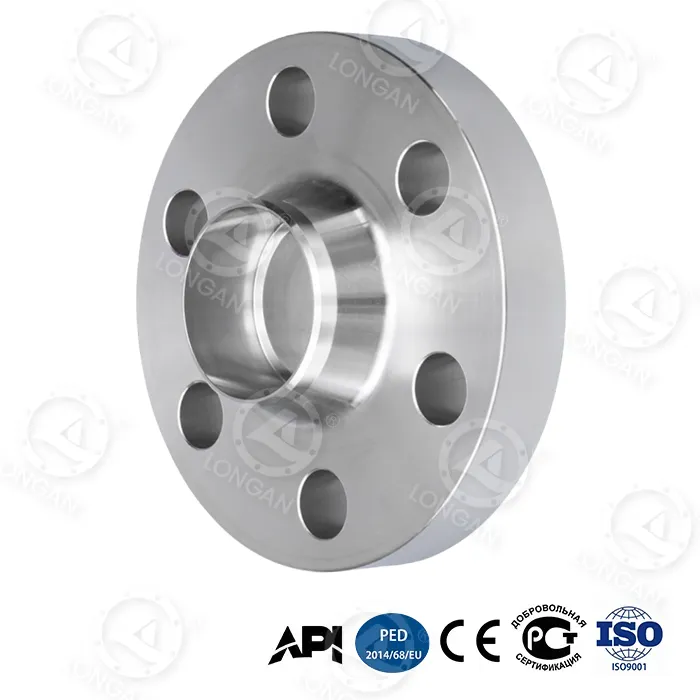
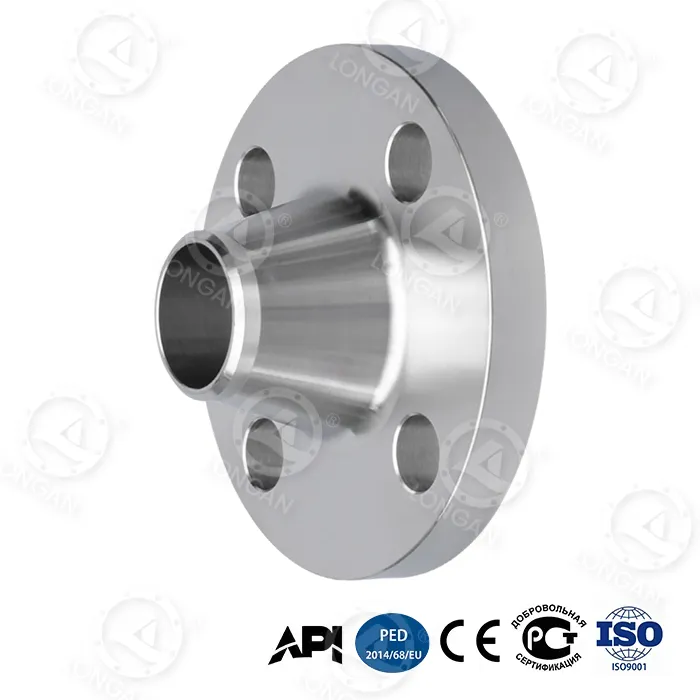
Selecting the right flange is essential for ensuring the safety, durability, and efficiency of any piping system. A 304 Neck Butt Welding Flange is widely recognized for its outstanding corrosion resistance, excellent mechanical strength, and long service life. As a trusted manufacturer, Longan provides high-quality flange solutions designed to meet international standards and demanding industrial environments. This guide explains the advantages, technical specifications, applications, installation considerations, material comparisons, and maintenance practices of 304 Neck Butt Welding Flange products while helping engineers, distributors, and project buyers make informed purchasing decisions.
In modern industrial piping systems, selecting the right flange type is essential for safety, efficiency, and long-term performance. A flat raised face flange is widely used in industries such as oil and gas, chemical processing, water treatment, power generation, and general manufacturing because of its excellent sealing capability, easy installation, and compatibility with various gasket materials.
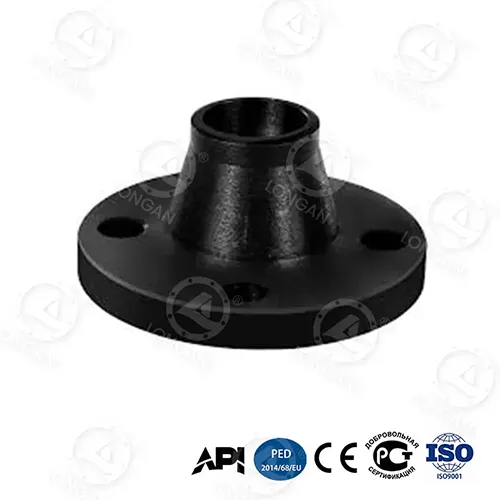
This comprehensive guide explores the engineering design, applications, advantages, and technical specifications of the Long Neck Flange. It explains why industries such as oil & gas, petrochemical, shipbuilding, and power generation rely heavily on this specialized flange type.
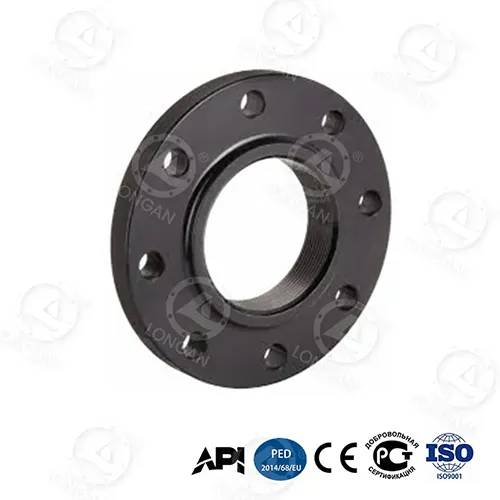
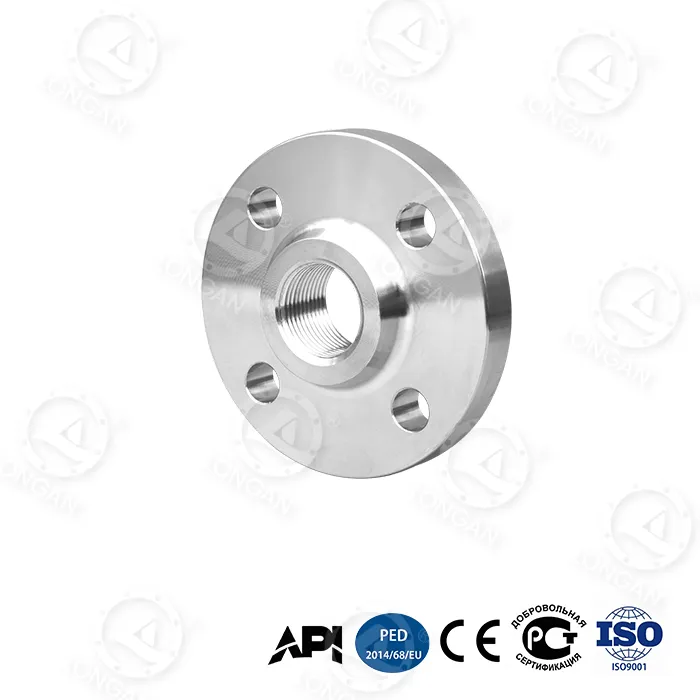
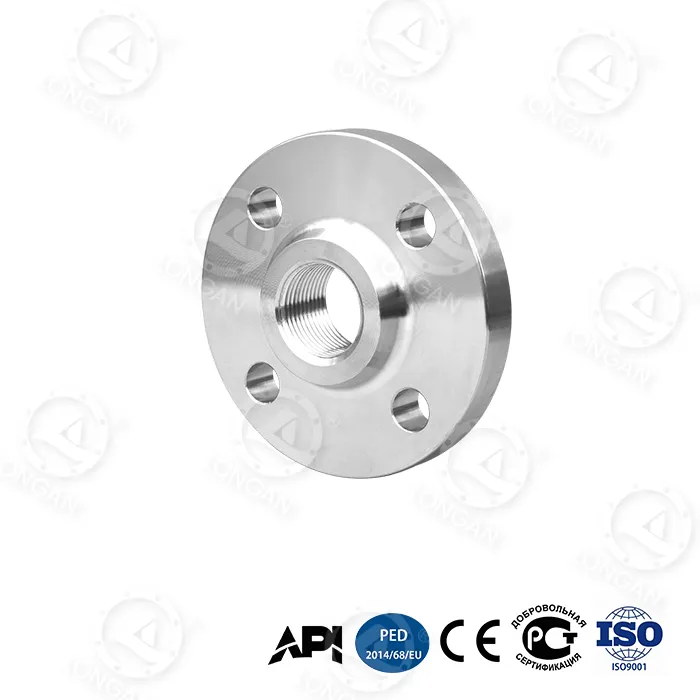
The Stainless Steel Threaded Flange is widely used in industrial piping systems due to its easy installation, high corrosion resistance, and reliable sealing performance. This article explores its structure, advantages, applications, standards, and manufacturing quality, with insights from Longan, a professional flange manufacturer. It also provides a practical guide, comparison tables, and FAQs to help engineers and buyers understand why this component is essential in modern engineering projects.
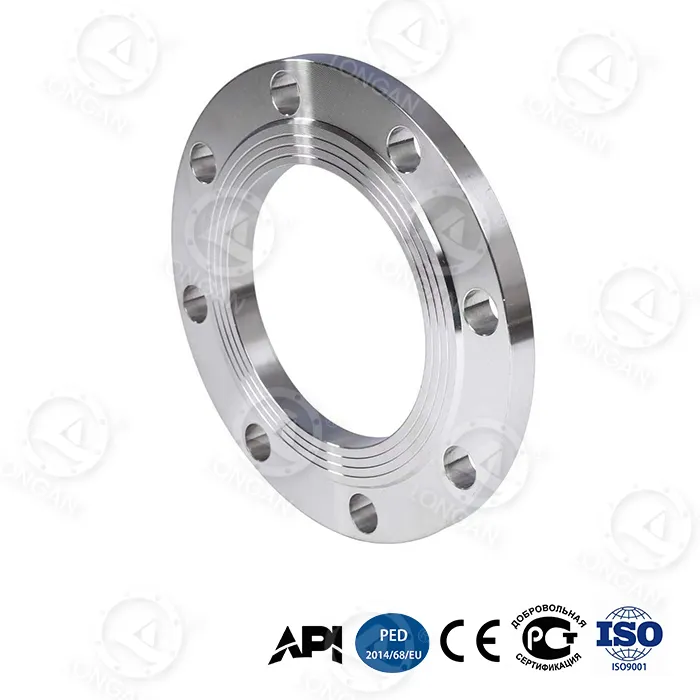
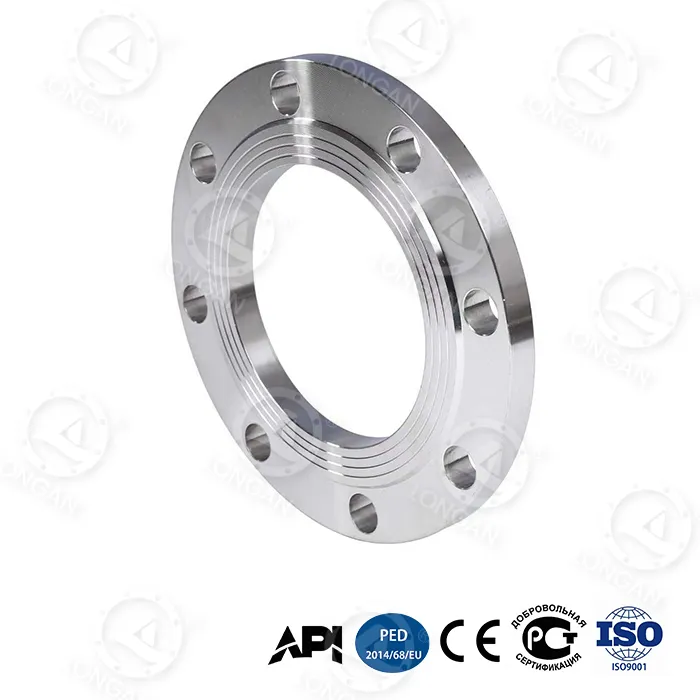
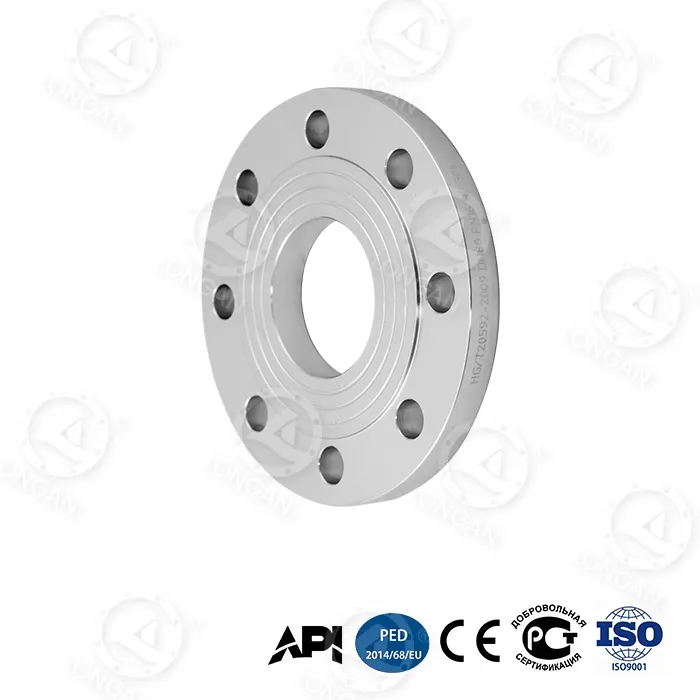
Among the many flange types available today, the flat slip on flange has become one of the most widely used solutions across industries such as oil and gas, chemical processing, water treatment, power generation, and construction.
A Long Neck Flange is often selected when a piping system needs more than a standard connection. Buyers usually look at this product when they are dealing with high pressure, high temperature, heavy vibration, large vessels, process equipment, or difficult installation conditions where leakage and stress concentration cannot be ignored.
When buyers compare flange options, they are rarely looking for a generic part. They want secure sealing, easy installation, reliable material performance, and a supplier that understands real operating conditions. In this article, I focus on Flat Flange selection from a practical engineering and purchasing perspective.
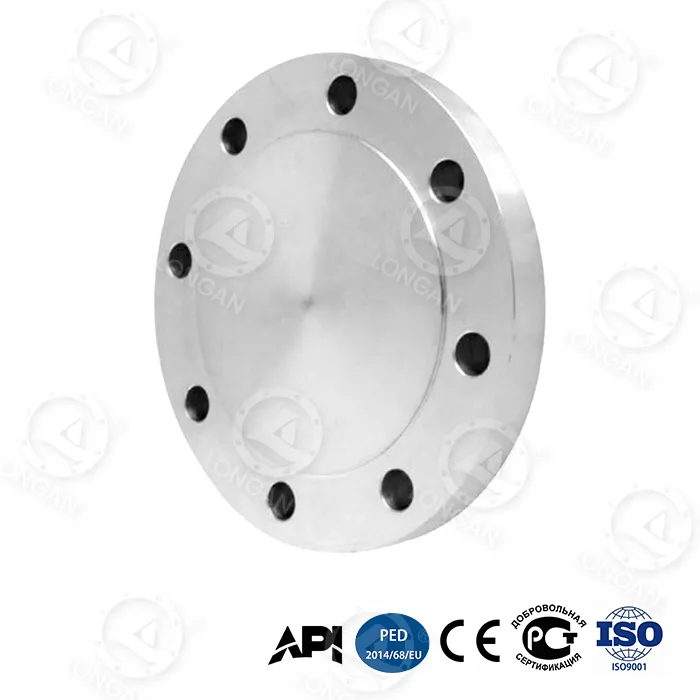
Choosing the right Alloy Steel Blind Flange is not just a matter of matching dimensions on a drawing. In real projects, buyers and engineers are trying to solve bigger problems: leakage risk, unstable supply quality, repeated shutdowns, corrosion damage, temperature cycling, and the high cost of replacing the wrong component after installation.
In many piping projects, buyers are not simply choosing a flange. They are trying to reduce installation risk, avoid unnecessary shutdowns, simplify maintenance, and make sure every connection performs reliably under real operating conditions.
We use cookies to offer you a better browsing experience, analyze site traffic and personalize content. By using this site, you agree to our use of cookies.
Privacy Policy