Article Summary
Choosing the right Alloy Steel Blind Flange is not just a matter of matching dimensions on a drawing. In real projects, buyers and engineers are trying to solve bigger problems: leakage risk, unstable supply quality, repeated shutdowns, corrosion damage, temperature cycling, and the high cost of replacing the wrong component after installation. In this article, I break down what makes a blind flange suitable for demanding service, how to compare material and manufacturing details, what common mistakes lead to premature failure, and how to evaluate a supplier with more confidence. I also explain where an Alloy Steel Blind Flange adds practical value over standard alternatives and why careful specification matters so much in oil and gas, chemical processing, power generation, and general industrial piping.
Table of Contents
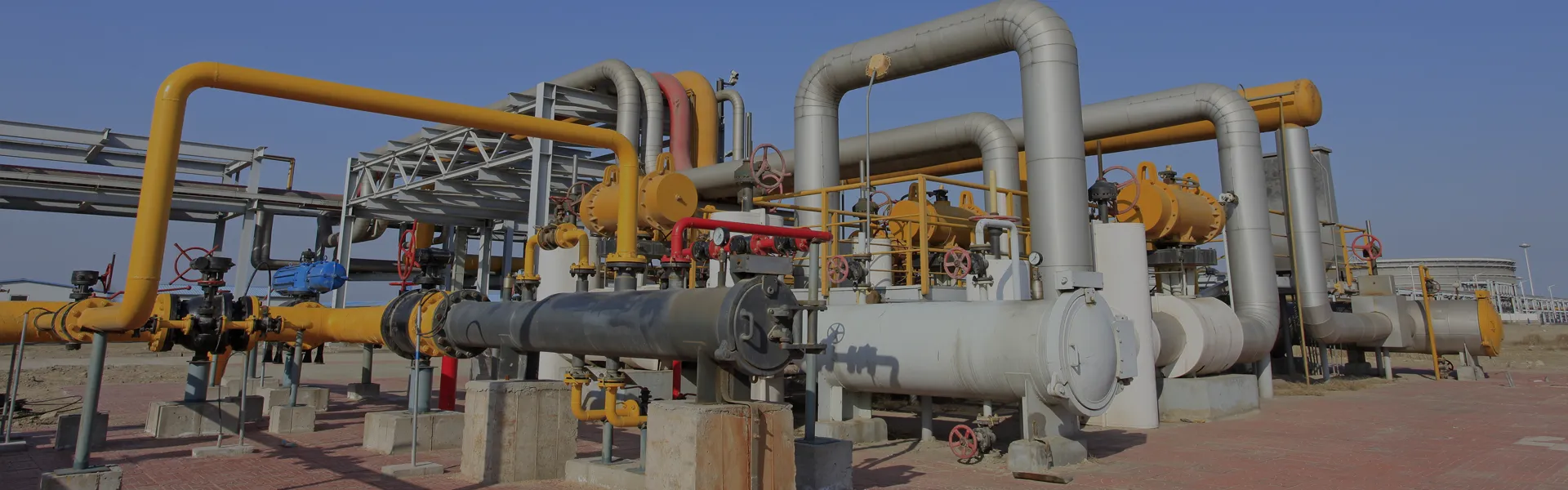
I have seen many industrial buyers treat flanges like routine hardware until a shutdown, leak, or inspection failure proves otherwise. A blind flange is designed to close the end of a pipe, nozzle, valve opening, or pressure vessel connection. That sounds simple, but the duty can be severe. In many systems, the flange must resist internal pressure, temperature variation, corrosive media, mechanical vibration, and maintenance cycles over a long period of service.
That is exactly where an Alloy Steel Blind Flange becomes valuable. Compared with more ordinary material choices, alloy steel can offer better strength retention, better toughness in demanding conditions, and better suitability for elevated-temperature or pressure-sensitive applications. When the line cannot tolerate failure, the wrong blind flange quickly becomes an expensive problem.
In practical purchasing, the biggest concern is rarely the purchase price alone. Buyers usually want to avoid:
So when I look at a blind flange, I do not ask only, “How much does it cost?” I ask, “How much trouble will it save later?”
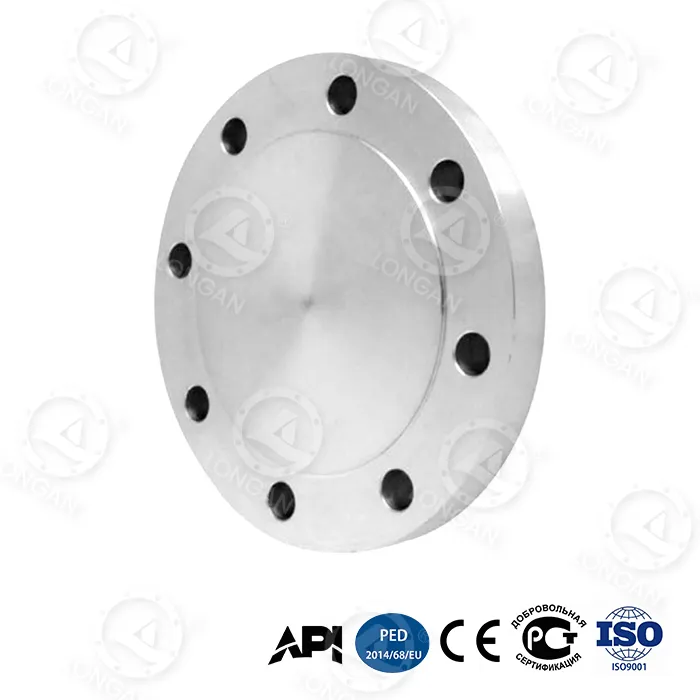
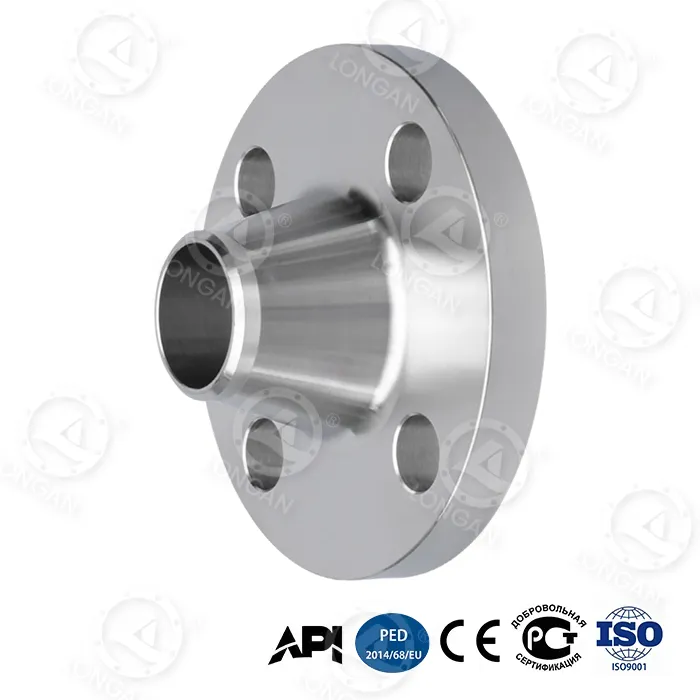
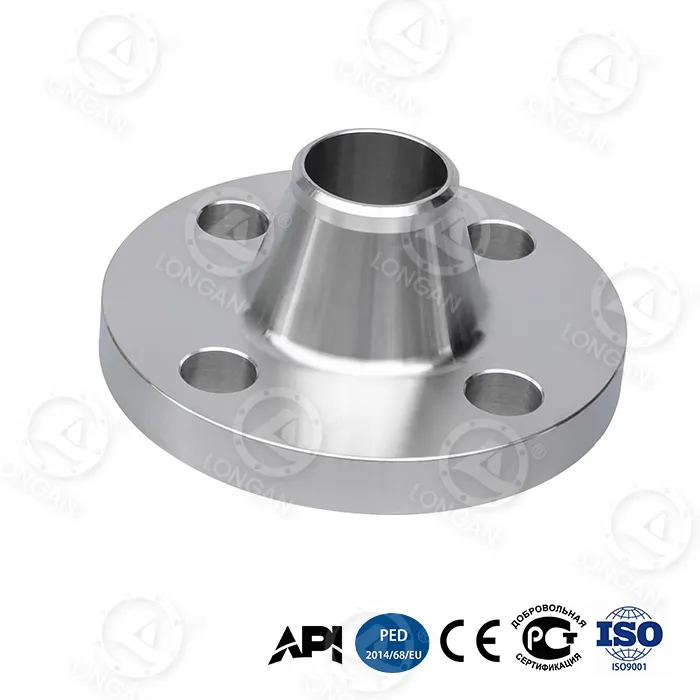
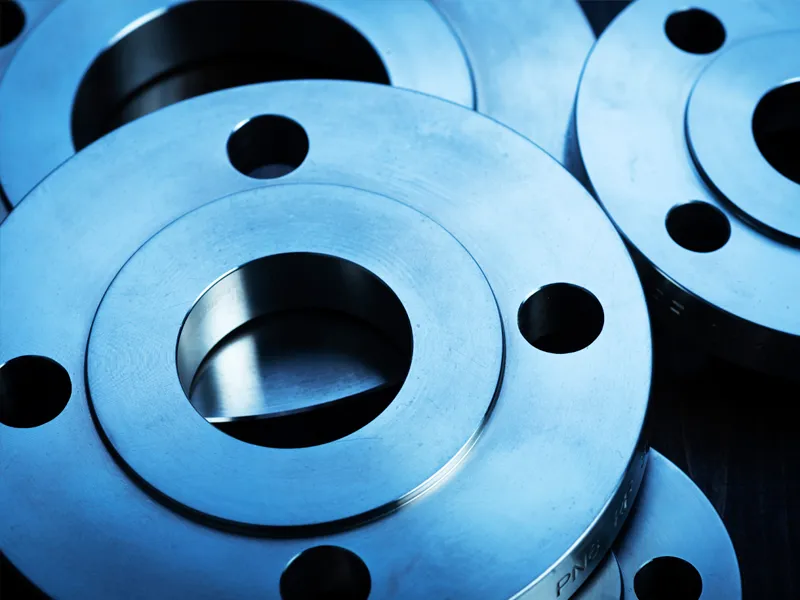
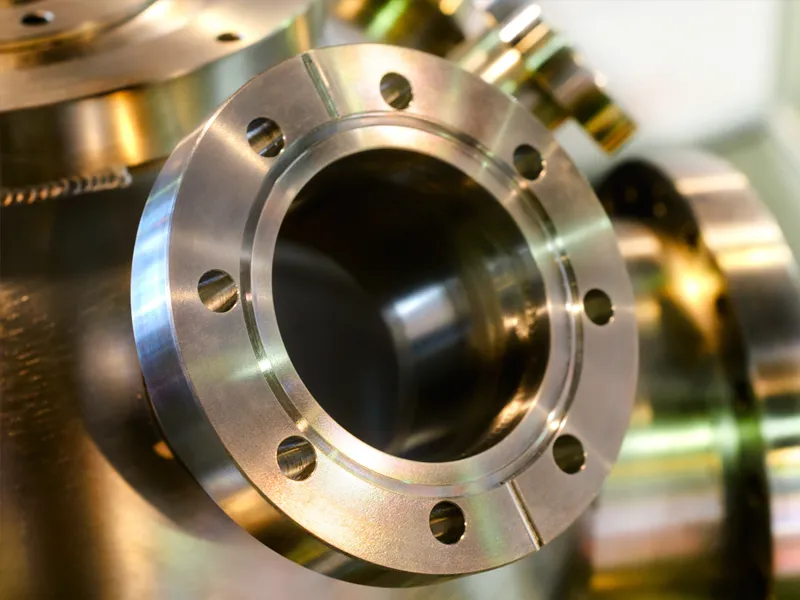
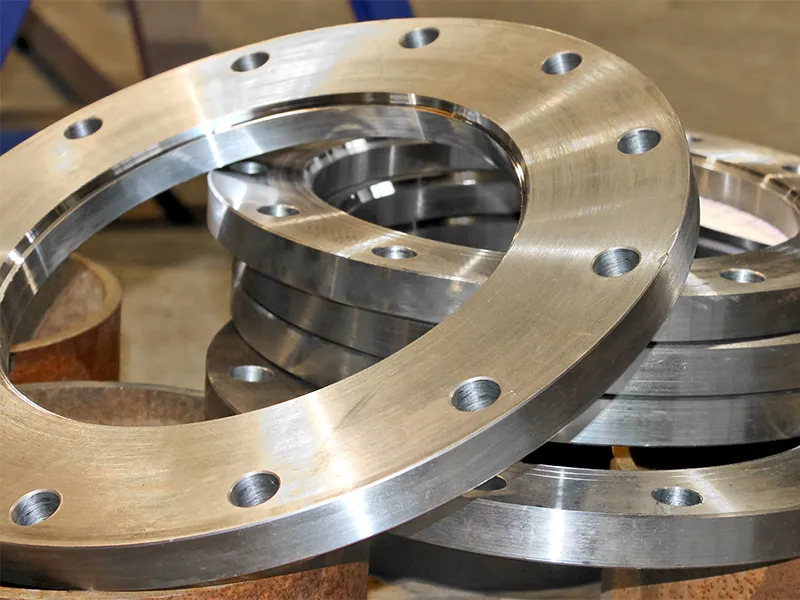
An Alloy Steel Blind Flange is a solid flange without a bore. Its main purpose is to terminate or isolate flow at the end of a piping system or equipment connection. Because it has no center opening, it is commonly used where future access, pressure isolation, testing, maintenance, or temporary shutdown may be required.
Common applications include:
In these settings, the blind flange is not decorative and it is not secondary. It acts as a pressure-retaining component. That means the material, dimensions, facing finish, and heat treatment all matter.
| Factor | Why It Matters | Buyer Impact |
|---|---|---|
| Material grade | Determines strength, toughness, and service suitability | Helps prevent premature failure |
| Pressure class | Affects wall thickness and load capacity | Ensures safe system closure |
| Facing type | Controls gasket compatibility and sealing behavior | Reduces leakage risk |
| Machining accuracy | Influences bolt-up alignment and surface contact | Shortens installation time |
| Inspection records | Supports traceability and project compliance | Avoids approval delays |
Most buyers are not searching for a flange just to fill a line item on a bill of materials. They are trying to solve a series of practical worries. A well-made Alloy Steel Blind Flange helps address those worries in several ways.
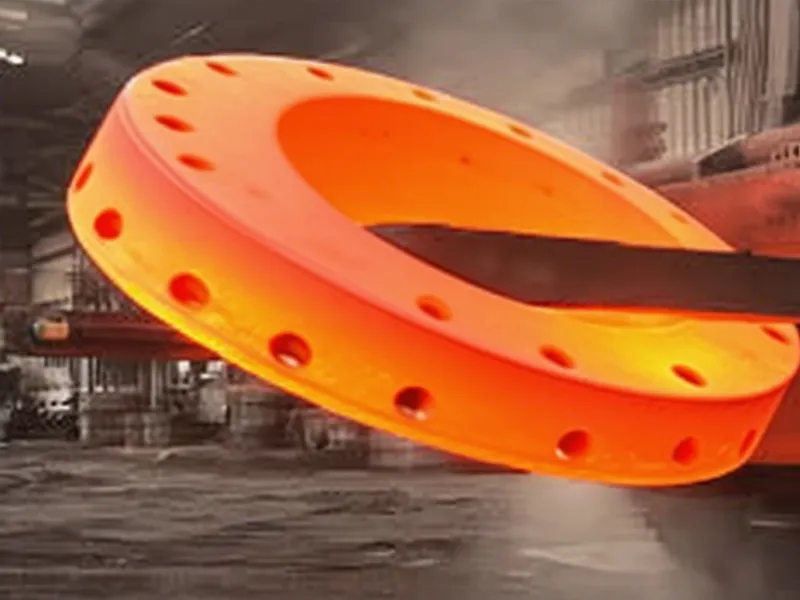
First, it supports demanding pressure conditions. In high-pressure systems, the flange must withstand significant bolt load and internal force. Weak material consistency or poor forging quality can create long-term reliability issues.
Second, it improves confidence in temperature-sensitive service. Systems that cycle between startup, shutdown, hot operation, and ambient cooling place repeated stress on sealing surfaces and bolted joints. Buyers want stable performance, not a part that looks acceptable on paper but loses integrity in real operation.
Third, it helps control corrosion-related maintenance costs. Different service media can attack sealing surfaces, reduce service life, or create pitting and damage that affect gasket performance. Even when the flange itself does not fail catastrophically, small surface problems can trigger repeated maintenance.
Fourth, it simplifies long-term plant reliability planning. A good flange reduces downtime, reduces emergency replacement frequency, and makes inspections more predictable. That is especially important when plant stoppages are costly.
Here is a simple way to look at it:
| Common Buyer Pain Point | How the Right Blind Flange Helps |
|---|---|
| Leakage after commissioning | Better dimensional accuracy and sealing face quality improve fit-up |
| Frequent maintenance shutdowns | More suitable material selection improves durability |
| Inconsistent product quality between orders | Controlled manufacturing and traceability improve repeatability |
| Project approval delays | Complete documentation supports inspection and compliance |
| Unexpected total lifecycle cost | Better performance lowers replacement and downtime expense |
This is where many purchases go wrong. Some buyers compare quotations too quickly and assume all blind flanges with the same nominal size are interchangeable. They are not. I would always check these points before approving an order:
When I compare suppliers, I like using a selection checklist like this:
| Selection Question | Why I Ask It |
|---|---|
| What medium will the flange face? | Material suitability depends on corrosion and temperature conditions |
| What is the maximum operating pressure and temperature? | Pressure class and grade must support real service conditions |
| What gasket system will be used? | Face finish and flange design must match the sealing method |
| Is this for long-term isolation or temporary closure? | Service duration can influence material and cost balance |
| Which tests are mandatory for project approval? | Prevents missing paperwork and shipment disputes |
Two blind flanges can look similar in a photo and perform very differently in service. That difference usually comes from details hidden behind the quotation sheet. I pay attention to the following quality signals:
A reliable supplier does not simply say the part is “high quality.” A reliable supplier shows how quality is controlled. That may include inspection reports, process flow clarity, dimensional control, and communication that sounds like manufacturing experience rather than sales-only language.
This is one reason buyers often work with established manufacturers such as Wenzhou Longan Flange Co., Ltd. when they need stable supply for industrial flange applications. The value is not only in having a product page or catalog item. The real value comes from the ability to support procurement with clearer specifications, consistent production, and practical communication during quotation, manufacturing, and shipment.
If I had to narrow it down, I would never skip these checks before shipment or acceptance:
Even small dimensional errors can slow installation or create unnecessary field modification. That is why inspection is not just a paperwork exercise. It directly affects project speed and on-site confidence.
For high-value orders, I also think it is smart to align acceptance criteria before production starts. That prevents the classic dispute where the buyer assumes one standard of finish and the supplier ships another.
Price matters, of course. But when I compare suppliers for an Alloy Steel Blind Flange, I do not let the lowest quote decide everything. I want to know whether the manufacturer can reduce risk across the whole purchasing cycle.
Here is the evaluation logic I would use:
That is why I prefer partners who can discuss application logic, not just unit price. If a supplier can explain material choices, help align specifications, and support smoother project execution, that supplier is usually saving money in ways the quotation does not immediately show.
What is the main advantage of an Alloy Steel Blind Flange?
The main advantage is that it is better suited for demanding service conditions where pressure, temperature, strength, and long-term reliability matter more than minimum upfront cost.
Which industries commonly use an Alloy Steel Blind Flange?
It is widely used in oil and gas, petrochemical processing, power generation, chemical plants, and other industrial systems that require dependable end closure and pressure containment.
What should I confirm before ordering?
You should confirm material grade, pressure class, size, facing type, applicable standard, inspection requirements, and any documentation needed for project approval.
Why do some blind flanges fail earlier than expected?
Common reasons include incorrect material selection, dimensional inaccuracy, poor machining, inadequate heat treatment, improper gasket matching, or service conditions that were not fully considered during purchasing.
Is the cheapest quotation usually the best option?
Not in most industrial projects. A low unit price can become expensive if the product causes leakage, installation delay, or early replacement. Total project cost matters more than line-item savings.
How can I reduce procurement risk?
Choose a supplier with clear manufacturing capability, traceability, stable communication, inspection support, and experience with industrial flange applications.
If I were buying for a real project, I would not treat a blind flange like a generic accessory. I would treat it like a pressure-retaining component that deserves careful review. The right Alloy Steel Blind Flange can help reduce leakage risk, maintenance frequency, installation trouble, and long-term operating cost. The wrong one can quietly create the opposite outcome.
That is why specification clarity, material suitability, machining accuracy, and supplier reliability all need to be considered together. A strong purchasing decision is rarely based on one factor alone. It comes from matching the product to the actual service condition and choosing a manufacturer that can support the order with consistency and technical understanding.
If you are comparing options for your next project, Wenzhou Longan Flange Co., Ltd. is worth reviewing as a potential source for industrial flange solutions. If you want help matching size, pressure class, and application requirements more confidently, contact us to discuss your project and request a quotation tailored to your working conditions.
TradeManager
Skype
VKontakte