Article Summary
When buyers compare flange options, they are rarely looking for a generic part. They want secure sealing, easy installation, reliable material performance, and a supplier that understands real operating conditions. In this article, I focus on Flat Flange selection from a practical engineering and purchasing perspective. I explain where this flange type works best, what problems it helps solve, how to judge quality, and what questions buyers should ask before placing an order. I also introduce how Wenzhou Longan Flange Co., Ltd. approaches product consistency and customer requirements in a market where dependable supply matters just as much as technical fit.
Contents
At first glance, a flange seems simple. It is round, drilled, machined, and designed to connect piping components. But anyone who has handled a real project knows the difficulty does not lie in recognizing a flange. The difficulty lies in choosing the right one for pressure, media, temperature, connection layout, and long-term maintenance.
That is exactly why Flat Flange buyers often hesitate. Some are worried about leakage after installation. Some are unsure whether carbon steel or stainless steel is the better fit. Others are dealing with inconsistent dimensions from different suppliers, which can slow down assembly and create unnecessary rework. In procurement, even a small mismatch can become expensive once it reaches the installation team.
In my view, the real challenge is not just choosing a product category. It is choosing a product that matches the working environment and comes from a manufacturer capable of producing stable, repeatable quality. That is where experience matters. A serious supplier does not simply send a price list. A serious supplier helps buyers reduce uncertainty before the order is locked in.
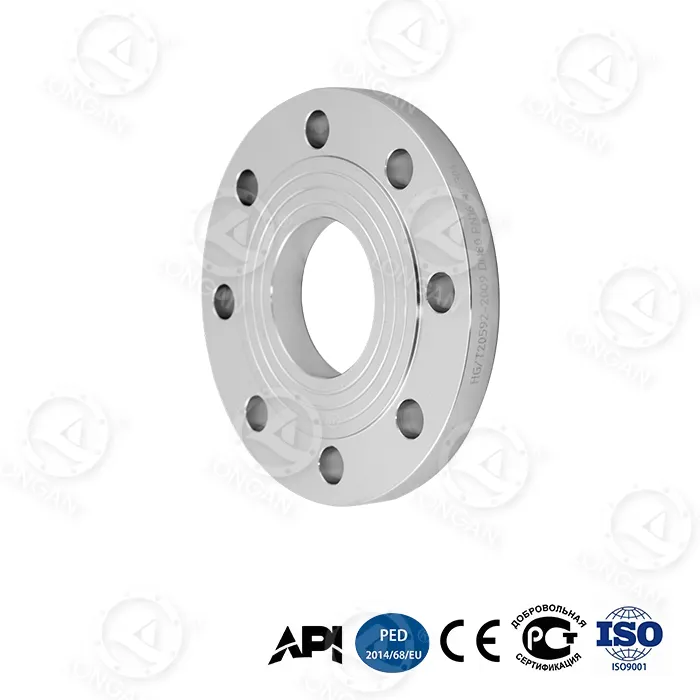
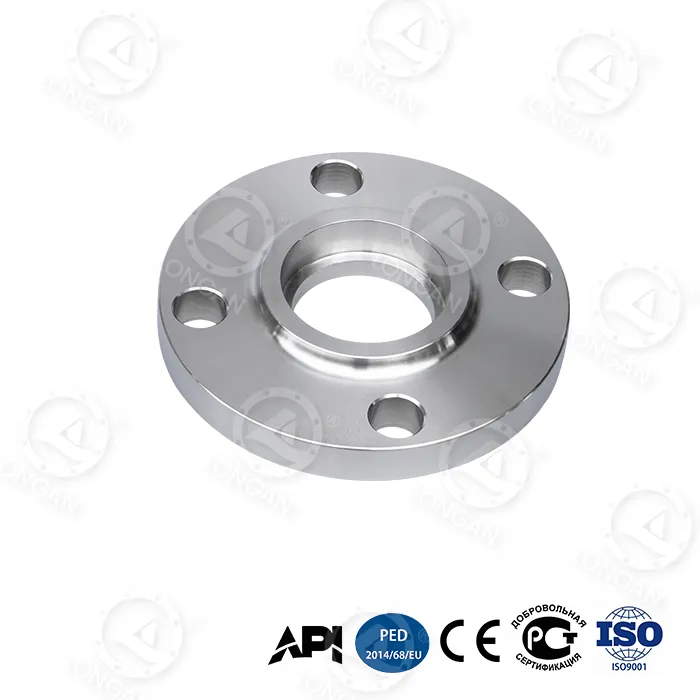
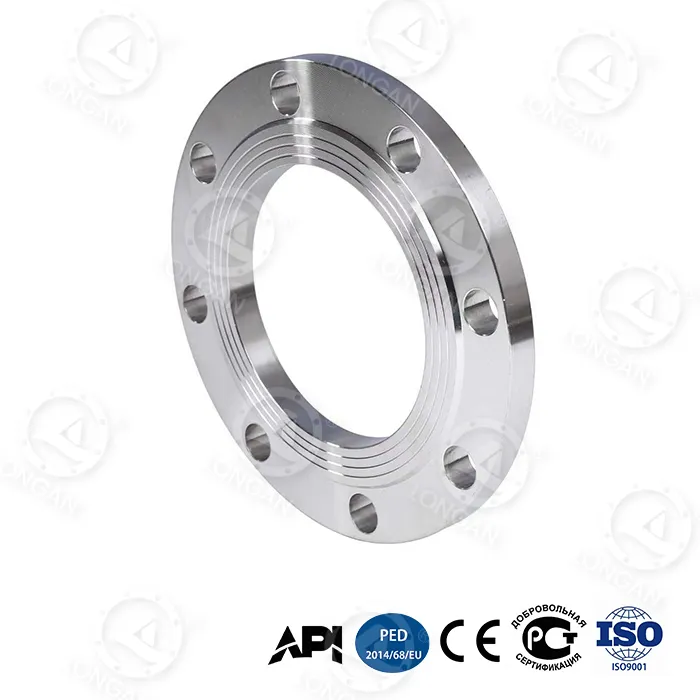
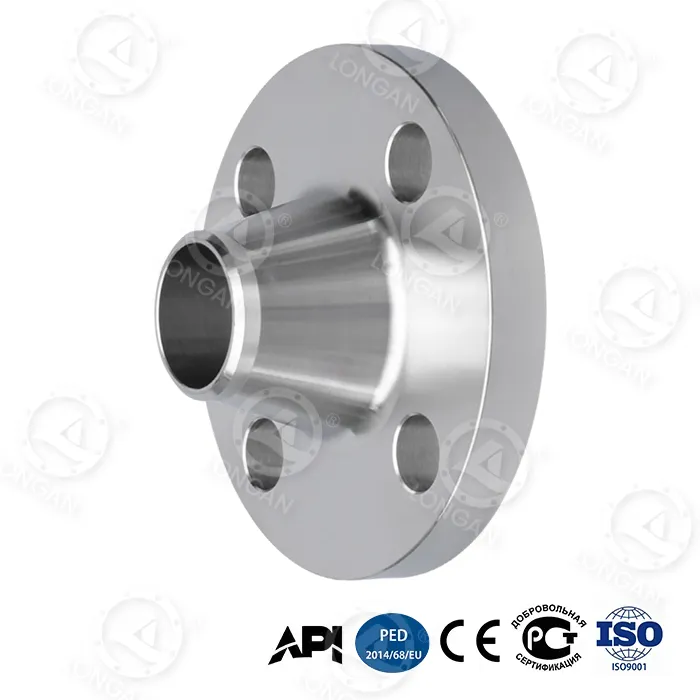
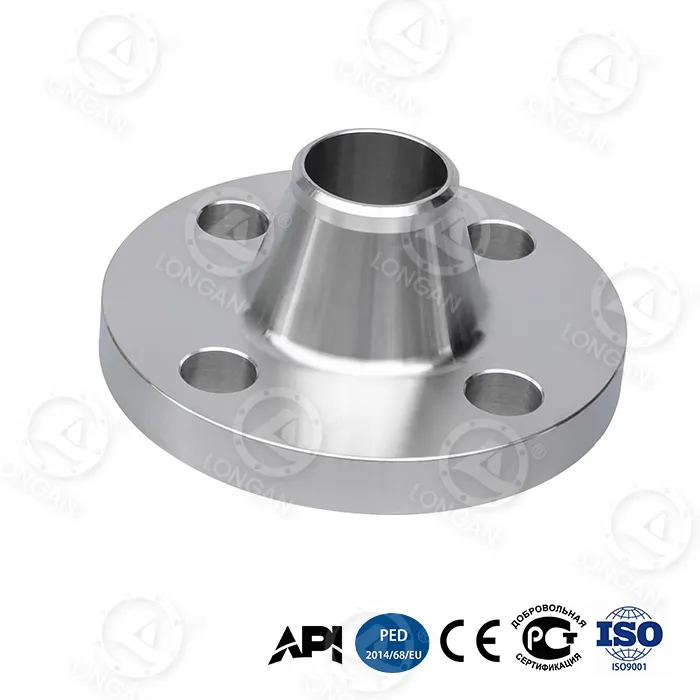
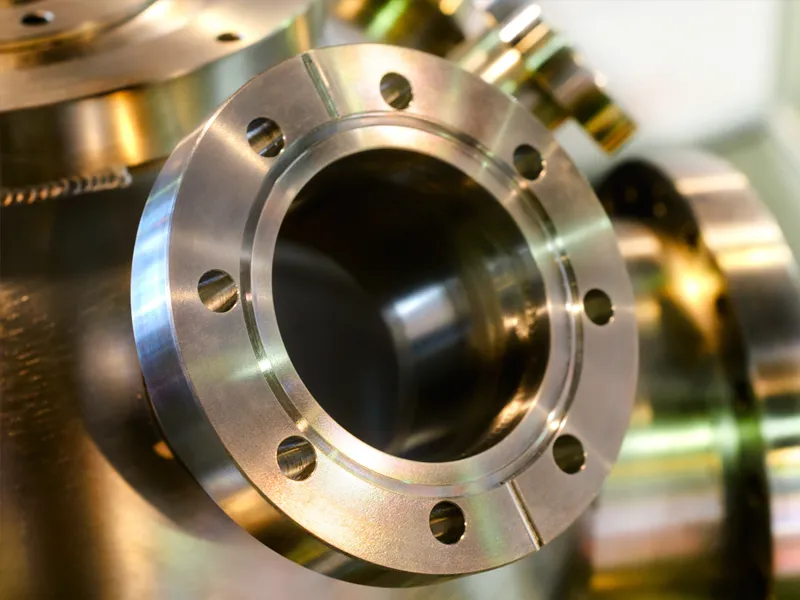
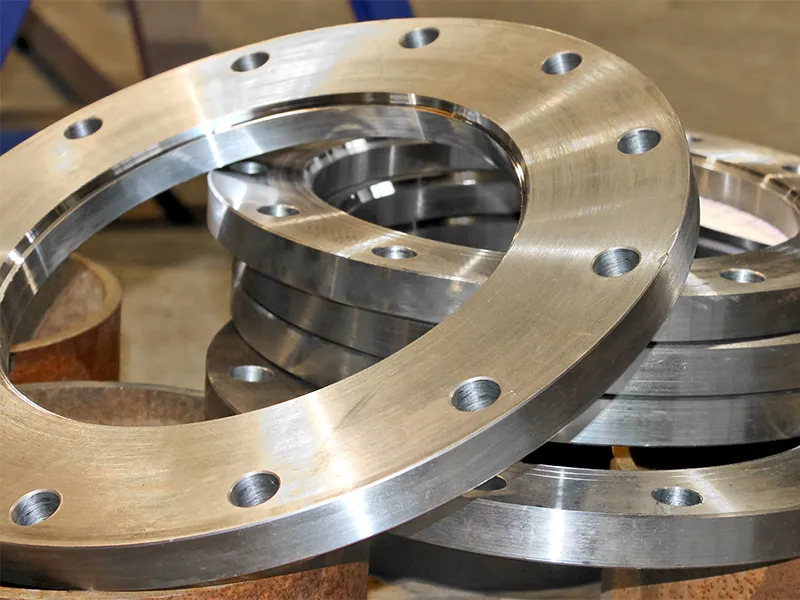
A Flat Flange is generally used to create a secure, aligned connection between pipes, valves, pumps, and other system components. It is favored in many industrial settings because of its straightforward structure, practical installation logic, and broad adaptability across different pipeline systems.
It is commonly seen in applications where buyers need dependable connection performance without unnecessary complexity. Depending on the material and standard, it may be used in water systems, chemical processing lines, oil and gas support systems, general industrial piping, HVAC installations, and other engineered flow environments.
| Application Area | Why Flat Flange Is Considered | Buyer Concern |
|---|---|---|
| Water treatment | Simple connection and practical maintenance access | Corrosion resistance and sealing reliability |
| Industrial piping | Compatible with a wide range of layouts and components | Dimensional consistency and pressure fit |
| Chemical systems | Can be matched with suitable materials for demanding media | Material selection and surface finish |
| Mechanical equipment | Convenient assembly and replacement during maintenance | Lead time and machining accuracy |
The reason this product remains relevant is not trend. It is function. Buyers return to Flat Flange because it supports stable piping design, manageable installation, and practical replacement cycles when sourced correctly.
In real purchasing scenarios, buyers are not looking for abstract advantages. They are trying to solve specific problems. A properly made Flat Flange can help address several of the most common ones.
I have noticed that many buyer complaints do not start after delivery. They start much earlier, during specification review. The wrong flange is often ordered because the buyer receives a quotation that looks attractive but leaves too many technical details undefined. That is why clarity matters more than a low unit price.
This is where smart buyers separate themselves from rushed buyers. A quality Flat Flange should not be judged by appearance alone. Machined metal can look clean and still perform poorly if the tolerances are loose or the raw material is inconsistent.
I recommend checking these points before confirming the order
| Evaluation Point | Why It Matters | What Buyers Should Ask |
|---|---|---|
| Raw material | It affects strength, durability, and corrosion behavior | Can you provide material certificates? |
| Dimensions | It affects fit-up speed and installation success | How do you control machining tolerance? |
| Surface condition | It influences sealing performance and overall finish | How is the sealing face inspected? |
| Production consistency | It determines whether repeat orders remain reliable | How do you keep batch quality stable? |
| Inspection records | It gives buyers confidence before shipment | Can you share photos or reports before delivery? |
A capable manufacturer should be able to answer these questions clearly. Vague replies usually mean vague control.
Material selection is not something buyers should leave to guesswork. The best choice depends on media, operating environment, budget, and expected service life. Carbon steel may be practical for many standard uses, while stainless steel is often selected where corrosion resistance and cleanliness matter more.
Dimensions are equally important. Outside diameter, inner diameter, bolt hole pattern, thickness, and facing profile all affect whether the part will install correctly. Even if the product looks acceptable on arrival, poor dimensional control can cause delays on site.
That is why I always believe the specification sheet should be treated as a working document, not a formality. When buyers review a Flat Flange, they should make sure every critical parameter is confirmed in writing before production begins.
Because buyers are not only purchasing metal. They are purchasing process control, communication quality, delivery reliability, and problem-solving ability. A technically acceptable Flat Flange is still a bad purchase if the supplier cannot maintain consistency or respond quickly when project requirements change.
This is one reason companies such as Wenzhou Longan Flange Co., Ltd. attract attention from buyers who care about more than price alone. In industrial sourcing, trust is built through the supplier’s ability to understand specifications, manage production carefully, and support customization when standard configurations are not enough.
A reliable manufacturer should help buyers with practical needs such as drawing confirmation, material options, dimensional review, production updates, and shipment preparation. That kind of support reduces friction on both the engineering side and the purchasing side.
Bulk orders create efficiency, but they also magnify mistakes. If one part is wrong, one part is easy to replace. If a full shipment is wrong, the delay can affect schedules, labor, and customer confidence.
That is why I suggest a simple risk-control approach before placing a larger Flat Flange order.
The strongest purchasing teams are not the teams that rush. They are the teams that make avoidable problems difficult to happen.
FAQ
Is Flat Flange suitable for many different industries?
Yes, it is widely considered for a broad range of piping and equipment systems, provided the material, size, and standard are selected to match the actual operating conditions.
What should I send a supplier before asking for a quotation?
You should ideally provide size, material, standard, quantity, application details, and any special drawing or tolerance requirements. The clearer your information, the more accurate the quotation will be.
Which is more important, low price or production consistency?
For industrial purchasing, consistency usually matters more. A slightly lower price can become expensive if the parts create installation errors, delays, or repeat replacements.
Can Flat Flange be customized?
Many manufacturers can support customized dimensions, drilling patterns, material options, or surface requirements, depending on the project.
Why do some flange orders fail even when the specification looks correct?
The failure often comes from incomplete communication, unchecked details, unclear standards, or poor manufacturing control rather than from the basic product category itself.
The market offers many flange options, but not every supplier offers the same level of consistency, technical understanding, and customer support. When buyers choose Flat Flange, they are not simply selecting a part number. They are choosing how much confidence they want to have in the next installation, the next shipment, and the next project schedule.
If your team is comparing specifications, reviewing material options, or preparing an upcoming sourcing plan, working with an experienced manufacturer can save time and prevent avoidable errors. Wenzhou Longan Flange Co., Ltd. is positioned to support buyers looking for dependable flange solutions with practical communication and production-focused service.
If you are ready to discuss your next Flat Flange requirement, contact us and let us help you match the right specification, the right material, and the right manufacturing support to your project.
TradeManager
Skype
VKontakte