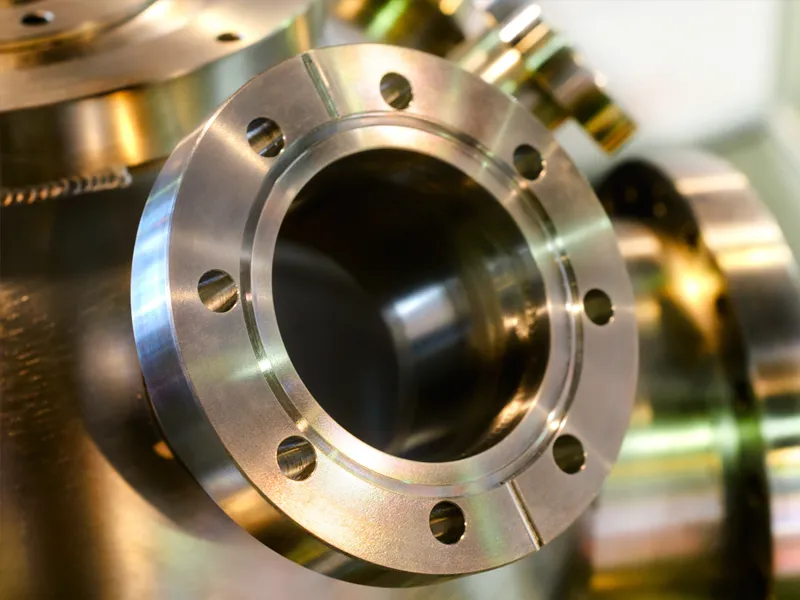
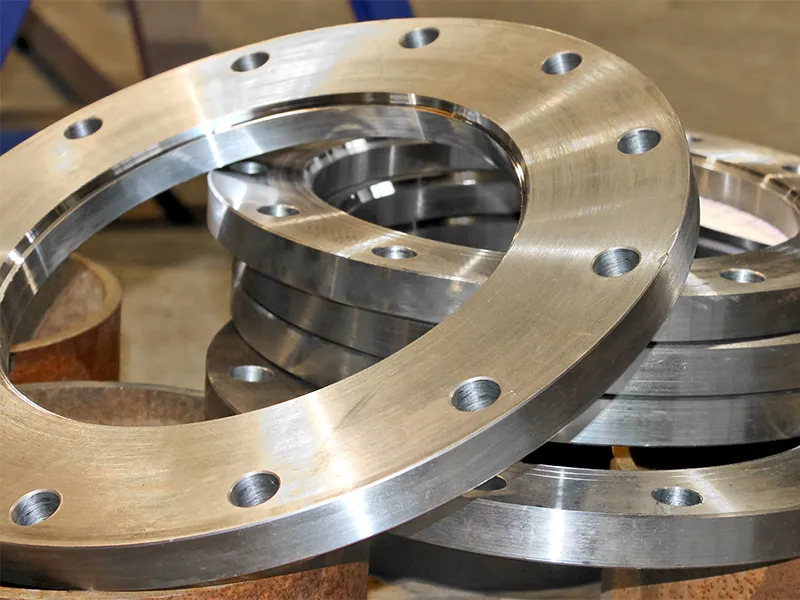
In many piping projects, buyers are not simply choosing a flange. They are trying to reduce installation risk, avoid unnecessary shutdowns, simplify maintenance, and make sure every connection performs reliably under real operating conditions. This article explains where a Threaded Flange makes sense, where it does not, and how to evaluate quality, material, compatibility, and cost before placing an order. Drawing on practical procurement concerns and field application logic, it also introduces how Wenzhou Longan Flange Co., Ltd. supports buyers looking for dependable flange solutions with clearer communication and more predictable manufacturing outcomes.
A Threaded Flange is often chosen when welding is inconvenient, expensive, restricted, or undesirable for the piping system. It can help reduce installation complexity and make disassembly easier, but only when the thread type, pressure class, material selection, sealing design, and operating environment are matched correctly. Buyers who rush the selection process often run into leakage, compatibility errors, or avoidable maintenance costs later. In this article, I break down how to choose the right option, what questions to ask suppliers, and what practical details separate a dependable product from one that only looks acceptable on paper.
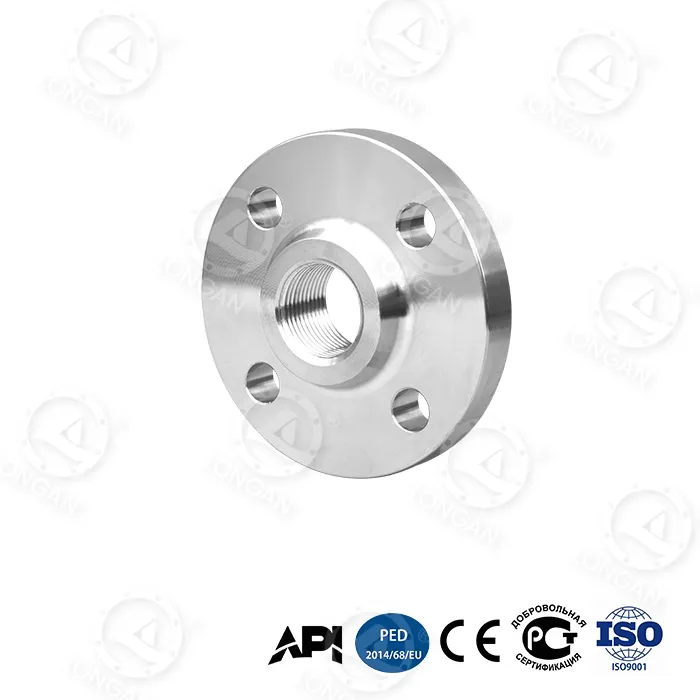
A Threaded Flange is a flange with an internal thread that allows it to connect to externally threaded pipe without welding. That sounds simple, but the reason buyers continue to choose it is not simplicity alone. In the real world, every saved welding step can mean lower labor dependence, fewer site restrictions, easier replacement work, and less disruption in facilities where hot work permits are difficult to obtain.
I usually see interest in this flange type when a buyer is facing one of three situations. The first is field installation pressure, where they need a practical connection method that can be assembled faster than a welded alternative. The second is maintenance access, especially when future disassembly matters. The third is site limitation, including hazardous areas, retrofit projects, temporary systems, and operations where welding is inconvenient or tightly controlled.
That said, a Threaded Flange is not a shortcut that works everywhere. It has to be selected with discipline. Thread compatibility, pressure conditions, vibration exposure, media characteristics, and installation quality all affect whether it performs as intended or becomes a source of recurring trouble.
Typical reasons buyers choose this flange type:
Most buyers do not start with the question, “Which flange is theoretically better?” They start with the question, “What will keep this project under control?” That is where a Threaded Flange often becomes relevant. It addresses several practical concerns that purchasing teams, engineers, and maintenance managers run into repeatedly.
The hidden pain point, though, is this: many purchasing mistakes happen before the order is even placed. A product may look dimensionally acceptable in a quotation sheet, but if the thread form is inconsistent, the sealing face is poorly machined, or the material grade is not aligned with the medium and temperature, the buyer pays for that mistake later through leakage, rework, or delayed commissioning.
| Buyer Concern | Why It Happens | What to Check |
|---|---|---|
| Leakage after installation | Poor thread match, wrong seal face, improper torque | Thread standard, machining accuracy, sealing surface condition |
| Unexpected corrosion | Material not suited to medium or environment | Material grade, chemical compatibility, operating temperature |
| Difficult assembly on site | Thread inconsistency or poor dimensional control | Tolerance control, inspection records, supplier communication |
| High total project cost | Focus only on unit price, not installation and maintenance | Total ownership cost, labor input, replacement convenience |
Choosing a Threaded Flange well means thinking beyond size and price. I always recommend treating the selection as a combination of piping compatibility, operating conditions, and supplier execution capability.
This is also where supplier cooperation starts to matter. Wenzhou Longan Flange Co., Ltd. is more likely to earn buyer confidence when it does more than offer a catalog. Buyers want a manufacturer that can discuss application conditions clearly, respond to specification details quickly, and reduce avoidable back-and-forth during procurement.
| Selection Item | Why It Matters | Buyer Question |
|---|---|---|
| Thread standard | Directly affects fit and sealing reliability | Is the internal thread made to the exact standard required by my pipe system |
| Material | Affects corrosion resistance and service life | Is this grade suitable for my fluid, temperature, and environment |
| Pressure class | Protects system reliability and compliance | Does this class cover normal operation and pressure fluctuation |
| Machining quality | Impacts assembly smoothness and sealing | Can you provide inspection data or photos before shipment |
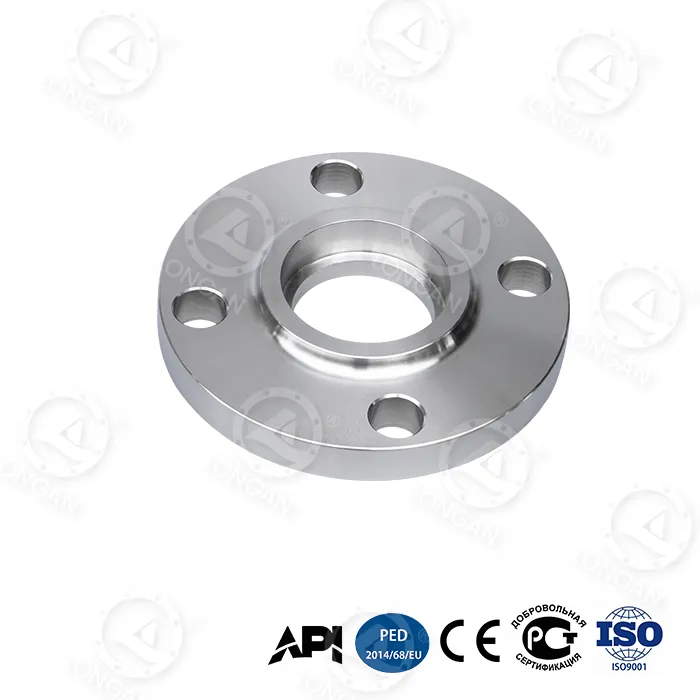
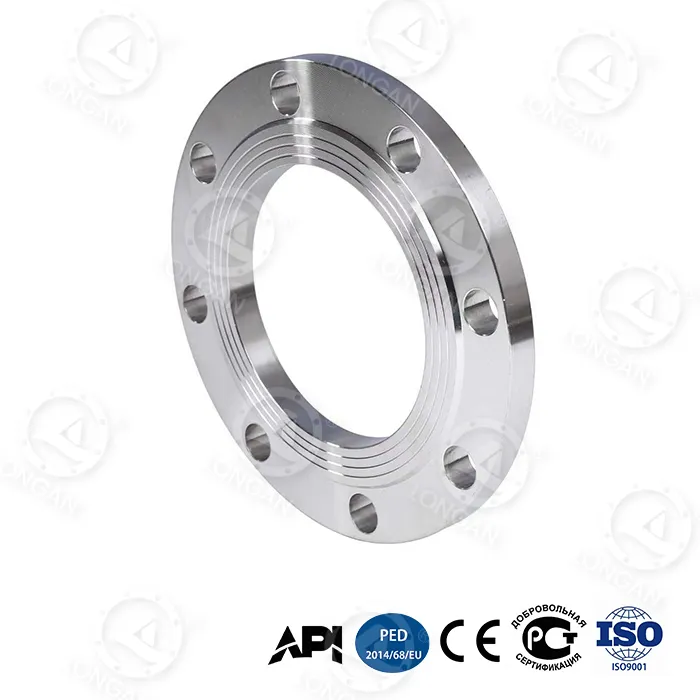
Buyers sometimes ask whether a Threaded Flange is better than a welded flange. I think that question is a little too broad. The real question is which option is better for the operating condition, installation environment, and maintenance plan. A threaded option can offer genuine benefits, but only within the right application logic.
| Comparison Point | Threaded Flange | Welded Flange |
|---|---|---|
| Installation method | No welding required in suitable systems | Requires welding process |
| Field flexibility | Often more convenient for maintenance and replacement | Can be less convenient once installed |
| Hot work dependence | Lower | Higher |
| Application suitability | Best when thread-based assembly is appropriate | Widely used where welded construction is preferred |
So no, I would not frame this as a competition with one winner. I would frame it as a fit question. When buyers understand that, they usually make better decisions and avoid the trap of comparing unit prices without comparing installation logic.
A good flange is not only a product. It is also the result of process discipline. This is why supplier choice matters so much. Buyers need confidence that the manufacturer can deliver the same standard repeatedly, not just once.
This is the kind of supplier profile buyers increasingly expect from manufacturers such as Wenzhou Longan Flange Co., Ltd.. For many buyers, responsiveness is not a soft issue. It directly affects procurement speed, approval flow, installation planning, and customer confidence on the final project side.
My practical advice is simple. Ask for more than price. Ask for manufacturing confidence. Ask for inspection clarity. Ask how the supplier handles repeat orders, urgent deadlines, and application-specific questions. A serious flange manufacturer should be ready for that conversation.
Is a Threaded Flange always easier to install
It is often easier in suitable systems because it avoids welding, but correct installation still depends on thread compatibility, sealing condition, and proper assembly practice.
Is a Threaded Flange a good choice for maintenance-driven projects
Yes, it can be a very practical option when future disassembly or component replacement is expected and when the service conditions match the connection method.
What is the most common buying mistake
The most common mistake is treating all threaded products as interchangeable. In reality, thread standard, material, pressure rating, and machining precision all need to match the actual application.
Should I focus mainly on price when sourcing threaded flanges
No. A low unit price can become expensive if it causes rework, delayed installation, leakage, or replacement. Buyers should evaluate total project impact, not just purchase cost.
How can I judge whether a supplier is reliable
Look at communication quality, technical clarity, inspection support, production consistency, and willingness to address project-specific requirements before shipment.
The value of a Threaded Flange is not limited to the component itself. When chosen correctly, it can simplify installation planning, reduce avoidable delays, support easier maintenance, and help buyers manage project risk with more confidence. When chosen carelessly, it can create the exact opposite result.
That is why experienced buyers pay attention to details early. They look at fit, service condition, thread accuracy, material suitability, and supplier cooperation before they commit. If you are comparing flange solutions for an upcoming project, Wenzhou Longan Flange Co., Ltd. is well positioned to support your evaluation with practical manufacturing communication and product insight. If you want clearer recommendations for your application, faster quotation support, or a dependable source for your next order, contact us and start the discussion with your project requirements today.
TradeManager
Skype
VKontakte