What Is a Carbon Steel Plate Type Flange and Why Is It the Best Choice for Industrial Piping Systems
2026-03-04 10:28:08
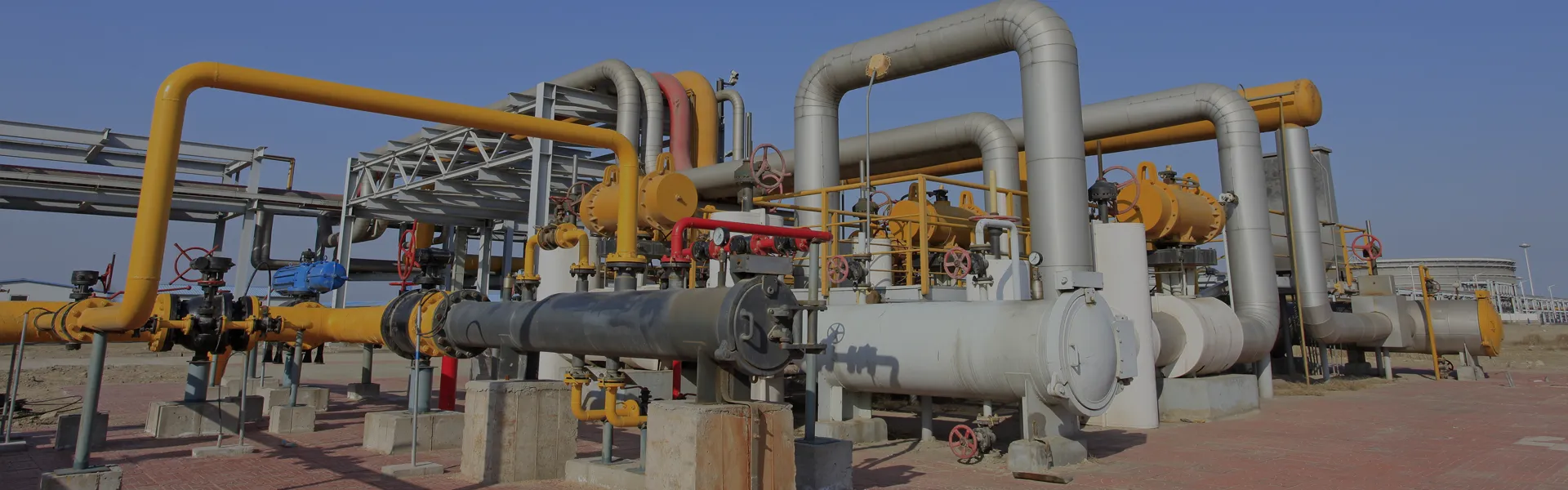
Carbon steel plate type flanges play a critical role in industrial piping systems across oil & gas, petrochemical, water treatment, and power generation industries. Known for their structural stability, cost efficiency, and compatibility with international standards, these flanges provide reliable pipeline connections for low to medium pressure environments.
In this comprehensive guide, we will explore material composition, manufacturing processes, performance characteristics, standards compliance, application scenarios, and selection criteria. We will also compare carbon steel plate type flanges with forged flanges and provide expert purchasing insights from Longan, a trusted manufacturer in the flange industry.
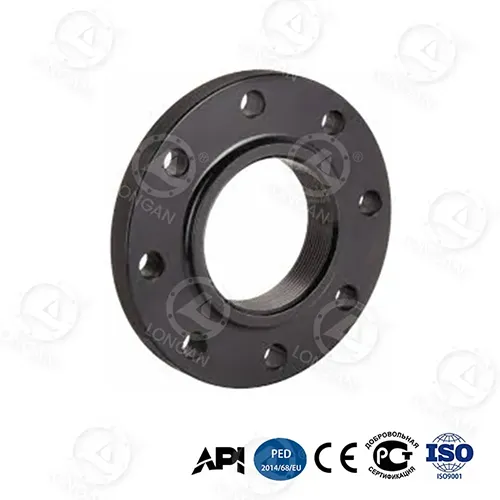
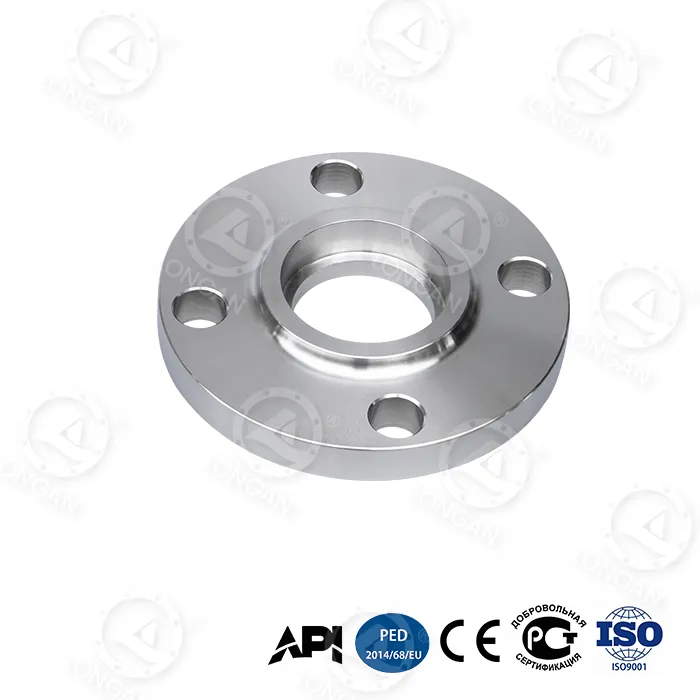
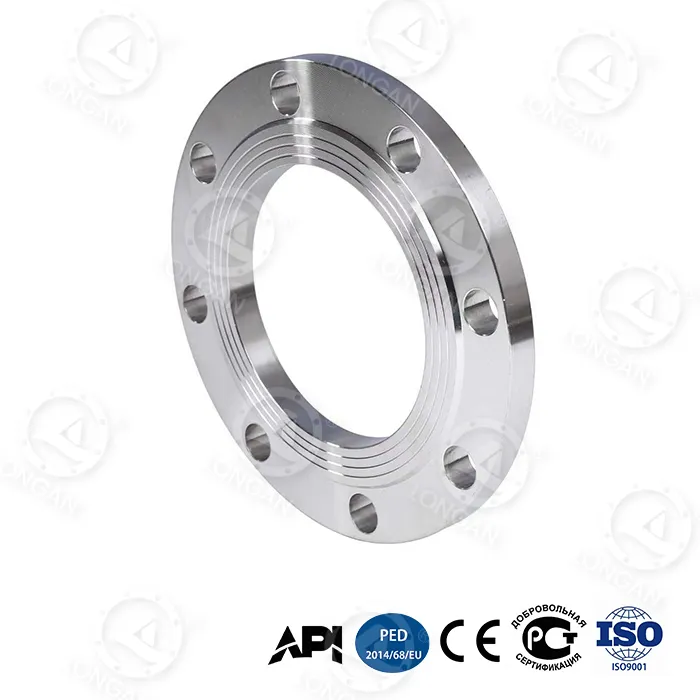
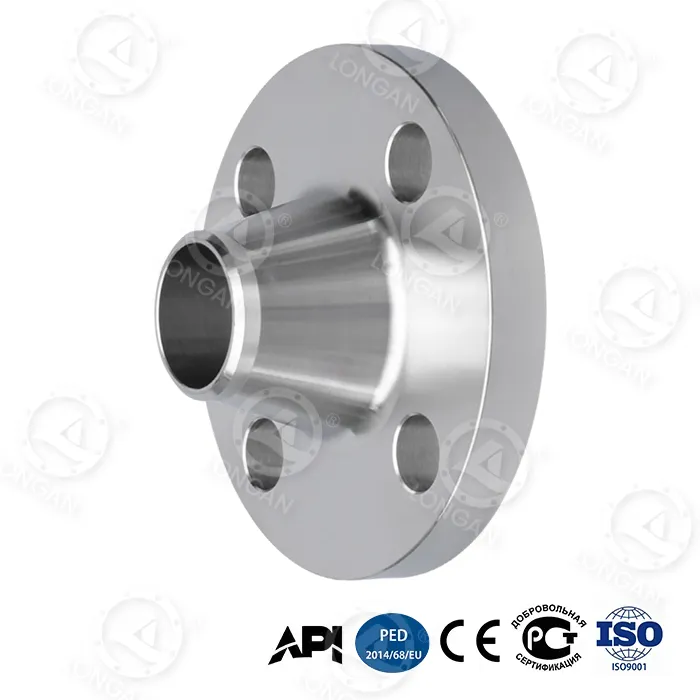
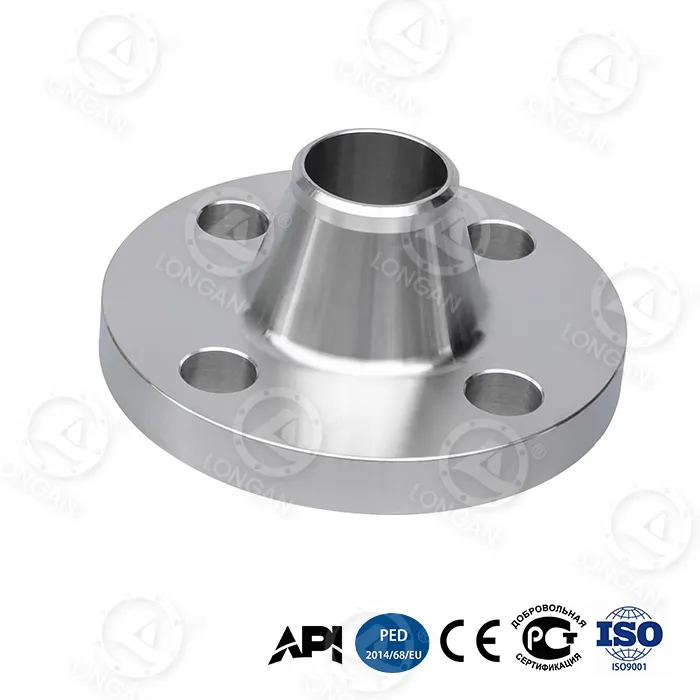
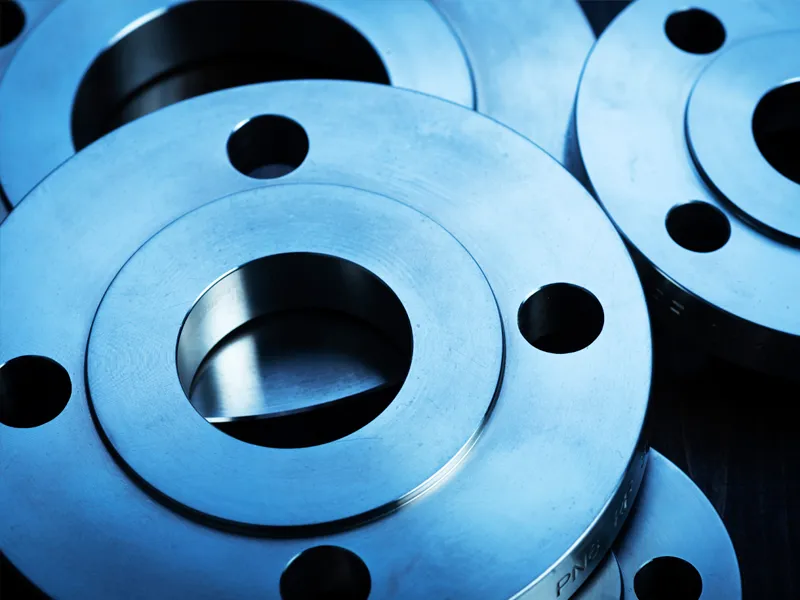
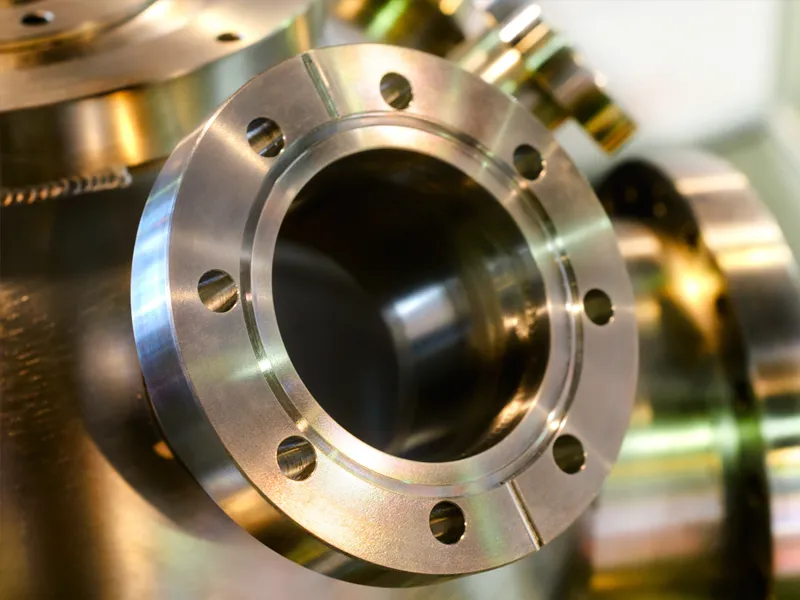
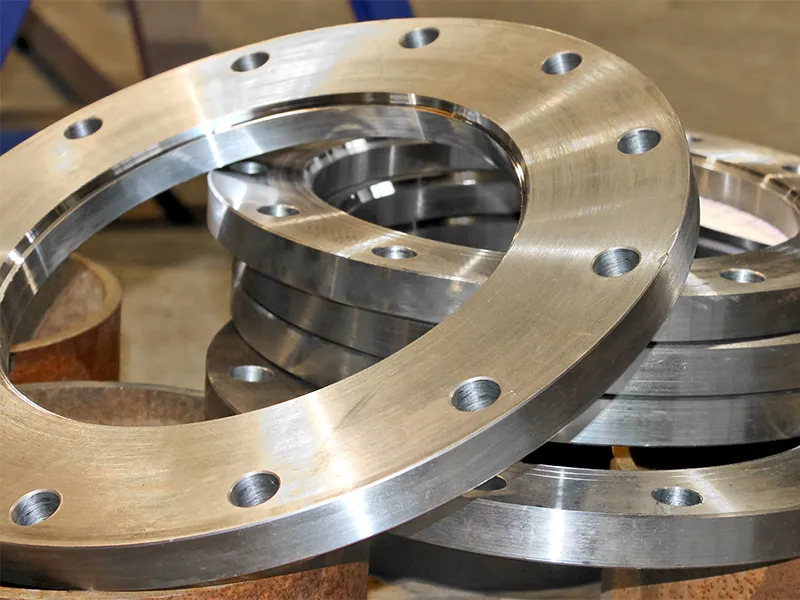
A Carbon Steel Plate Type Flange is a flat flange manufactured by cutting and machining from carbon steel plates rather than forging billets. It is commonly used in pipeline systems to connect pipes, valves, pumps, and other equipment securely.
Unlike forged flanges, plate type flanges are produced directly from rolled steel plates. They are especially suitable for low to medium pressure systems where cost efficiency and structural reliability are priorities.
Carbon steel provides excellent strength, moderate corrosion resistance (when properly coated), and superior weldability, making it one of the most widely used materials in piping systems.
2. Material Composition and Mechanical Properties
Common Carbon Steel Grades
ASTM A36
ASTM A105 (for comparison)
Q235
Q345
Mechanical Properties Overview
Property
Typical Range
Tensile Strength
400–550 MPa
Yield Strength
235–345 MPa
Elongation
20%–26%
Hardness
120–180 HB
The chemical composition primarily includes iron and carbon (0.05%–0.30%), with trace amounts of manganese, silicon, sulfur, and phosphorus. The balance between strength and ductility makes carbon steel plate flanges ideal for structural pipeline systems.
3. Manufacturing Process Explained
The production of carbon steel plate type flanges typically involves the following steps:
Steel Plate Selection – Certified carbon steel plates are chosen based on grade requirements.
Cutting – CNC plasma or laser cutting is used to create the outer diameter.
Machining – Precision machining ensures accurate bore and bolt holes.
Surface Finishing – Includes anti-rust oil, black painting, or galvanizing.
Inspection & Testing – Dimensional checks and mechanical testing are performed.
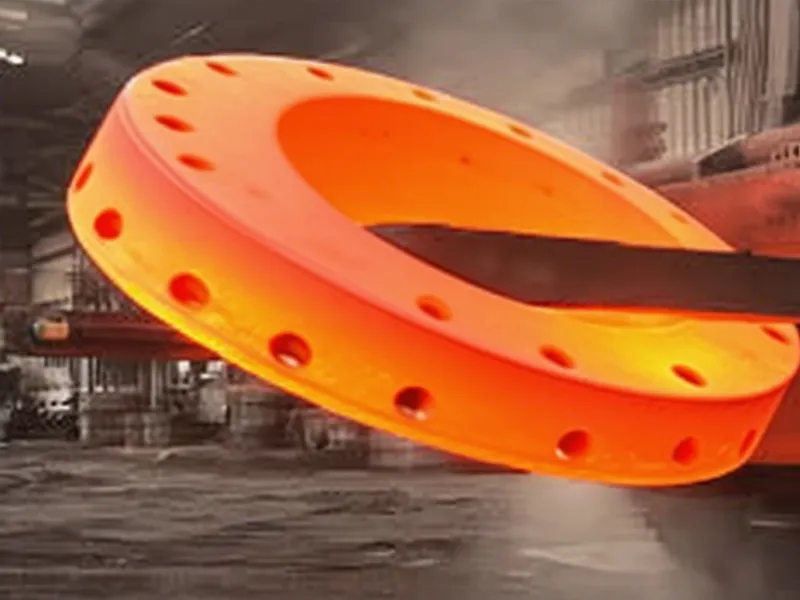
Compared with forging, plate cutting offers cost advantages and shorter production cycles while maintaining acceptable mechanical strength for standard applications.
4. International Standards and Specifications
Carbon steel plate type flanges comply with major international standards:
ASME B16.5
ASME B16.47
DIN 2576
EN 1092-1
JIS B2220
Each standard defines pressure classes, dimensions, tolerances, and testing requirements. Choosing flanges manufactured according to these standards ensures global compatibility and safe operation.
5. Industrial Applications
Carbon steel plate type flanges are widely used in:
Water supply and drainage systems
Oil and gas transmission
Petrochemical plants
Power generation facilities
HVAC piping systems
Their flat face or raised face designs allow effective sealing with gaskets, ensuring leak-proof connections in static piping systems.
6. Carbon Steel Plate Flange vs Forged Flange
Feature
Plate Flange
Forged Flange
Manufacturing Method
Cut from steel plate
Hot forged billet
Cost
Lower
Higher
Strength
Medium
High
Pressure Rating
Low to Medium
Medium to High
Lead Time
Shorter
Longer
For high-pressure or high-temperature systems, forged flanges may be preferred. However, for cost-sensitive projects with moderate pressure requirements, plate flanges provide excellent value.
7. How to Select the Right Carbon Steel Plate Type Flange
Consider the following factors:
Pipeline pressure class
Operating temperature
Corrosion environment
Applicable international standards
Surface protection requirements
Working with experienced manufacturers such as Longan ensures accurate customization, material certification, and strict quality inspection.
8. Key Advantages of Carbon Steel Plate Type Flanges
Cost-effective solution
Excellent weldability
Wide size availability
Fast production cycle
International standard compliance
These advantages make carbon steel plate type flanges a preferred option in infrastructure and industrial construction projects worldwide.
9. Frequently Asked Questions (FAQ)
Q1: Are carbon steel plate type flanges suitable for high-pressure systems?
They are generally recommended for low to medium pressure systems. For high-pressure applications, forged flanges may be more appropriate.
Q2: Can carbon steel plate flanges resist corrosion?
Carbon steel is not inherently corrosion-resistant, but coatings such as galvanizing or epoxy painting significantly enhance durability.
Q3: What sizes are available?
Sizes typically range from DN15 to DN2000, depending on standard and project requirements.
Q4: How do I ensure quality compliance?
Request material test certificates (MTC), dimensional inspection reports, and ensure compliance with ASME or EN standards.
Conclusion
Carbon steel plate type flanges offer a practical, cost-effective, and reliable solution for a wide range of industrial piping systems. Their manufacturing efficiency, global standard compatibility, and mechanical stability make them indispensable in modern infrastructure projects.
If you are looking for high-quality carbon steel plate type flanges manufactured to international standards, Longan provides professional production capabilities, strict quality control, and customized solutions tailored to your project needs.
For detailed specifications, technical consultation, or a competitive quotation, contact us today and let our experts support your next industrial project.
We use cookies to offer you a better browsing experience, analyze site traffic and personalize content. By using this site, you agree to our use of cookies.
Privacy Policy