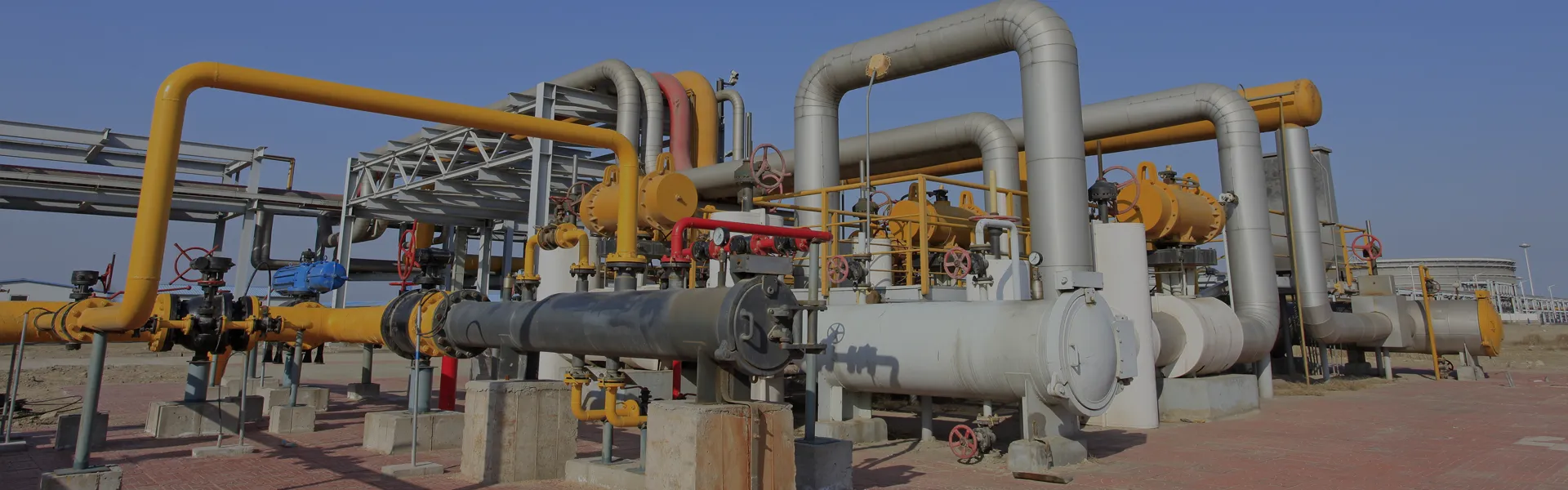
The Importance of Flange Selection in Heavy-Duty Industries
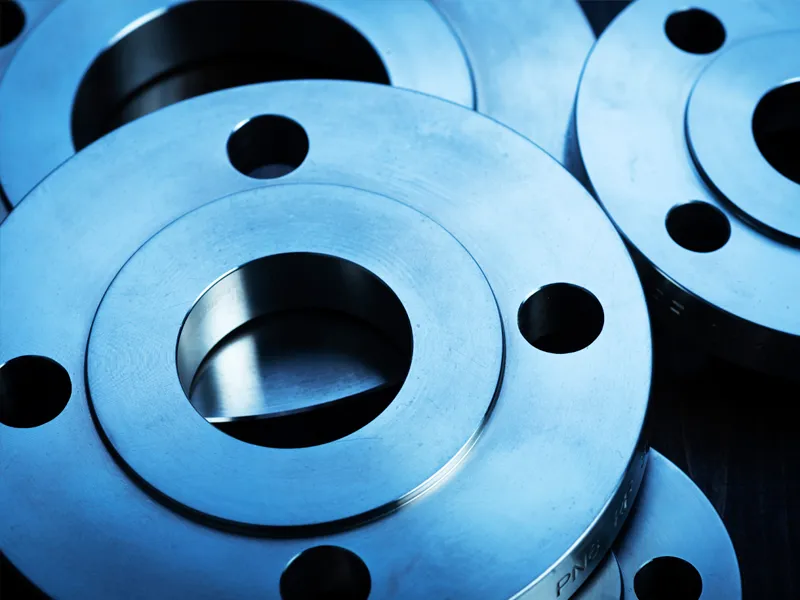
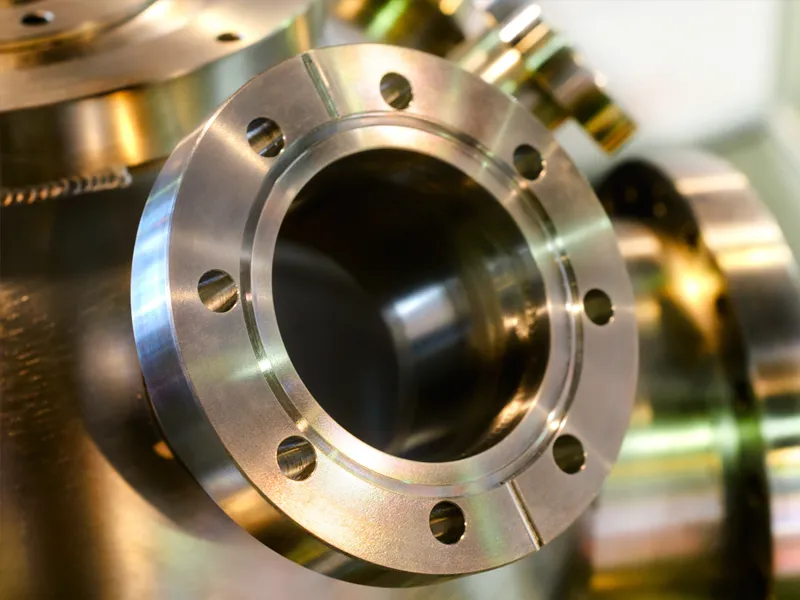
Flanges play a critical role in the assembly of pipelines, tanks, and various industrial systems. They are designed to connect two components, whether pipes or valves, ensuring a secure and leak-proof seal. In industries such as oil & gas, petrochemical, power generation, and large-scale infrastructure projects, the choice of flange type can determine the overall safety, durability, and performance of the system.
When selecting flanges, understanding the key differences between threaded and non-threaded flanges is essential. Both have specific advantages and disadvantages, depending on the application. Let's dive into this ultimate comparison.
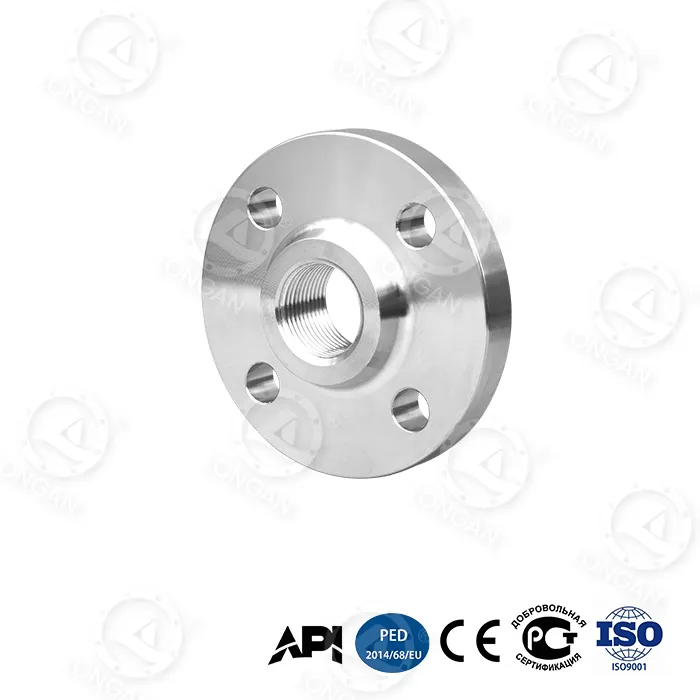
Threaded Flanges: Advantages and Applications
Threaded flanges, also known as screwed flanges, are designed with internal threads that allow for easy attachment to pipes without welding. This feature makes them highly convenient for systems where welding is not practical or desirable. Here are some of the key benefits:
- Ease of Installation: Threaded flanges are easier to install compared to non-threaded alternatives. They do not require welding, which saves time and reduces labor costs.
- Leak-Proof Seal: When properly installed, threaded flanges offer a secure, leak-proof connection that is essential for preventing hazardous leaks in critical systems.
- Reusability: Since the threaded connection is mechanical, these flanges can be easily disassembled and reused, which is an advantage in systems requiring maintenance or upgrades.
- Cost-Effective: With less complex installation requirements and no need for welding, threaded flanges can be a more cost-effective option in some cases.
However, it’s important to note that threaded flanges are typically limited to smaller sizes (usually up to 4 inches), and may not be suitable for high-pressure or high-temperature applications where the strength of the weld is required.
Non-Threaded Flanges: Superior Strength for Heavy-Duty Applications
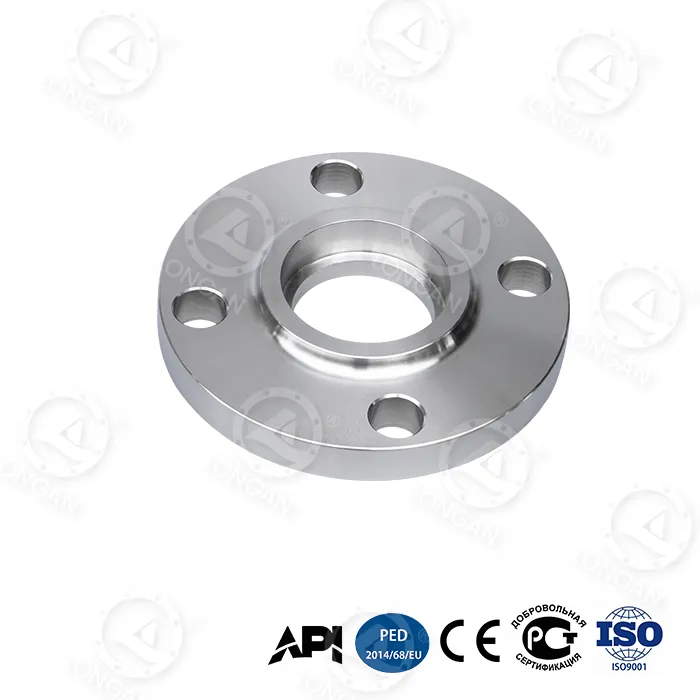
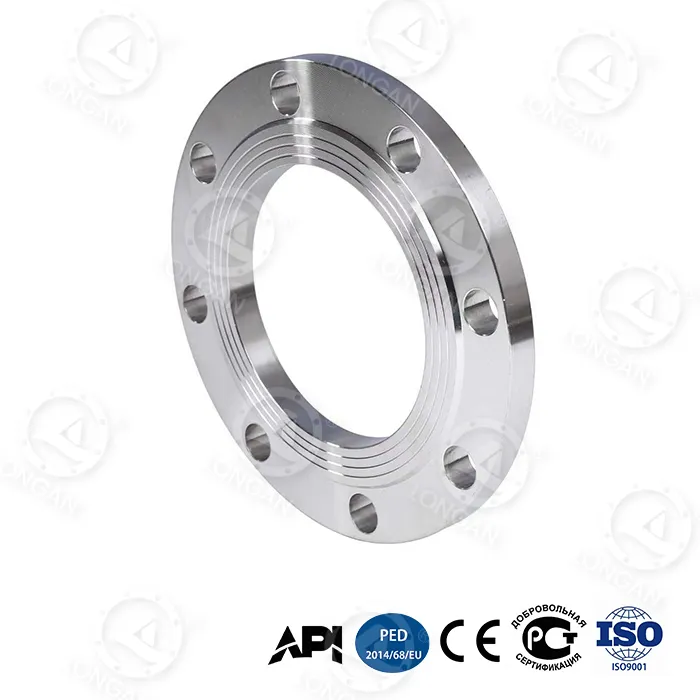
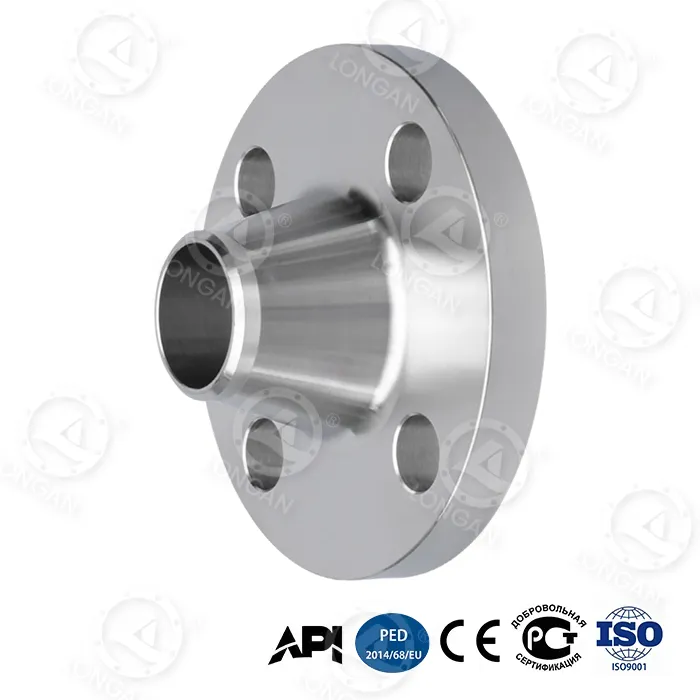
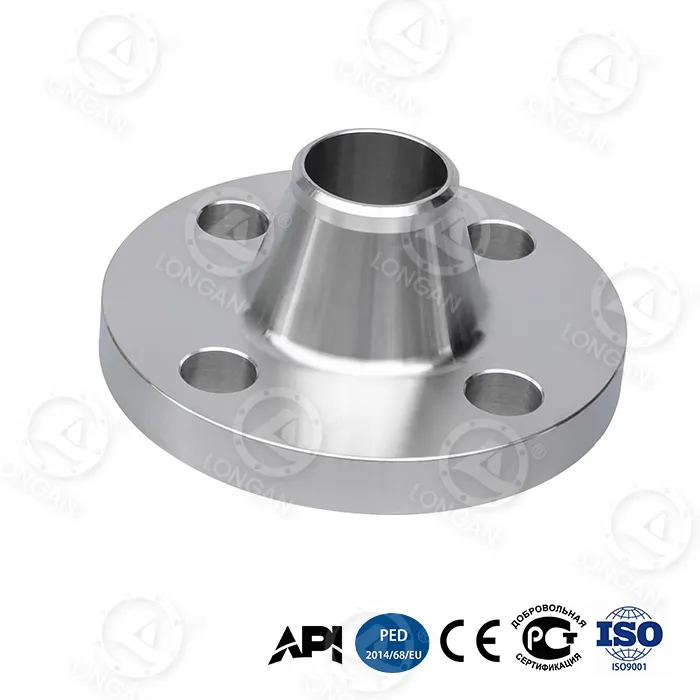
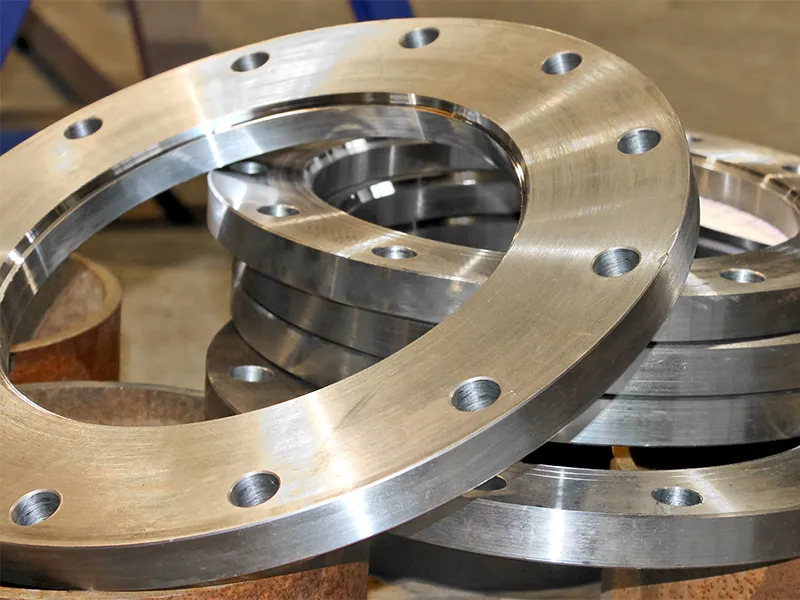
Non-threaded flanges, including weld-neck, slip-on, and blind types, are often used in heavy-duty applications where high pressure and temperature conditions are common. These flanges are welded to the pipe, creating a much stronger, more permanent connection. Here are the advantages of non-threaded flanges:
- Higher Strength and Durability: Non-threaded flanges are welded, providing superior strength that can withstand high pressure and extreme temperatures.
- Wide Range of Sizes: These flanges can be manufactured in much larger sizes compared to threaded ones, making them suitable for high-demand, large-scale projects.
- Better for Heavy-Duty Applications: Non-threaded flanges are the preferred choice in industries like oil and gas, where pipelines need to withstand the rigors of constant pressure and corrosive materials.
While they are more reliable for high-demand applications, non-threaded flanges require skilled labor for welding and installation, which can increase both time and cost.
Key Differences Between Threaded and Non-Threaded Flanges
To make the decision easier for manufacturers and project managers, we’ve summarized the key differences between threaded and non-threaded flanges in the following table:
| Feature | Threaded Flanges | Non-Threaded Flanges |
|---|---|---|
| Installation Method | Threaded (No welding required) | Welded (Requires welding) |
| Strength | Moderate | High (Best for high pressure & temperature) |
| Size Range | Small to medium (up to 4 inches) | Medium to large (up to 4 meters) |
| Reusability | Reusable | Not reusable (requires new weld) |
| Ideal Applications | Low-pressure systems, easy assembly projects | High-pressure systems, heavy-duty industries |
Why Longan’s Flanges Stand Out in the Industry
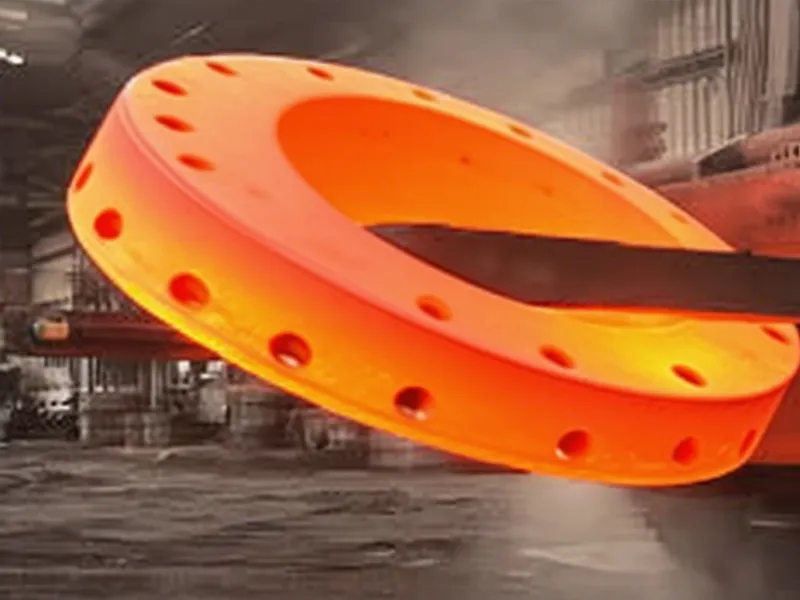
At Longan, we specialize in providing flanges up to 4 meters in diameter, with a focus on precision, durability, and meeting international standards. Our threaded and non-threaded flanges are made using state-of-the-art manufacturing processes, ensuring they meet the rigorous demands of industries such as oil and gas, petrochemicals, and large infrastructure projects.
Our advanced ERP system ensures that every flange produced undergoes strict quality control at each stage—from raw material entry to finished product dispatch. This paperless production approach guarantees dimensional precision and structural integrity, making Longan’s flanges a reliable choice for your next project.
Whether you need a threaded flange for smaller, low-pressure applications or a robust non-threaded flange for heavy-duty systems, Longan delivers superior products that reduce maintenance costs and improve system efficiency.
Conclusion
The decision to choose between a threaded and non-threaded flange depends largely on the specific requirements of your application. Threaded flanges are ideal for quick, cost-effective installations in smaller systems, while non-threaded flanges offer unmatched strength for high-pressure, high-temperature environments. By partnering with Longan, you can rest assured that every flange we produce meets the highest standards of quality, safety, and performance.
Need more information or assistance selecting the right flange for your project? Contact Longan’s expert team today and let us guide you to the best solution.