What Is a Socket Flange and Why Is It Widely Used in High-Pressure Piping Systems
2025-12-31 16:15:58
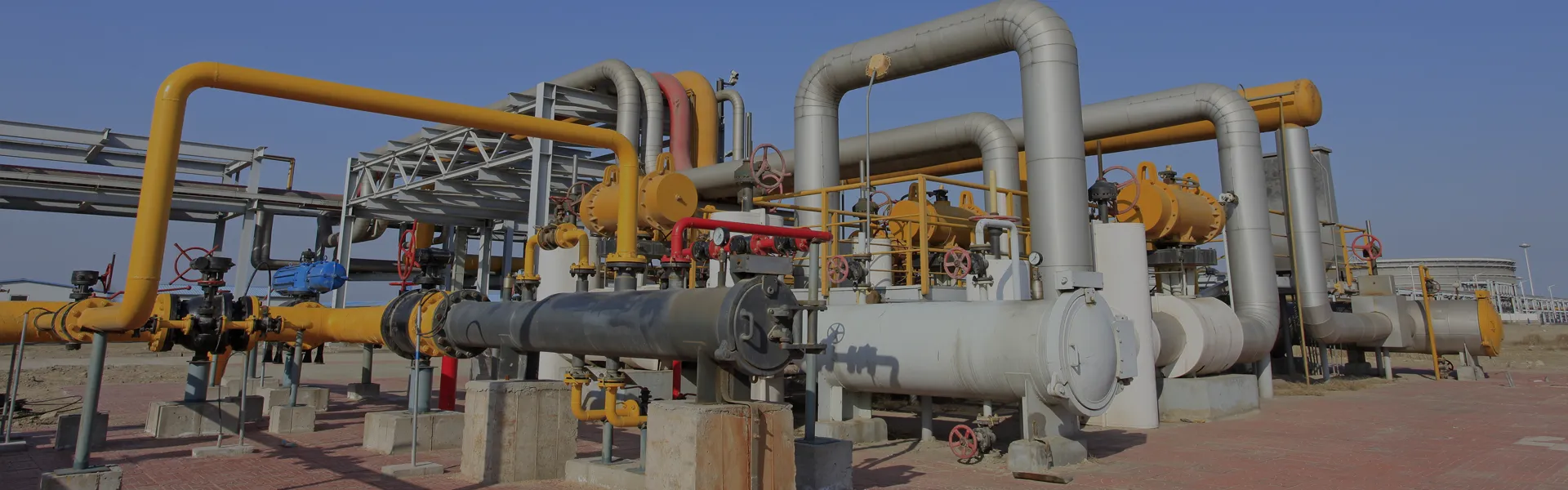
A socket flange is a critical piping component designed for small-diameter, high-pressure, and high-temperature systems.
In this in-depth guide, we explain what a socket flange is, how it works, its structural advantages, dimensional standards,
material options, and why it remains a preferred solution in safety-critical industries such as oil & gas, chemical processing,
and power generation. Drawing from real engineering practices and manufacturing expertise from Longan, this article helps
engineers, buyers, and project managers make informed decisions with confidence.
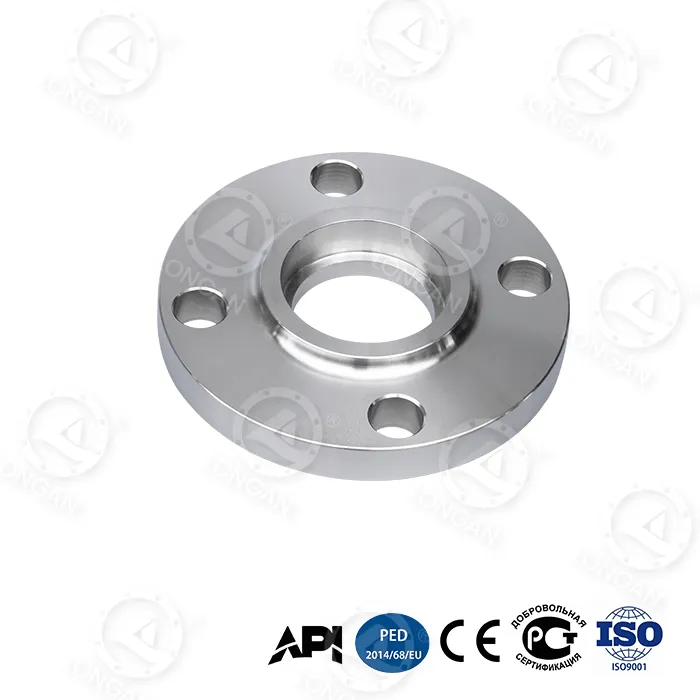
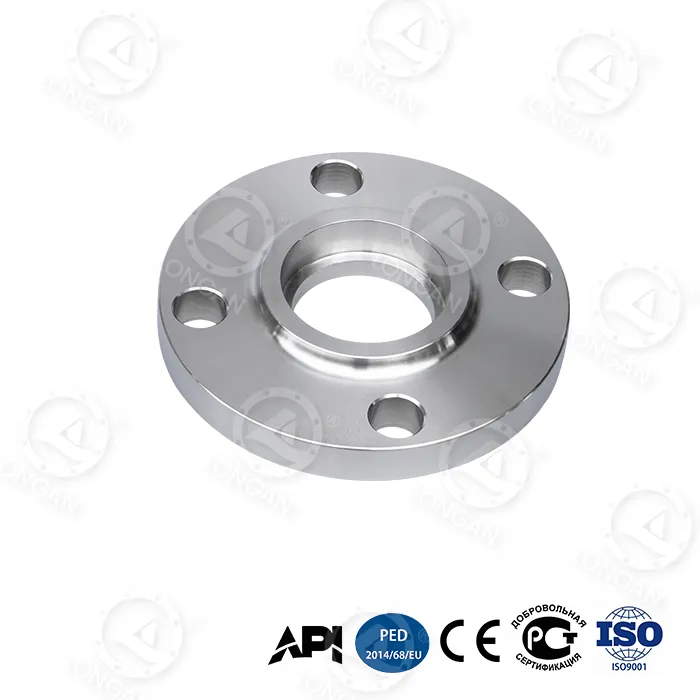
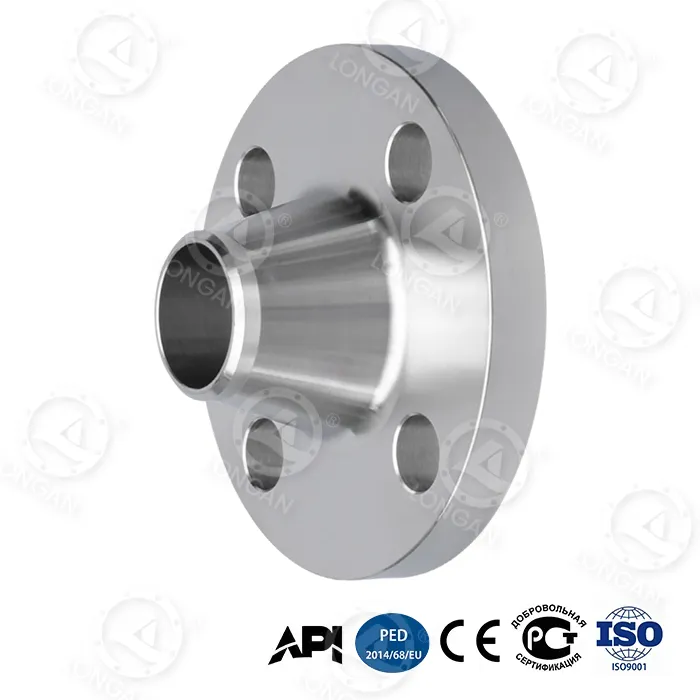
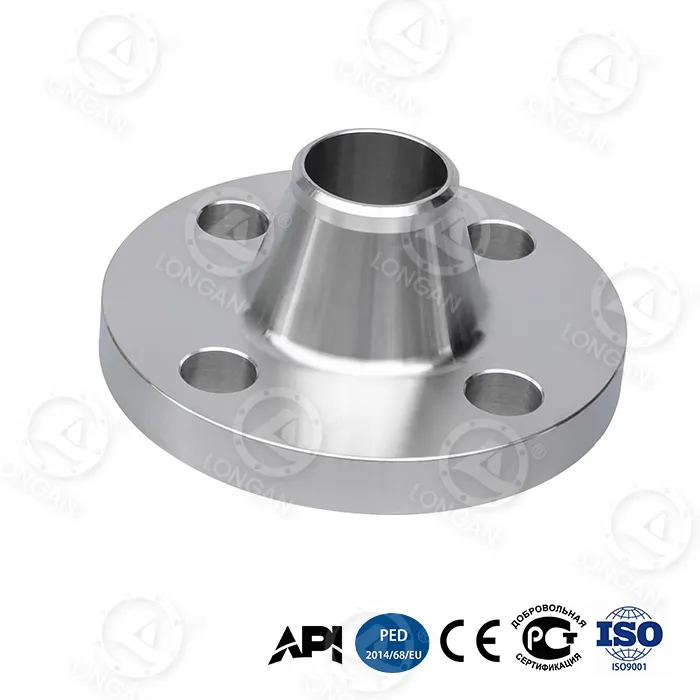
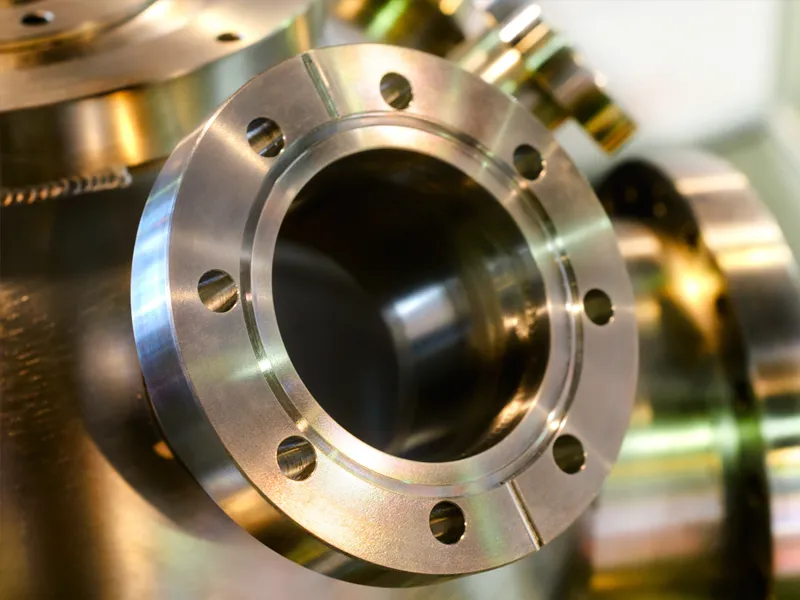
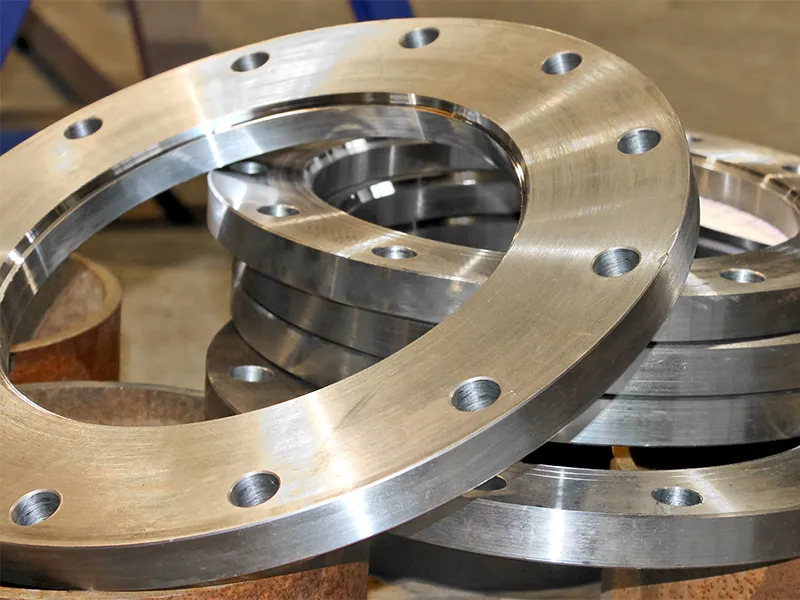
A socket flange, also known as a socket weld flange, is a type of pipe flange designed with a recessed socket
that allows the pipe to be inserted before fillet welding is applied around the outer edge. Unlike slip-on flanges, the pipe
does not pass through the flange bore; instead, it stops inside the socket, creating a compact and secure joint.
Socket flanges are primarily used for small nominal pipe sizes, typically NPS ½″ to 3″, where high pressure,
high temperature, and space limitations demand superior joint integrity.
You can explore detailed product specifications directly from Longan’s socket flange manufacturing page,
which outlines material options, pressure classes, and machining precision.
2. Socket Flange Structure and Design Principle
Recessed Socket: Ensures accurate pipe positioning
Raised Face or Flat Face: Provides reliable gasket sealing
Outer Fillet Weld: Reinforces pressure resistance
Compact Geometry: Ideal for tight piping layouts
The design principle behind a socket flange is simple yet effective: by limiting pipe movement and concentrating weld stress
on the outside, it minimizes the risk of internal weld defects.
3. How Does a Socket Flange Work?
The pipe is inserted into the socket until it reaches the shoulder, then pulled back slightly (typically 1.6 mm) to allow
for thermal expansion. A fillet weld is applied externally, securing the pipe firmly to the flange body.
This design eliminates the need for full penetration butt welds, reducing welding time while maintaining mechanical strength.
4. Why Are Socket Flanges Used in High-Pressure Piping?
Socket flanges are widely adopted in high-pressure systems due to the following advantages:
Excellent pressure containment
Reduced leak paths
Superior fatigue resistance
Compact footprint for dense piping systems
Industries that rely heavily on socket flanges include:
Oil & Gas refineries
Petrochemical plants
Thermal and nuclear power stations
Pharmaceutical processing
5. Common Materials for Socket Flanges
Material
Standard
Typical Application
Carbon Steel
ASTM A105
General high-pressure pipelines
Stainless Steel
ASTM A182 F304/F316
Corrosive and hygienic systems
Alloy Steel
ASTM A182 F11/F22
High-temperature services
Longan offers full material traceability and PMI testing to ensure every socket flange meets project specifications.
6. Dimensions, Ratings, and International Standards
Socket flanges are manufactured according to major global standards:
ASME B16.5
EN 1092-1
BS 4504
JIS B2220
Pressure classes typically range from Class 150 to Class 2500, making socket flanges suitable for extreme operating conditions.
7. Socket Flange vs Other Flange Types
Flange Type
Strength
Typical Size Range
Use Case
Socket Flange
High
Small diameter
High pressure & compact systems
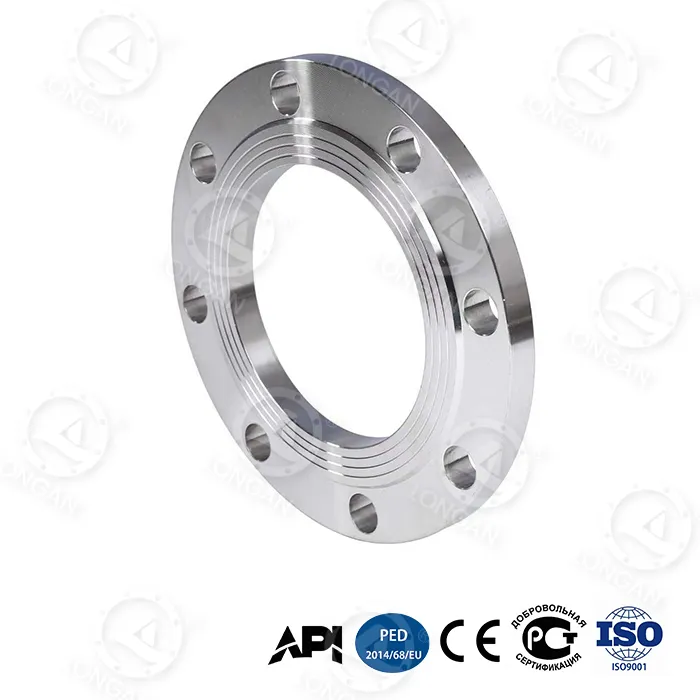
Slip On Flange
Medium
Wide
Low to medium pressure
Weld Neck Flange
Very High
All sizes
Critical stress systems
8. Installation Best Practices and Welding Notes
Maintain proper pipe insertion gap
Use qualified welders only
Avoid internal weld penetration
Conduct NDT inspection when required
9. Quality Control and Manufacturing Insights from Longan
At Longan, socket flanges are produced using CNC machining, strict dimensional inspection, and full compliance with
international standards. Each batch undergoes visual inspection, mechanical testing, and surface treatment verification.
This manufacturing discipline ensures that every socket flange delivered performs reliably in demanding environments.
10. Frequently Asked Questions
Q1: Are socket flanges suitable for cyclic loads?
Yes, when properly welded and installed, socket flanges perform well under cyclic pressure conditions.
Q2: Why are socket flanges limited to small diameters?
Larger diameters increase stress concentration and welding difficulty, making other flange types more practical.
Q3: Can socket flanges be used in corrosive environments?
Absolutely. Stainless steel and alloy options provide excellent corrosion resistance.
Choosing the right socket flange is not just about specifications—it’s about long-term system safety, performance, and cost efficiency.
With proven manufacturing experience and global project support, Longan is ready to help you select the most reliable solution for your application.
If you are planning a new project or need technical support, contact us today to discuss your socket flange requirements with our engineering team.
We use cookies to offer you a better browsing experience, analyze site traffic and personalize content. By using this site, you agree to our use of cookies.
Privacy Policy