What Is a Steel High Pressure Flange and Why Is It Critical for Modern Industrial Systems
2025-12-29 09:13:58
A Steel High Pressure Flange plays a decisive role in ensuring safety, reliability, and performance in piping systems operating under extreme pressure and temperature. From oil and gas pipelines to petrochemical plants and power generation facilities, the correct flange selection can determine the long-term stability of an entire system. This in-depth guide explains what a Steel High Pressure Flange is, how it works, relevant standards, materials, applications, selection criteria, and common mistakes buyers should avoid.
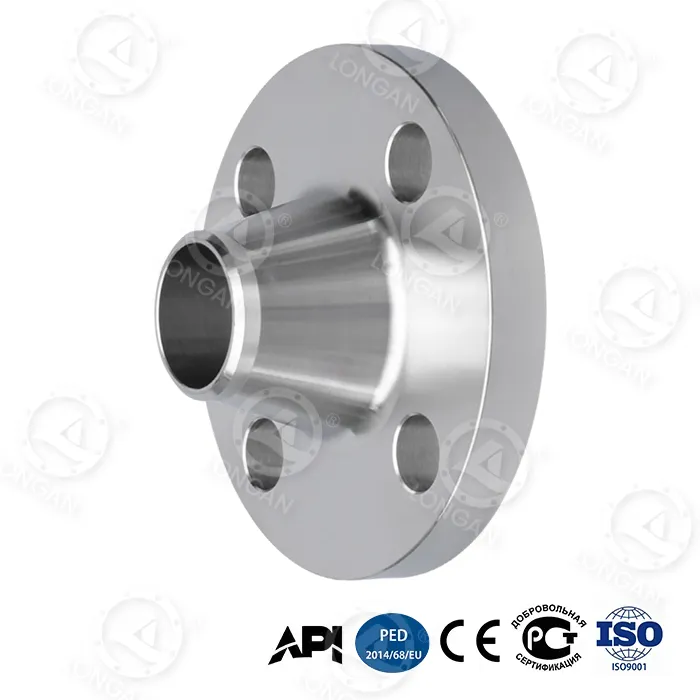
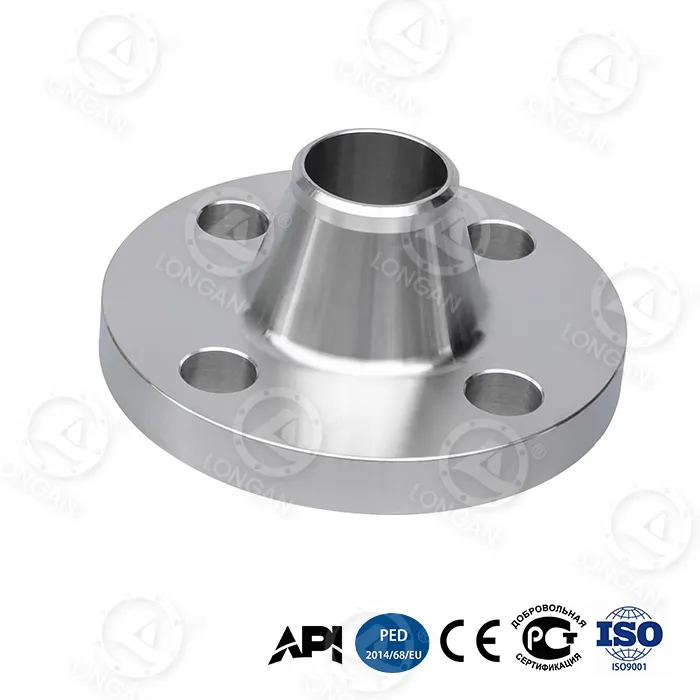
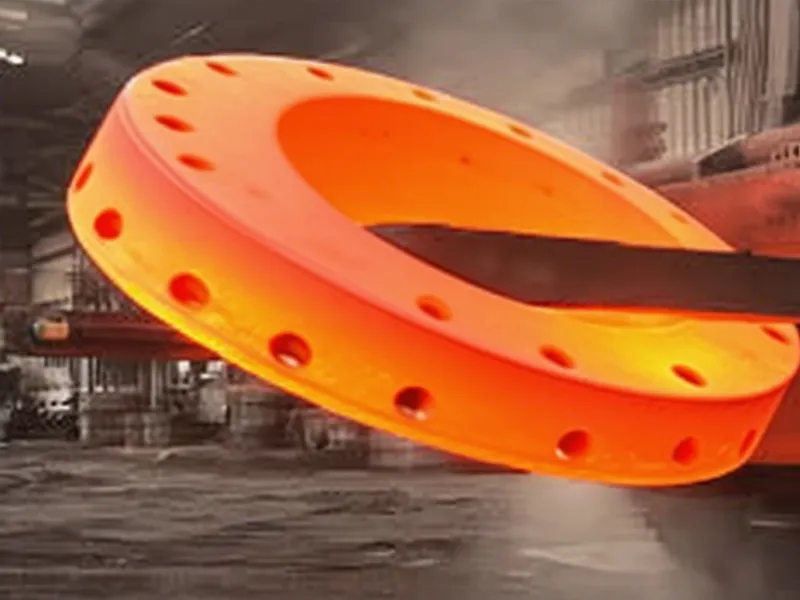
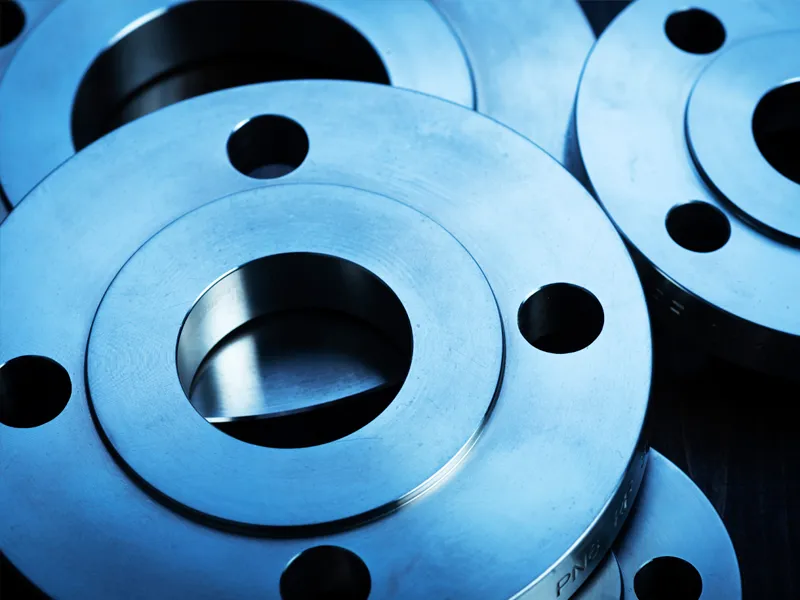
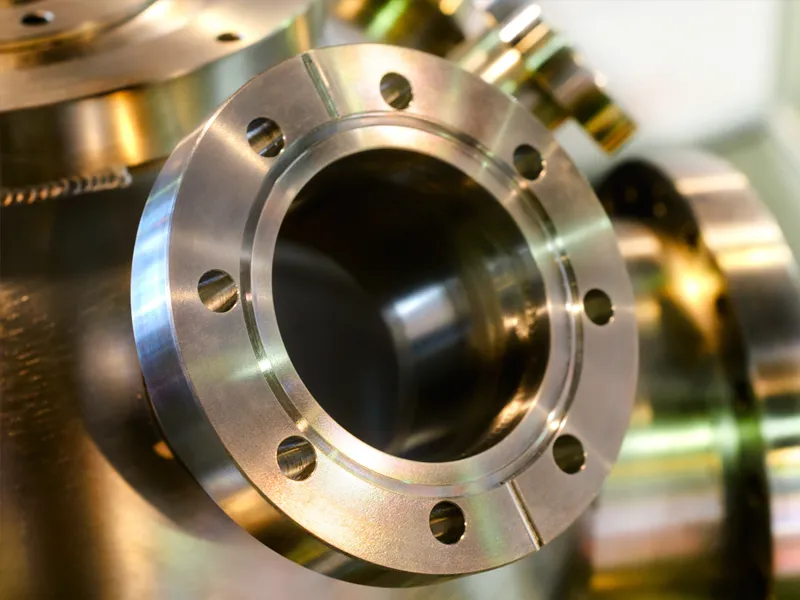
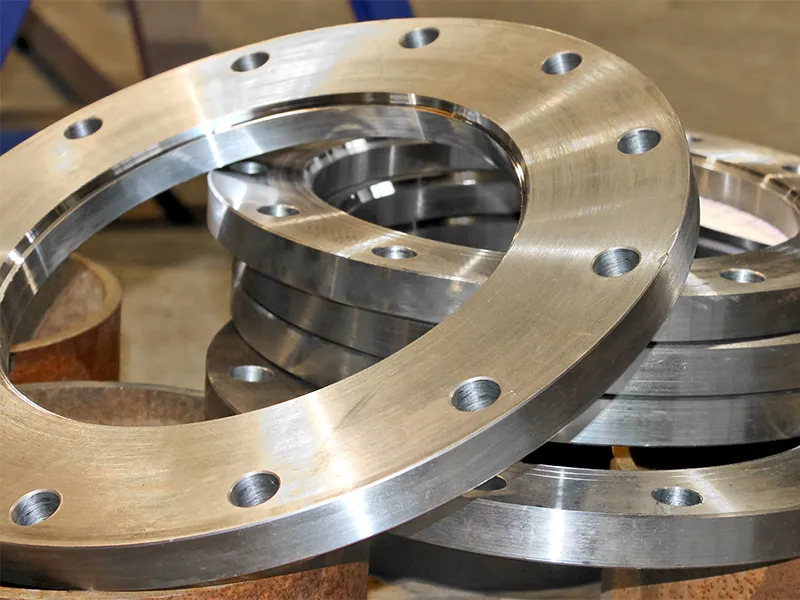
A Steel High Pressure Flange is a forged or machined steel component designed to connect pipes, valves, pumps, or other equipment in systems that operate under exceptionally high internal pressure. Unlike ordinary flanges, these are engineered to withstand extreme mechanical stress, temperature fluctuations, and corrosive media.
Steel High Pressure Flanges are commonly rated above Class 900 and can reach pressure classes such as 1500, 2500, or even higher depending on standards like ASME B16.5 or ASME B16.47. Their reliability depends heavily on material integrity, precise machining, and compliance with international specifications.
2. How Does a Steel High Pressure Flange Work?
The working principle of a Steel High Pressure Flange is based on controlled compression and load distribution. When two flanges are bolted together with a gasket in between, the applied bolt torque generates sufficient sealing stress to prevent leakage.
High-strength bolts apply uniform pressure
Metal or composite gaskets maintain sealing integrity
Flange faces ensure proper alignment
Steel structure resists deformation under pressure
In high-pressure systems, even minor deviations in flatness or material quality can result in failure. This is why manufacturers like Longan emphasize strict quality control and advanced forging processes.
3. Standards and Pressure Ratings
International standards define the dimensions, pressure classes, materials, and testing requirements for Steel High Pressure Flanges. Compliance with these standards is essential for system compatibility and safety.
Standard
Description
Common Pressure Classes
ASME B16.5
Pipe flanges and flanged fittings
150–2500
ASME B16.47
Large diameter steel flanges
300–900
EN 1092-1
European flange standard
PN16–PN400
API 6A
Oil & gas wellhead equipment
Up to 20,000 psi
4. Common Materials Used in Steel High Pressure Flanges
Material selection directly affects pressure resistance, corrosion performance, and service life. A Steel High Pressure Flange is typically manufactured from:
Carbon Steel (A105, A350 LF2)
Alloy Steel (F11, F22, F91)
Stainless Steel (F304, F316, F321)
Duplex and Super Duplex Steel
Each material offers a balance between strength, toughness, and corrosion resistance. For aggressive environments, alloy and stainless steels are often preferred.
5. Types of Steel High Pressure Flanges
Different flange types are designed to suit various installation and pressure requirements.
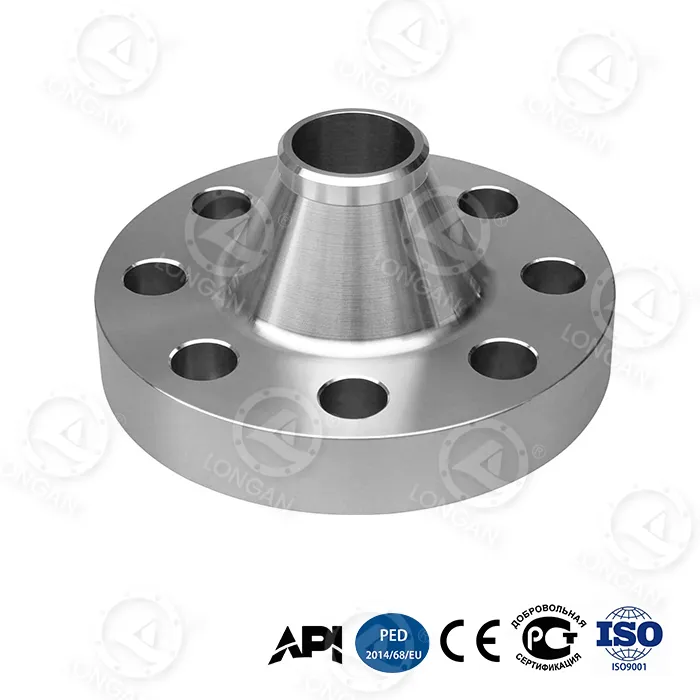
Weld Neck Flange – Best for high pressure and fatigue resistance
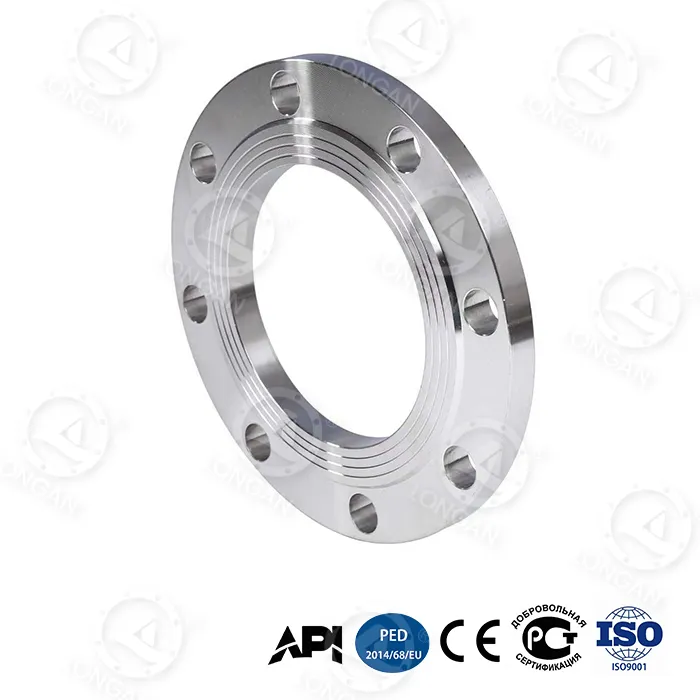
Blind Flange – Used to terminate pipelines
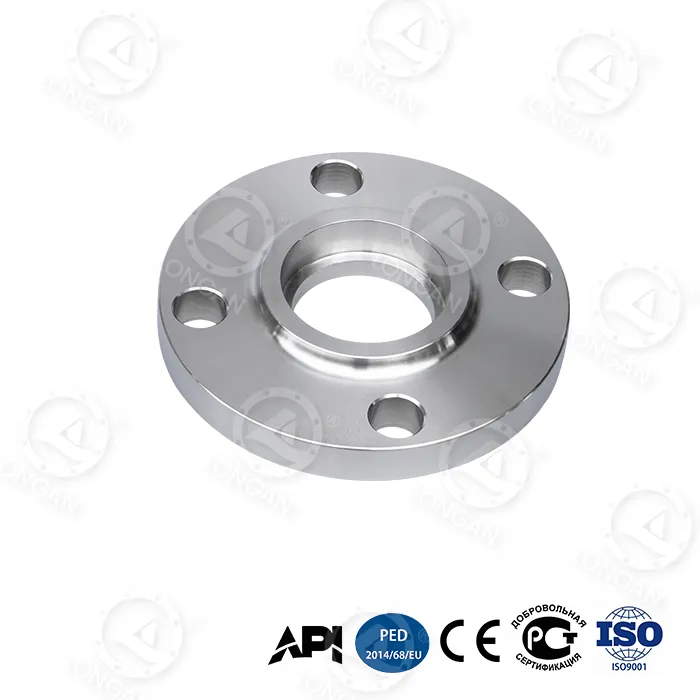
Socket Weld Flange – Suitable for small bore high-pressure lines
Threaded Flange – Used where welding is not feasible
Among these, weld neck Steel High Pressure Flanges are the most widely used due to their superior stress distribution.
6. Industrial Applications
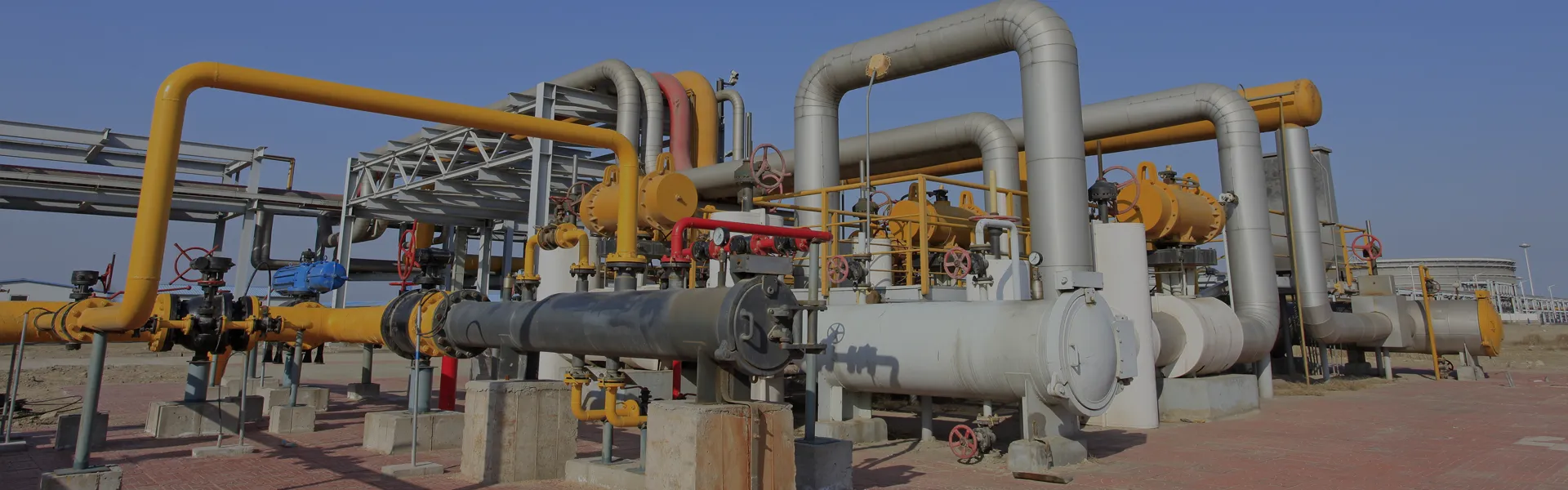
A Steel High Pressure Flange is indispensable in industries where safety and reliability are non-negotiable:
Oil and gas transmission pipelines
Petrochemical and chemical processing plants
Power generation and boilers
Offshore platforms
High-pressure hydraulic systems
In these sectors, failure is not an option, which is why engineers rely on certified manufacturers such as Longan.
7. How to Choose the Right Steel High Pressure Flange
Choosing the right Steel High Pressure Flange requires a systematic approach:
Confirm operating pressure and temperature
Select appropriate material grade
Match flange type with application
Ensure compliance with international standards
Verify manufacturer certifications
You can also refer to detailed product specifications from this Steel High Pressure Flange resource to better understand technical parameters.
8. Common Mistakes to Avoid
Ignoring actual operating conditions
Using incompatible gasket materials
Improper bolt tightening sequence
Choosing non-certified suppliers
Avoiding these mistakes significantly improves system safety and longevity.
9. High Pressure vs Standard Flanges
Feature
Steel High Pressure Flange
Standard Flange
Pressure Rating
Class 900+
Class 150–600
Material Strength
High / Alloy Steel
Standard Carbon Steel
Applications
Critical systems
General pipelines
10. Frequently Asked Questions
Q1: What pressure can a Steel High Pressure Flange handle?
Depending on design and material, it can handle pressures from Class 900 up to 2500 or higher.
Q2: Are Steel High Pressure Flanges customizable?
Yes. Reputable manufacturers like Longan can provide customized dimensions, materials, and testing.
Q3: How important is certification?
Certification ensures compliance with standards and guarantees safety and performance.
Final Thoughts
A Steel High Pressure Flange is far more than a simple connector—it is a critical safety component that protects entire systems from failure. Understanding standards, materials, applications, and selection principles empowers engineers and procurement professionals to make informed decisions.
If you are looking for reliable, certified, and application-specific Steel High Pressure Flange solutions, partnering with an experienced manufacturer like Longan can make all the difference. For technical support, quotations, or custom solutions, feel free to contact us today and let our experts support your next high-pressure project.
We use cookies to offer you a better browsing experience, analyze site traffic and personalize content. By using this site, you agree to our use of cookies.
Privacy Policy